
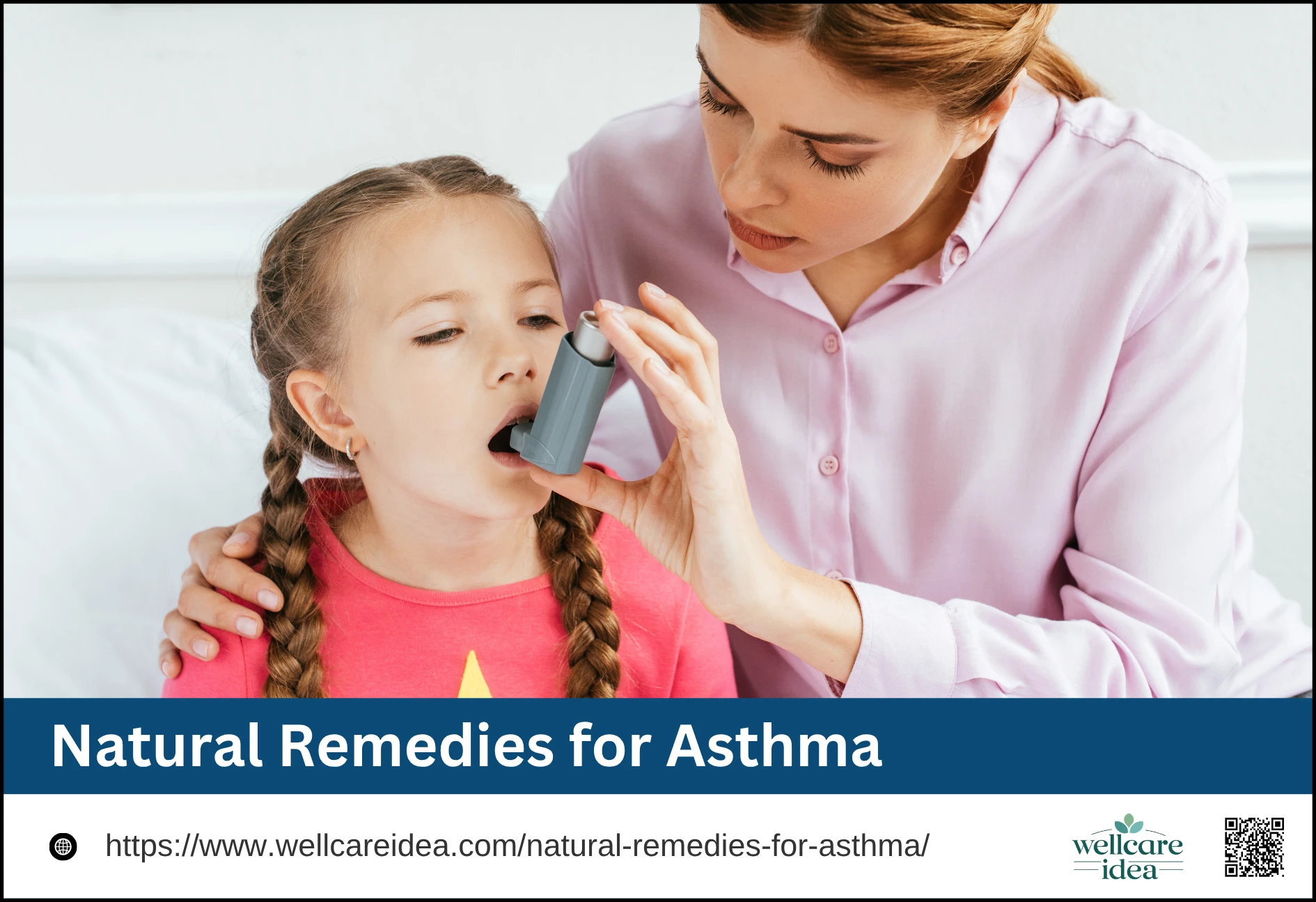
The physiological complexity of asthma represents one of the most persistent challenges in modern respiratory medicine, characterized by a chronic inflammatory state that affects the conducting airways of the lungs 1. This non-communicable disease (NCD) is defined by a triad of bronchial hyper-responsiveness, reversible airflow obstruction, and significant airway remodeling over time 2. While it is often viewed as a singular condition, contemporary clinical research increasingly identifies it as a collection of distinct endotypes, each driven by unique biological pathways and molecular mechanisms 3. The primary physical manifestation involves the narrowing of small airways, which occurs through the simultaneous processes of smooth muscle contraction (bronchoconstriction), edema of the mucosal lining, and the hypersecretion of thick mucus 4. These structural changes make breathing labor-intensive and lead to the classic symptoms of wheezing, shortness of breath, and chest tightness 1.
The global epidemiological landscape reveals that asthma affected an estimated 262 million people in 2019 and was responsible for approximately 455,000 deaths annually 1. More recent data from the Global Burden of Disease Study 2021 indicates that while the total number of cases reached 260 million, age-standardized prevalence rates have actually decreased by 40% since 1990 9. Despite this statistical decline in standardized rates, the absolute burden continues to rise in many regions, particularly in South Asia and Western Sub-Saharan Africa, where diagnostic tools and essential inhaled medications may be less accessible 5. In high-income nations like the United States, the burden is disproportionately felt by minority populations and those in lower socioeconomic brackets, highlighting the role of environmental justice and social determinants of health 6 , 7. Understanding the interplay between genetic predisposition and environmental triggers is the first step toward effective prevention and the integration of natural supportive remedies 8 , 9.
Comprehensive Facts for Clinical and Patient Management
Analyzing the core attributes of asthma requires a multi-dimensional view that encompasses symptoms, diagnostic criteria, and the various risk factors that predispose an individual to the condition. The following table provides a structured overview of the current clinical understanding of the disease.
Asthma Facts Structural Matrix
| Category | Clinical Details and Evidence-Based Facts |
| Primary Symptoms | – Persistent Coughing: Often worsens at night or early morning 1.
– Wheezing: A high-pitched whistling sound primarily during expiration {https://www.mayoclinic.org/diseases-conditions/asthma-attack/symptoms-causes/syc-20354268 4. – Dyspnea: Significant shortness of breath, even at rest in severe cases 10. – Chest Tightness: A feeling of pressure or pain in the thoracic region 11. |
| Identified Causes | – Genetics: Family history increases risk by 3 to 6 times 8.
– Immune Overactivity: Inflammation caused by hypersensitivity to triggers 4 – Viral Infections: Early life respiratory infections like RSV or HRV 12. – Air Pollution: Exposure to and particulate matter 13. |
| Major Types | – Allergic (Atopic): Triggered by pollen, pets, or dust mites 14.
– Non-Allergic: Triggered by stress, weather, or infections 15 – Occupational: Caused by inhaling fumes or dust at work 15. – Exercise-Induced: Bronchoconstriction following physical exertion 3. – Cough-Variant: Where cough is the sole clinical feature 2. |
| Mode of Spread | – Non-Contagious: The disease itself does not spread from person to person 8.
– Viral Triggers: While asthma isn’t contagious, the viruses that trigger it (like the flu) are communicable 12. |
| Geographic Burden | – Highest Prevalence: South Asia, East Asia, and High-income North America 16 , 5.
– Highest Mortality: Low Socio-demographic Index (SDI) regions 5. |
| High Risk Factors | – Atopy: Having other allergies like eczema or hay fever 1.
– Obesity: High BMI is a primary driver of asthma severity 16. – Smoking: Both active smoking and secondhand exposure 9. – Premature Birth: Linked to lung development issues 8. |
| Diagnostic Tools | – Spirometry: Measures the volume and speed of exhaled air 17.
– Peak Flow: Monitoring airway narrowing at home 4. – FeNO Test: Measuring nitric oxide to detect airway inflammation 17. – Challenge Tests: Exposure to methacholine or cold air 17. |
| Medical Treatment | – Controllers: Inhaled corticosteroids (e.g., fluticasone) and leukotriene modifiers 17.
– Rescuers: Short-acting beta-agonists (SABA) like albuterol 10. – Biologics: For severe cases (e.g., omalizumab) 17. |
| Preventive Methods | – Trigger Avoidance: Identifying and removing allergens 10.
– Action Plan: Using a written medical management guide 4. – Vaccination: Annual flu and pneumonia shots 10. |
| Additional Facts | – Socioeconomic Gap: 1 in 12 people are affected, but Black Americans are 6 times more likely to visit the ER for asthma 6.
– Gender Switch: More common in boys than girls, but more common in adult women than men 6. |
The socioeconomic disparities within asthma statistics are particularly striking when examining hospital discharge rates and emergency department utilization 6. In the United States, systemic inequities often lead to marginalized groups living in areas with higher air pollution and lower access to preventative care, which directly contributes to the six-fold increase in ER visits for Black individuals compared to their white counterparts 7. Furthermore, the role of obesity cannot be understated; data confirms that high BMI is currently the greatest modifiable contributor to the global asthma DALY burden 16. The physiological explanation likely involves systemic low-grade inflammation and mechanical changes in lung volume that exacerbate airway reactivity 8 , 9.
Natural and Holistic Modalities for Asthma Prevention
Beyond the foundational use of inhaled corticosteroids and bronchodilators, there is a growing body of evidence regarding the efficacy of natural compounds and holistic approaches in stabilizing the asthmatic airway. These remedies aim to modulate the immune response, reduce oxidative stress, and facilitate bronchial relaxation through various biochemical pathways.
Targeted Micronutrients and Bioactive Compounds
The concentration of certain vitamins and minerals in the blood has been shown to have a direct correlation with the severity of asthma symptoms and the frequency of exacerbations 18 , 19.
1. Vitamin D3 (Cholecalciferol)
Clinical investigations have identified that Vitamin D plays a crucial role in regulating innate and adaptive immunity, which is particularly relevant in the context of T-helper 2 (Th2) driven airway inflammation. Research indicates that roughly 63.3% of asthmatic patients suffer from Vitamin D deficiency (defined as serum levels below ) 18. Meta-analyses of randomized controlled trials suggest that supplementation can reduce the rate of asthma exacerbations requiring systemic corticosteroids by approximately 37%. The physiological mechanism is thought to involve the induction of regulatory T cells and the inhibition of pro-inflammatory cytokines like IL-5 and IL-13 20. However, the most significant benefits are observed in individuals with baseline levels below , suggesting that supplementation serves primarily to correct a functional deficit rather than act as a supra-physiological bronchodilator 21.
2. Magnesium (Mg)
As a natural calcium channel antagonist, magnesium facilitates the relaxation of bronchial smooth muscle by inhibiting calcium influx into the sarcoplasmic reticulum 18 , 22. Clinical data shows a stage-wise decline in serum magnesium levels as asthma severity increases: patients with mild persistent asthma average , whereas those with severe persistent asthma often drop to 18. Hypomagnesemia is present in nearly 68.4% of severe asthmatic cases, and its correction has been shown to improve FEV1 at the eight-week mark in some trials 22. Interestingly, the repeated use of -agonist rescue inhalers can further deplete magnesium levels through intracellular shifts, creating a cycle that potentially worsens airway hyper-reactivity 18.
3. Omega-3 Fatty Acids
Polyunsaturated fatty acids found in fish oil and certain plant seeds are hypothesized to prevent asthma by shifting the eicosanoid balance away from pro-inflammatory leukotrienes. Some evidence suggests that high-dose omega-3 supplementation can reduce the drop in lung function typically seen in exercise-induced bronchoconstriction. While results on daily asthma control have been inconsistent, the anti-inflammatory effect remains a significant area of interest for pediatric prevention, though prenatal supplementation studies have not yet shown a definitive reduction in childhood asthma risk 23.
Ethnobotanical and Herbal Interventions
The use of traditional herbs remains a primary or adjunctive therapy for many patients globally, with several species demonstrating measurable effects on airway dynamics and inflammatory markers 24 , 25.
1. Nigella sativa (Black Seed)
Commonly known as black cumin or black seed, Nigella sativa has been used in Arabic, Indian, and Prophetic medicine for centuries to treat “gasping and hard breathing” . The seeds contain thymoquinone, which possesses antihistaminic, anti-leukotriene, and immunomodulatory properties. Clinical trials have demonstrated significant improvements in different asthma outcomes, including symptom scores and pulmonary function tests, when black seed oil is used as an add-on therapy 26. It appears to work by stabilizing mast cells and inhibiting the release of histamines that trigger bronchial constriction 27.
2. Zingiber officinale (Ginger)
Ginger and its bioactive components, specifically 6-shogaol and 6-gingerol, have been shown to acutely relax airway smooth muscle (ASM) in experimental models. Chronic administration of whole ginger extract has also been observed to mitigate lung inflammation mediated by house dust mite antigens in vivo. By inhibiting the recruitment of inflammatory cells like eosinophils to the lungs, ginger may offer a dual mechanism of action: immediate bronchial relaxation and long-term suppression of inflammation 28.
3. Curcuma longa (Turmeric)
The active compound curcumin is a potent antioxidant and anti-inflammatory agent that has been used in Ayurvedic medicine for respiratory health. Curcumin inhibits the activation of human dendritic cells in response to inflammatory cytokines and has been found to improve bronchial relaxation 29 , 27. While its oral bioavailability is often limited, combining turmeric with fat or black pepper can enhance its absorption, potentially providing systemic anti-inflammatory benefits that support asthma control 29.
4. Ginkgo biloba
Recent research has focused on tRNA-derived fragments (tRFs) from Ginkgo biloba, which appear to attenuate asthma by targeting the PMEPA1 protein and restoring mitochondrial function in airway structural cells 30. Systematic reviews indicate that concentrated ginkgo leaf extract can improve FEV1 in asthmatic patients, potentially by inhibiting airway remodeling and preventing the transition of cells to pathological phenotypes 30 , 31.
4. Caffeine and Honey
Caffeine, a methylxanthine naturally occurring in coffee and tea, is chemically related to the asthma drug theophylline 32 , 33. It acts as a weak bronchodilator and reduces respiratory muscle fatigue. Systematic reviews show that even low doses of caffeine (< ) can improve lung function for up to four hours 32 , 34. Furthermore, honey has been recognized by the WHO as a potential treatment for cough and upper respiratory symptoms, often working as a demulcent to soothe irritated airways 35 A combination of honey and coffee has even been found to be more effective than certain systemic steroids for persistent post-infectious cough in some clinical settings 35.
Breathing Retraining and Physiological Techniques
The mechanical process of breathing can be retrained to reduce the symptoms of asthma and improve overall pulmonary efficiency.
- Buteyko Breathing Technique: This method emphasizes the reduction of tidal volume and respiratory rate to counteract chronic hyperventilation and low levels 18 , 36. By practicing “control pauses” and nasal breathing, patients often experience a reduction in the need for rescue medication and an improvement in asthma control test scores 18 , 36.
- Papworth Method: An integrated sequence of breathing and relaxation exercises that focuses on diaphragmatic breathing to replace the use of accessory muscles in the chest and neck 36 , 37 Clinical studies show this method can significantly improve quality of life and reduce symptoms of hyperventilation and anxiety associated with asthma 4039.
- Yoga and Pranayama: Traditional yogic breathing practices have been meta-analyzed and shown to provide moderate-certainty evidence for improving quality of life in adults with mild to moderate asthma 38 , 31.
Environmental and Preventive Strategies
Prevention of asthma exacerbations is fundamentally rooted in the identification and mitigation of environmental triggers.
Trigger Mitigation and Lifestyle Management
| Environmental Factor | Recommended Mitigation Strategy |
| Indoor Allergens | Use dustproof covers for bedding; remove carpets; maintain humidity between 30-50% 17. |
| Outdoor Irritants | Use air conditioning to filter pollen; avoid outdoor activities on high-pollution days 17. |
| Tobacco Smoke | Eliminate all exposure to secondhand smoke; smoking cessation is vital for asthma control 39 , 9. |
| Cold and Dry Air | Wear a scarf or face mask over the nose and mouth during winter to warm the air before inhalation 17 , 15. |
| Occupational Risks | Wear appropriate respiratory protection when handling chemicals, wood dust, or flour 39 , 15. |
Regular exercise is recommended to strengthen the cardiovascular and respiratory systems, which can ultimately improve the threshold for asthma symptoms 17. For those with exercise-induced bronchoconstriction, using a rescue inhaler 15-30 minutes before activity is a standard preventive protocol 6. Furthermore, maintaining a healthy weight is essential, as obesity leads to mechanical constraints on lung expansion and contributes to systemic inflammation that worsens asthma control 179.
Precautions and Safety Metrics in Holistic Care
The use of natural remedies must be conducted with rigorous attention to potential adverse effects and drug interactions, particularly because asthma patients often rely on life-saving pharmacological agents.
Pharmacological and Herbal Interactions
Many natural substances can interact with standard asthma medications, either by altering their metabolism in the liver or by exerting additive effects on the body.
- Theophylline Interactions: This drug has a very narrow therapeutic index and is metabolized by cytochrome P450 enzymes 40 , 41. Consuming large amounts of caffeine, guarana, or St. John’s Wort while on theophylline can lead to toxicity (nausea, tremors, seizures) or reduced efficacy 42 , 40.
- Steroid Sensitivity: Natural remedies should never be used as a replacement for inhaled corticosteroids. Abruptly stopping steroids to switch to a natural alternative can trigger severe asthma attacks or life-threatening systemic conditions 42.
- Anticoagulant Risks: Herbs like ginger and ginkgo biloba have anti-platelet properties 45. If a patient is taking blood thinners for other conditions (like warfarin or aspirin), the combination can increase the risk of spontaneous bleeding 43.
- Beta-Blocker Caution: Some herbal supplements used for heart health can have beta-blocking effects. These can cause severe bronchospasm and effectively “block” the action of rescue inhalers like albuterol, making them useless during an emergency 42.
Quality control is another major concern, as the herbal supplement industry is not regulated as tightly as pharmaceuticals 27. Contamination or inconsistent dosage can pose significant risks to patients with sensitive airways. It is imperative to consult a healthcare provider before introducing any natural remedy into an asthma management plan 4 , 10.
The landscape of asthma prevention and management is shifting toward a more integrative model that values environmental control, patient education, and evidence-based holistic support alongside traditional medicine 4 , 17. While natural remedies like Vitamin D, magnesium, and black seed oil offer promising adjunctive benefits, they must be understood as part of a comprehensive strategy that prioritizes the stability of the airway and the prevention of permanent lung damage 14 , 20. The socio-epidemiological data reinforces the need for public health strategies that address air quality and healthcare access to reduce the global burden of this debilitating chronic disease 16 , 9. By combining medical precision with thoughtful natural interventions, patients can achieve a higher quality of life and a significant reduction in the risk of life-threatening exacerbations.