
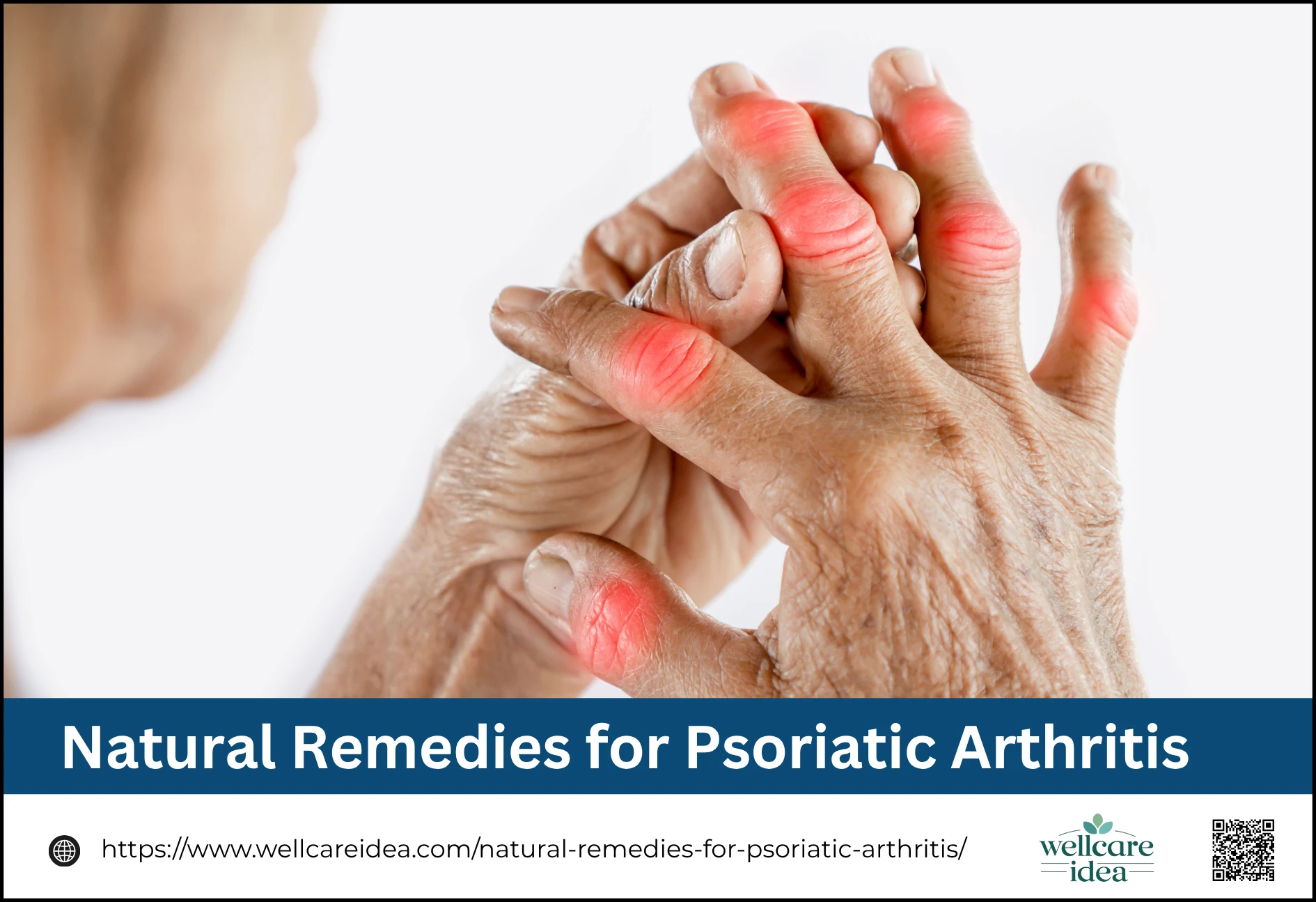
Imagine you wake up one morning and find that your joints feel like they have been filled with cooling cement, making every movement a deliberate struggle. This is the reality for many people living with psoriatic arthritis, a chronic condition where your immune system gets confused and starts attacking your own healthy joints and skin. It is much more than just a bit of stiffness; it is a systemic autoimmune disease that creates a cycle of inflammation throughout your body, often appearing in people who already deal with the itchy, scaly patches of psoriasis. While the skin symptoms might show up first, sometimes by several years, the joint pain and swelling can eventually affect any part of your body, from your fingertips to your spine. You are definitely not alone in this journey, as research suggests that about one in three people with psoriasis will eventually develop this type of arthritis 1.
Exploring the Five Main Types of Psoriatic Arthritis
You might find it helpful to know that doctors usually categorize this disease into five different types based on which joints are acting up and how the symptoms appear on your body 2. Identifying which type you have is a big step toward finding the specific remedies and movements that will work best for you 3.
1. Symmetric arthritis
Symmetric arthritis is the most common form you’ll see, and it affects the same joints on both sides of your body at once. If your right knee is swollen and stiff, your left knee will likely feel the same way, which can make things like walking or standing for long periods quite challenging 4. This version often looks a lot like rheumatoid arthritis, but it is generally a bit milder and comes with different markers in your blood 5.
2. Asymmetric arthritis
Asymmetric arthritis, on the other hand, is a bit more unpredictable because it doesn’t follow a matching pattern 5. You might have a swollen elbow on one side and a painful toe on the other, affecting about 35% of people with the condition 4. This type is often where “sausage digits” first appear, where a whole finger or toe swells up significantly 5.
3. Distal interphalangeal predominant arthritis
Distal interphalangeal predominant arthritis is a bit of a mouthful, but it basically means the inflammation is focused on the very tips of your fingers and toes. These are the joints closest to your nails, and this type is almost always linked to changes in your fingernails, like tiny dents or the nail lifting away from the skin. It can make fine motor tasks, like buttoning a shirt or picking up a coin, feel much harder than they used to be 3.
4. Spondylitis
Spondylitis is the type that specifically targets your spine and neck, causing a deep stiffness that can make it hard to turn your head or bend over 4. It mainly affects the joints between the vertebrae in your back and the joints in your pelvis, leading to chronic lower back pain 2. While only about 5% of people have this as their main symptom, it can significantly limit how much you can move around during the day 3.
5. Arthritis mutilans
Arthritis mutilans is the rarest but also the most severe form, affecting fewer than 5% of people 2. It involves very intense inflammation that can actually damage the small bones in your hands and feet, leading to permanent changes in how your joints look and function 1. Because this type is so aggressive, it’s really important to work closely with a specialist to catch it early and protect your bones 6.
Understanding the Causes Behind the Inflammation
Scientists are still working to solve the full mystery of why some people get this condition while others don’t, but they have found that it’s usually a combination of your genetic makeup and things you encounter in your environment 1. It is almost like your body has a “loaded gun” of genetic risk, and something in your life pulls the trigger 6.
1. Genetic Disorder
Your DNA plays a huge role here, as many people with psoriatic arthritis have family members who also deal with psoriasis or some form of joint diseases. Researchers have even identified a specific protein called HLA-B27 that shows up in the blood of many people with this condition, suggesting that your inherited genes are a primary piece of the puzzle 6. If you have a parent or a sibling with the disease, your own chances of developing it are notably higher 7.
2. Health Conditions
Environmental triggers are the other big factor, acting as the spark that sets off the internal fire of inflammation 1. For some people, a simple throat infection or a virus can confuse the immune system so much that it starts attacking the joints 6. Even a physical injury to your skin or a joint can cause a “flare-up,” which is a period when your symptoms suddenly get much worse 5.
3. Overweight
Your weight and lifestyle choices can also contribute to the amount of inflammation in your body 8. Carrying extra weight puts more physical strain on your knees and back, but it also creates chemical signals that fuel the autoimmune attack 8. Smoking is another major risk factor, as it has been shown to make the disease more severe and can even stop your medications from working as well as they should 1.
Psoriatic Arthritis Facts Table
| Common Symptoms | • Joint pain, stiffness, and noticeable swelling
• Morning stiffness that can last for hours • Sausage-like swelling in fingers or toes (dactylitis) 1 • Deep pain in the heel or sole of the foot (enthesitis) • Pitted, crumbly, or discolored fingernails • Overwhelming fatigue and feeling “wiped out” • Red, painful eyes or blurred vision (uveitis) |
| The Primary Causes | • A confused immune system attacking healthy tissue 1
• Genetic markers passed down through families • External triggers like infections, stress, or injuries 7 |
| Five Disease Types | • Symmetric Polyarthritis (affects both sides)
• Asymmetric Oligoarthritis (patchy involvement) • Distal Predominant (ends of fingers and toes) 2 • Spondylitis (affects the spine and neck) • Arthritis Mutilans (severe bone destruction) 1 |
| How It Spreads | • Inflammation travels through tendons and ligaments
• Immune cells move through the blood to different joints 9 • Untreated inflammation can eventually reach the spine |
| Typical Age Group | • Most often starts between ages 30 and 55
• Can occasionally develop in young children 1 |
| Who Is at Higher Risk | • People who already have psoriasis (up to 30% risk) 7
• Those with a family history of the condition • People with nail psoriasis specifically |
| How Doctors Diagnose | • Physical examination of skin, joints, and nails • Using the CASPAR points-based criteria• X-rays, MRIs, and ultrasounds to see joint damage• Blood tests to rule out other forms of arthritis 10 |
| Main Treatment Goals | • Reduce pain and swelling (inflammation) 1
• Prevent permanent joint and bone damage • Improve your ability to move and stay active |
| Associated Conditions | • High blood pressure and heart disease
• Type 2 diabetes and obesity • Anxiety and depression |
 Natural Remedies for Psoriatic Arthritis Relief
When you are looking for ways to support your body naturally, the focus is almost always on cooling down the systemic fire of inflammation. Many people find that while medications are essential for stopping joint damage, these natural approaches can make a world of difference in your day-to-day comfort and energy levels.
1. Turmeric and Curcumin Supplements
You can think of turmeric as one of nature’s most powerful anti-inflammatories, specifically because it contains a compound called curcumin. This bright yellow spice has been shown to block the very same enzymes and proteins that cause your joints to swell up and feel stiff. A survey found that nearly half of people with psoriatic arthritis who took daily curcumin felt significantly less pain and stiffness.
- Dosage Tip: Most studies suggest taking between 500 mg and 1,000 mg of curcumin daily, often split into two doses 11. Because curcumin isn’t absorbed well on its own, look for a supplement that includes black pepper extract, which can increase absorption by a massive amount.
2. Fish Oil (Omega-3 Fatty Acids)
You might already know that fish oil is great for your heart, but it is also a champion at reducing the painful swelling in your joints. The omega-3s in fish oil help to lower the levels of inflammatory chemicals in your blood that lead to tenderness. Research has shown that taking a daily supplement can even help some people reduce the amount of NSAID pain relievers they need to take 12.
- How to Take: Aim for about 1,000 mg of total EPA and DHA (the active parts of fish oil) every day, which usually equals about 3 to 4 grams of standard fish oil capsules 11.
3. Capsaicin Creams
If you have specific joints that are bothering you, a cream made from capsaicin—the stuff that makes chili peppers hot—can be a huge help 13. It works by temporarily “numbing” your pain receptors, which can provide a few hours of relief from the deep ache in your hands or knees 14. Over time, regular use can significantly decrease how much pain you feel in those specific areas 12.
- Application: Look for a cream with a concentration between 0.025% and 0.075% and rub it into the skin around your painful joints three times a day 15.
4. Epsom Salt Baths
Taking a warm soak in Epsom salts is a dual-threat remedy because the warm water relaxes your stiff muscles while the salts provide magnesium 13. Magnesium is a mineral that helps to soothe itchy skin and can even support your bone density 14. It’s also a fantastic way to de-stress, which is vital because stress is one of the most common triggers for a flare-up 13.
- Bath Guide: Keep the water temperature between 92°F and 100°F so you don’t accidentally dry out your skin, and soak for no more than 20 minutes 14.
5. Ginger
You can easily add ginger to your diet as a tea or a spice to help fight the internal inflammation of psoriatic arthritis 13. While it hasn’t been studied as much for this specific disease, it is well-known for reducing pain and swelling in other types of inflammatory arthritis 12. It’s a gentle way to support your joints from the inside out 14.
- Recommended Dose: Taking 500 mg to 1,000 mg of powdered ginger root two or three times a day is a good standard starting point (https://www.va.gov/WHOLEHEALTHLIBRARY/docs/Clinician-Guide-Dietary-Supplements-for-Pain.pdf).
6. Acupuncture
If you are open to alternative therapies, acupuncture involves having a specialist insert very thin needles into specific points on your body to help balance your immune system 13. It can help to block pain signals and has been shown to reduce the levels of inflammatory markers in some people 16. Many people find it helps them manage the chronic fatigue and “brain fog” that often come with the disease 13.
7. Low-Impact Exercise
It might seem counterintuitive to move when you are in pain, but staying active is actually one of the best ways to keep your joints flexible and strong 1. Activities like swimming, yoga, and tai chi are gentle on your joints while helping to maintain your range of motion 14. Regular movement also helps you maintain a healthy weight, which is the best way to take the physical pressure off your knees and spine 8.
8. Aloe Vera and Apple Cider Vinegar (for the Skin)
When you are dealing with itchy plaques on your skin or scalp, these two household items can be lifesavers 12. Aloe vera can soothe the redness and irritation on your body, while a diluted apple cider vinegar rinse can help with the intense itch of scalp psoriasis 14. Just remember never to use vinegar on skin that is cracked or bleeding, as it will sting significantly 12.
Important Precautions and Drug Interactions
You always need to be careful when mixing natural supplements with your prescribed medications, as some herbs can change how your medicine works in your body 17. Since many psoriatic arthritis medications are quite strong, it’s vital to run every new supplement by your rheumatologist first 18.
Methotrexate is a very common medication for this condition, but it has several known interactions with natural products 19. For instance, taking high doses of folic acid or certain citrate supplements can actually make methotrexate less effective. Also, herbs like St. John’s Wort can make your skin much more sensitive to the sun, which is a risk you already face when taking certain arthritis drugs 17.
If you are using biologic medications—which are powerful drugs that target specific parts of your immune system—you should be cautious with herbs like Echinacea. Since biologics work by calming down your immune response, and Echinacea is often used to “boost” the immune system, they could end up working against each other 20.
You should also keep an eye out for blood-thinning effects, especially with high doses of turmeric or fish oil 12. If you are already taking a blood thinner like warfarin, or if you have a surgery coming up, these supplements could increase your risk of bruising or bleeding 20. Always check for a “patch test” when using new topical remedies like tea tree oil or capsaicin to make sure you don’t have an allergic reaction 12.
The Link Between Chronic Pain and the Risk of Addiction
You might not realize that managing chronic pain is one of the most difficult parts of living with an autoimmune disease, and it can sometimes lead people down a dangerous path 21. Because the pain of psoriatic arthritis is often constant, it’s not uncommon for people to look for ways to “self-medicate” using things like alcohol or unprescribed medications 22. Research shows that people with chronic pain are significantly more likely to struggle with substance use than the general population 21.
Opioid medications are sometimes used for severe pain, but they come with a high risk of long-term use and dependence. Studies have found that up to one in five people with psoriatic arthritis who are newly started on opioids end up using them long-term 23. This is why organizations like NIDA and SAMHSA recommend focusing on non-opioid treatments and lifestyle changes as your first line of defense 24.
If you ever feel like you are relying too heavily on alcohol or pain pills to get through the day, it is a sign that your underlying inflammation might not be under enough control 23. Treating the disease itself with the right DMARDs or biologics is often the best way to reduce your pain naturally and lower your risk of developing an addiction https://pmc.ncbi.nlm.nih.gov/articles/PMC6517395/}. It is much easier to manage your health when you have a clear head and a plan that focuses on healing your body rather than just masking the pain 25.
Finding a Sustainable Path Forward
Living with psoriatic arthritis means you have to become an expert on your own body and how it responds to different foods, movements, and stress 1. You might have days when you feel great and other days when getting out of bed feels like a marathon, and that is perfectly okay (https://www.healthgrades.com/video/psoriatic-arthritis-video-center/my-psoriatic-arthritis-story}. The key is to build a “toolbox” of remedies—both medical and natural—that you can reach for whenever you need them 13.
You are a warrior in this journey, and every small step you take, whether it’s adding turmeric to your dinner or taking a walk in the pool, helps to protect your joints for the future 26. By working with a medical team you trust and using these natural strategies to support your system, you can keep doing the things you love and maintain a high quality of life 1. Remember that you are more than your diagnosis, and with the right care, you can stay strong, mobile, and positive 27.