
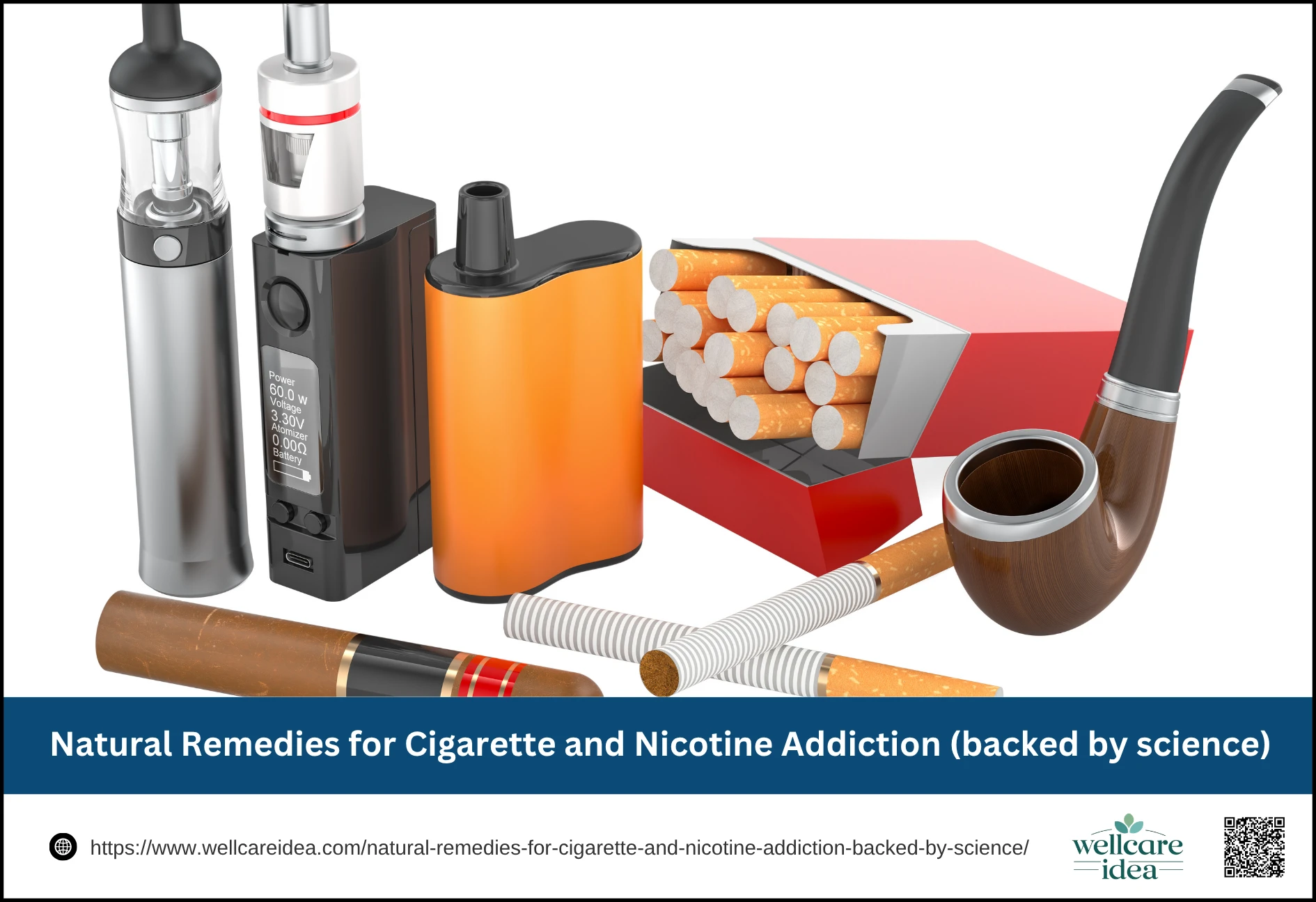
Waking up and immediately reaching for a cigarette is a reality that millions of people face every single morning. When you try to quit, you are not just breaking a bad habit; you are fighting against a profound chemical dependency that has rewired how your brain experiences pleasure and stress. Nicotine addiction is a chronic, relapsing condition that occurs when your body becomes entirely dependent on the chemical nicotine found in tobacco products 1 Every time you inhale smoke or vapor, nicotine rushes into your bloodstream and crosses directly into your brain, setting off a chain reaction that you feel almost instantly.
Deep inside your brain, nicotine triggers the reward center by forcing the release of a neurotransmitter called dopamine 1 This chemical is responsible for those fleeting feelings of pleasure, relaxation, and improved mood that you experience when you take a drag. Because this artificial surge of dopamine feels so good, your brain quickly demands more of it just to feel normal. Over time, your body builds a tolerance, meaning you have to smoke more cigarettes or use your vape more frequently just to achieve that same baseline level of satisfaction 1
Perhaps the most frustrating part of this condition is how it completely intertwines with your daily routines and emotions. You start to associate the physical act of smoking with specific activities, creating powerful environmental triggers. Whether it is drinking your morning cup of coffee, talking on the phone, driving your car, or dealing with a stressful day at work, your brain expects nicotine during these moments 1 This is why quitting is never as simple as just throwing away a pack of cigarettes. You are battling both a physical hunger for a chemical and a deeply ingrained psychological routine.
Living with this addiction takes a severe toll on your systemic health, yet the compulsion to smoke often overrides your survival instincts. You might find yourself continuing to smoke even after developing serious health conditions like chronic bronchitis, emphysema, or asthma 1 Tobacco use remains the leading cause of preventable death worldwide, destroying lung tissue and severely damaging your cardiovascular system 1 Furthermore, second-hand smoke puts the people you love at risk, causing premature health issues in those who simply share your environment 2
The landscape of this addiction has also shifted drastically with the rise of electronic cigarettes and vaping devices. While often marketed as a safer alternative, vaping is fueling a massive new wave of nicotine dependency, particularly among younger generations 3 These devices deliver highly concentrated doses of nicotine, hooking you faster and keeping you addicted just as fiercely as combustible tobacco 3 Regardless of how you consume it, the grip of nicotine is fierce, but breaking free is entirely possible when you understand exactly what you are fighting and utilize the right tools to support your recovery.
Cigarette and Nicotine Addiction
To truly tackle your addiction, you need a clear, objective view of how it operates, how it spreads, and how it is managed. The following table breaks down the essential facts regarding cigarette and nicotine dependency.
| Category | Detailed Facts and Information |
| Symptoms | – You cannot stop smoking despite making one or more serious, dedicated attempts to quit without long-term success 1
– You smoke your first cigarette within 30 minutes of waking up, which is a strong indicator of severe physical dependency 1 – You experience intense physical and mood-related withdrawal symptoms when you try to step down your nicotine intake 1 – You keep smoking even after a doctor diagnoses you with a health condition linked to tobacco use 1 – You give up social activities, recreational events, or avoid restaurants where smoking is entirely prohibited 1 |
| Causes | – The artificial release of dopamine in your brain’s reward center, which forces your brain to crave the chemical 1
– Strong environmental and behavioral conditioning, where specific daily actions become mental triggers for smoking 1 – Genetic factors that dictate how quickly your liver metabolizes nicotine, making some people physically hooked much faster than others 4 |
| Types | – Physical Dependence: Your cellular receptors demand the drug to function normally, causing bodily sickness when you stop 5
– Psychosocial Dependence: You rely on the ritual of smoking to regulate your mood, handle stress, or fit in with social groups 5 |
| How does spread | – Peer influence is massive; seeing friends or colleagues smoke normalizes the behavior and encourages you to start.
– Aggressive marketing of flavored e-cigarettes and nicotine pouches specifically targets younger, vulnerable demographics 3 – Growing up in a household where family members smoke heavily influences your future habits. |
| Age Group | – Almost all long-term tobacco users begin their habit between the critical developmental ages of 12 and 25.
– Currently, over 15 million adolescents are actively using electronic nicotine delivery systems globally 3 |
| You might be at a higher risk for exposure of this disease if you: | – Suffer from mental health conditions such as depression, anxiety, or ADHD, leading you to use nicotine as a form of self-medication 6
– Live in a lower socioeconomic bracket with limited access to education or primary healthcare support 7 – Experience chronic occupational or personal stress without healthy coping mechanisms 8 – Spend significant time in social settings or workplaces where smoking is a normalized group activity 8 |
| How doctors diagnose | – Administering the Fagerström Test for Nicotine Dependence, a questionnaire that evaluates how quickly you smoke after waking and your daily volume 9
– Conducting a carbon monoxide breath test using a biofeedback device to measure the toxic gas levels currently in your lungs 10 |
| Treatment and Medications | – Nicotine Replacement Therapy (NRT): Using over-the-counter patches, gums, or lozenges to safely manage physical withdrawal 11
– Prescription Pills: Non-nicotine medicines like varenicline or bupropion that block nicotine receptors in your brain and reduce cravings 12 – Counseling: Participating in individual behavioral therapy or structured support groups to learn long-term coping skills 11 |
| Methods of Prevention | – Increasing the financial cost of tobacco products through aggressive state and national taxation 2
– Implementing comprehensive smoke-free laws in all indoor workplaces and public areas 7 – Raising the minimum legal age to purchase any tobacco or vaping product to 21 years old 7 – Banning all forms of tobacco advertising, promotions, and sponsorships that target youth 2 |
The Nicotine Withdrawal Timeline (What to Expect)
Walking away from tobacco triggers a massive recalibration inside your body. Because your brain has come to rely on nicotine to regulate your mood and energy, cutting off that supply throws your system into a state of shock. Understanding exactly what your body is going through on a day-by-day basis can help you stay strong and realize that the discomfort you are feeling is a sign of deep cellular healing.
Within the first four to twenty-four hours after your last cigarette or vape session, the withdrawal process kicks in hard 13. Your body clears out the residual nicotine very quickly, and your brain suddenly realizes its main source of dopamine is gone. During this initial window, you will likely feel highly restless, irritable, and physically anxious. You might find yourself pacing around, wondering how to fill the time you usually spent smoking. Your appetite will likely spike, and you may begin to experience a heavy, persistent sadness or frustration as your mood drops without the chemical support 14
Brace yourself for the second and third days, because this is almost always the peak of the mountain. By day three, all the nicotine has completely left your system, leaving your receptors starved and screaming for relief. The physical cravings during this 72-hour mark are incredibly intense. You might suffer from severe headaches, trouble concentrating, and a heavy “brain fog” that makes it hard to focus on simple tasks at work 14 Many people also experience strange physical symptoms like a sore throat, coughing, nausea, or dizziness 15 These sickness-like symptoms are completely normal; they are the physical manifestations of your central nervous system trying to rewire itself without a toxic stimulant.
If you can hold out through that first grueling week, you will reach a major turning point. The intense, physical pangs for a cigarette will begin to taper off. Moving into weeks two through four, the physical exhaustion starts to lift and your brain fog gradually clears. Your rampant appetite will begin to settle back into a normal rhythm. However, you will now enter the psychological phase of the battle. While your body is no longer physically screaming for the drug, your mind will still trigger emotional cravings when you face a stressful situation or step into an environment where you used to smoke. Expect to deal with lingering bouts of anxiety, depression, and irritability during this month as your dopamine receptors slowly heal and learn to produce happy chemicals naturally again 14 Remind yourself every day that this emotional rollercoaster is temporary, and every craving you survive makes your brain stronger.
Natural Remedies for Cigarette and Nicotine Addiction
When the urges strike and your willpower is wearing thin, relying solely on mental strength is often not enough. Many people prefer to support their body’s healing process with science-backed, natural interventions. These remedies work by interacting with your brain chemistry, easing your physical stress, and soothing the harsh edges of withdrawal. Here are the most effective natural remedies for nicotine addiction.
1. Cytisine (Golden Rain Acacia)
Derived directly from the seeds of the Cytisus laburnum plant, cytisine is a powerful natural compound that has been utilized for decades to combat addiction 16 Think of cytisine as a highly effective decoy for your brain. It possesses the unique ability to bind to the exact same nicotinic receptors in your brain that cigarette smoke targets. By sitting on these receptors, it gently stimulates them, tricking your brain into releasing just enough dopamine to stop your severe withdrawal symptoms and cravings. Even better, because the cytisine is blocking the receptor, if you do slip up and smoke a cigarette, you won’t feel the usual rush of pleasure 12 This breaks the psychological reward cycle completely. Relying on this plant-based alkaloid has been proven to significantly boost your chances of achieving long-term abstinence compared to trying to quit cold turkey.
2. Vernonia cinerea (Little Ironweed)
Often consumed as a brewed tea, Vernonia cinerea is a traditional herb that offers a remarkably gentle way to step down from your addiction. The entire plant contains specialized flavonoids and subtle trace amounts of natural nicotine, which help take the edge off your daily cravings without relying on synthetic patches. Furthermore, years of smoking have likely flooded your body with massive amounts of oxidative stress and tissue damage. The bioactive compounds in this herb act as a powerful internal cleanser, providing intense antioxidant support that neutralizes cellular damage 17. Consuming this tea regularly during your quit attempt helps stabilize your system, offering a protective factor that keeps you on the wagon when things get tough 18.
3. St. John’s Wort
For many people, the hardest part of quitting smoking isn’t the physical headache; it is the overwhelming, crushing depression that sets in when the nicotine is gone 15 St. John’s Wort is a globally recognized flowering plant that naturally lifts your mood. It functions similarly to mild antidepressants by stabilizing the levels of serotonin and dopamine in your brain, essentially acting as an emotional safety net 19 When you incorporate St. John’s Wort into your daily routine, it softens the emotional crash, eases the anxiety, and keeps the dark clouds of withdrawal at bay, allowing you to focus on your recovery with a clearer, more positive mindset 18
4. Avena Sativa (Wild Green Oat Extract)
Your nervous system takes an absolute beating during the first month of quitting. You might feel constantly on edge, jittery, and entirely unable to relax. Avena sativa, or wild green oat extract, is an excellent natural intervention to calm this internal chaos. This botanical extract specifically targets your stress pathways, working to soothe frazzled nerves and promote an overall sense of wellbeing. When your body feels physically relaxed, it is significantly easier to mentally resist the urge to smoke. Taking green oat extract during your cessation journey leads to a much smoother experience, drastically improving your overall quality of life and helping you gracefully reduce your daily cigarette count 20.
5. Valeriana officinalis (Valerian Root)
When your head hits the pillow at night, the lack of nicotine can make your brain race, leading to terrible insomnia. Sleep deprivation destroys your willpower, making relapse highly likely the next day. Valerian root has been utilized for centuries as a potent, natural way to induce sleep and quiet an anxious mind 21 The roots of this plant naturally interact with your brain chemistry to promote deep relaxation without the groggy hangover effects of synthetic sleeping pills 22 By ensuring you get a solid night of restorative sleep, valerian root replenishes your mental energy, allowing you to wake up ready to fight off another day of cravings 21
6. Panax Ginseng
If you want to fundamentally change how you feel about cigarettes, Panax Ginseng is a remarkable tool. This adaptogenic root works by actively weakening the effect of dopamine inside your brain. Normally, smoking releases a flood of dopamine that makes you feel fantastic. When you consume ginseng tea or supplements, it dampens that release, effectively uncoupling the act of smoking from the feeling of extreme pleasure. Over time, this makes the entire experience of inhaling nicotine feel much less appealing and far less enjoyable{https://truthinitiative.org/research-resources/quitting-smoking-vaping/8-foods-and-drinks-could-help-people-quit}. It is an excellent way to slowly dismantle the reward system that keeps you trapped in the addiction.
7. Glucose and Dextrose Modulators
Believe it or not, your body often confuses the biological signal for hunger with an intense craving for a cigarette. Because nicotine acts as an appetite suppressant, chronic smokers learn to interpret a drop in blood sugar as a sign they need to smoke. When you quit, these confusing signals go into overdrive. Simply chewing on a dextrose or glucose tablet provides a rapid, healthy spike in your blood sugar levels. This quick hit of energy effectively turns off the biological alarm bells that mimic nicotine cravings, making it a highly accessible, inexpensive way to crush a sudden urge 23.
8. Vitamin C and Magnesium
Smoking literally robs your body of vital nutrients; a single cigarette depletes up to 25 milligrams of Vitamin C from your system 24. Taking aggressive Vitamin C supplements (500 to 1,000 mg daily) helps your liver rapidly detoxify your blood, flushing the residual nicotine out of your system much faster. Concurrently, you should heavily consider supplementing with magnesium (300 to 400 mg daily). Magnesium is nature’s ultimate relaxant. It calms your overactive nervous system, reduces generalized anxiety, and prevents the muscle tension that often leads people to reach for a cigarette just to find some physical relief 25.
The “Quit Smoking” Diet – Foods That Help You Quit
You might not realize it, but the foods and beverages you consume every day have a massive impact on your cravings and the overall taste of cigarettes. By strategically modifying your daily diet, you can actually create a hostile environment for tobacco inside your own mouth, making the act of smoking highly unappealing.
Surprisingly enough, consuming dairy products like a cold glass of milk, yogurt, or cheese right before you smoke makes the cigarette taste absolutely terrible 26 The proteins in the dairy coat your palate and react poorly with the inhaled smoke, leaving a bitter, harsh aftertaste that ruins the experience. You can achieve a similar taste-ruining effect by consuming large amounts of non-caffeinated drinks like water or fresh juice, as well as loading your plate with raw fruits and vegetables 27 When you eat a diet rich in vegetables like broccoli, celery, and eggplant, it alters your taste receptor sensitivity and drastically reduces smoking satisfaction 28. However, it is worth noting that if you smoke menthol cigarettes, the strong mint flavor masks these negative tastes, making this dietary trick slightly less effective 29.
On the flip side, you must actively avoid the foods and drinks that make smoking feel like a luxurious treat. Alcoholic beverages, heavy red meats, and caffeinated drinks like coffee, tea, and cola act as powerful flavor enhancers for combustible tobacco. Drinking a beer or sipping a hot cup of coffee primes your taste buds to enjoy the smoke perfectly, which serves as a massive psychological relapse trigger 27 By cutting these items out of your routine temporarily, you remove the physical temptation and break the behavioral link between your morning coffee and your morning smoke.
Another massive hurdle is the physical hand-to-mouth fixation you have developed over the years. When you quit, your mouth is going to feel incredibly empty, leading to a strong urge to constantly snack, which often results in unwanted weight gain. To combat this without ruining your waistline, stock your fridge with crunchy, low-calorie emergency foods. Carrot sticks, celery, cucumber slices, and green peppers are perfect for keeping your mouth busy and satisfying the physical need to hold something. Sugar-free gum, sugarless hard candies, and even chewing on cinnamon sticks or toothpicks are excellent zero-calorie ways to distract your brain when a craving peaks 30
Finally, keep your energy levels completely stable to avoid a willpower crash. Keep your metabolism steady by eating lean proteins like eggs and beans, and relying on whole grains like brown rice and whole-wheat pasta 28. If you get hit with a sudden sugar craving—which is very common right after quitting—reach for frozen grapes, natural fruit smoothies, or a small piece of dark chocolate instead of sugary junk food 30. Proper nutrition keeps your body fueled and your mind sharp enough to fight the addiction.
Natural Lung Detoxification After Quitting
Taking control of your respiratory health is one of the most rewarding aspects of quitting smoking, but it is easy to fall victim to internet scams. A quick online search will yield countless ads for “lung detox” pills, specialized vitamins, salt inhalers, and essential oil vapes that promise to scrub your lungs clean overnight. You must ignore these unproven, expensive gimmicks. There is no magic potion to reverse years of smoke damage; in fact, inhaling any kind of aerosolized essential oil or lipid can be highly dangerous to your delicate lung tissue. The good news is that your lungs are magnificent, self-cleaning organs, and the moment you stop exposing them to toxic pollution, they immediately begin to heal themselves naturally 31.
Inside your airways are millions of tiny, hair-like structures called cilia. Smoking paralyzes and destroys these cilia, but once you quit, they slowly start to wake up and regrow. Their primary job is to act like tiny brooms, sweeping a layer of mucus up and out of your lungs, carrying all the trapped tar, dirt, and dead cells with it 32 To naturally accelerate this internal cleaning process, your absolute best tool is aggressive hydration. You need to drink plenty of water—ideally around two liters a day—to keep that lung mucus thin and watery. Drinking warm liquids like herbal teas or vegetable broths is especially effective at melting the thick mucus, making it much easier for you to cough up the junk that has been sitting in your chest for years 33.
To further assist your healing lungs, you should flood your body with anti-inflammatory foods. Combustible smoke leaves your airway tissues angry, swollen, and chronically inflamed 33. Eating a diet heavy in powerful antioxidants helps put out that internal fire. Load your meals with fresh blueberries, cherries, radishes, and dark leafy greens like kale and spinach. Ensure you are getting plenty of omega-3 fatty acids from walnuts, flaxseed, and fatty fish, which actively battle systemic inflammation 34 A daily cup of green tea is also an excellent choice, as its natural compounds protect against ongoing respiratory damage 33
Physical movement is non-negotiable if you want to detoxify your system properly. When you sit around, you only use a small fraction of your lung capacity. Engaging in moderate aerobic exercise like brisk walking, swimming, or riding a bike forces you to breathe deeply, expanding your lungs fully and improving your overall circulation 34. This heavy breathing physically helps loosen the trapped mucus and clear out the lower lobes of your lungs 32 Combine this with mindful, diaphragmatic breathing exercises or even singing, and you will rapidly improve your lung efficiency and capacity 34.
Finally, you must ruthlessly protect your breathing environment. Make your home a true sanctuary for your healing lungs. Improve your indoor air quality by vacuuming regularly to remove dust, avoiding harsh chemical cleaning supplies, and entirely eliminating the burning of candles, incense, or wood inside the house. If you can afford it, run a portable HEPA air purifier in your bedroom to ensure you are breathing pristine air while you sleep 35 Your lungs know exactly how to heal themselves; you just need to give them the clean air, water, and nutrients they need to do their job.
Expert Tips and Behavioral Shifts
Beating this addiction is a chess match; you have to outsmart your own brain. When a massive urge strikes, it can feel like a tidal wave that is going to drown you, but medical experts emphasize that a craving is just a temporary sensation. If you can simply ride the wave for ten to fifteen minutes, the intensity will peak and eventually break 36. Distraction is your best weapon here. Set an alarm on your phone, step away from whatever you are doing, and force your mind onto a new task until the wave subsides.
If you want to succeed, you must actively manipulate your environment to work for you, not against you. Before you even begin your quit journey, tear through your home, your car, and your workplace and throw away every single cigarette, lighter, and ashtray you own. Wash all your clothes and jackets so you don’t catch a whiff of old tobacco smoke, which can instantly trigger a craving. During your first few vulnerable weeks, be selfish with your time. Avoid going to parties or bars where you know your friends will be smoking, and break your old routines entirely 37. If you always smoked on your back porch, don’t go out there. If you always smoked while driving the same route to work, find a new road to take.
Furthermore, be incredibly vocal about your journey. Tell your family, your friends, and your coworkers that you are quitting and that you need their grace and support 37. If you stumble and have a slip-up, do not use it as an excuse to give up entirely. A slip is incredibly common and it just means you need to recommit to your plan 36. Remember why you started, utilize your natural remedies, drink your water, and keep pushing forward one single day at a time.
Precautions Before Use of Natural Remedies
Before you rush to the store to fill your cabinet with herbs and supplements, you need to pump the brakes and understand the risks. There is a dangerous misconception that because a product is “natural,” it is inherently safe and harmless. This is completely false. When you are dealing with powerful botanical extracts that alter your brain chemistry and metabolisms, you have to treat them with the exact same caution you would give to prescription medications.
Let’s be completely clear about one of the most dangerous trends on the market: herbal cigarettes. You might think that smoking a blend of natural herbs like mugwort, damiana, or coltsfoot is a safe way to slowly taper off your nicotine habit. However, these products are not safe substitutes for nicotine replacement therapy, and they will absolutely destroy your lungs 38 The true danger of smoking lies heavily in the actual combustion process. Whenever you burn any plant material, it creates highly toxic byproducts, including thick tar and deadly carbon monoxide. Inhaling these toxins directly into your healing lungs increases your risk of chronic heart disease, stroke, and irreversible lung damage 39. Do not smoke anything.
If you decide to use oral supplements, you must be hyper-vigilant about severe drug interactions. St. John’s Wort is highly effective for managing depression, but it is notorious in the medical community for dangerously interacting with a massive list of life-saving prescriptions. This herb speeds up how your liver processes chemicals, which can quickly weaken the effectiveness of vital medications like oral birth control pills, synthetic antidepressants, blood thinners like warfarin, heart medications, and even statins. Combining St. John’s Wort with certain prescription anxiety meds can even cause a severe, life-threatening spike in serotonin 19.
You must also exercise extreme caution with herbs that act as natural sedatives. Taking valerian root or wild green oat extract can make you incredibly drowsy, which is great for nighttime insomnia but dangerous if you need to drive or operate heavy machinery 21. Furthermore, if you mix these natural relaxants with alcohol or prescription sedatives like benzodiazepines, the combined effect on your central nervous system can be overwhelming and unpredictable 40.
Taking control of your addiction requires intelligence and strategy. Never guess with your health. The lack of standardized regulations for herbal supplements means that one brand’s pill might be twice as strong as another’s 22. Before you ingest any botanical remedy to help you quit smoking, you must sit down with your doctor or a healthcare professional and have an honest conversation about your goals and current medications. By combining their medical oversight with the power of nature, you can finally build a safe, effective, and permanent bridge to a smoke-free life.