
Disclaimer: This article is for informational purposes only and is not a substitute for professional medical advice. Always consult a healthcare provider before trying any home remedy.
What Is Rubella?
Rubella, commonly known as German measles or three-day measles, is a contagious viral infection caused by the rubella virus 1 It belongs to the genus Rubivirus in the Matonaviridae family and is an enveloped, positive-stranded RNA virus with a single antigenic type 2 The word rubella comes from Latin, meaning “little red,” and the disease was first described as a distinct illness in German medical literature in 1814, which is why you may hear it called German measles 3
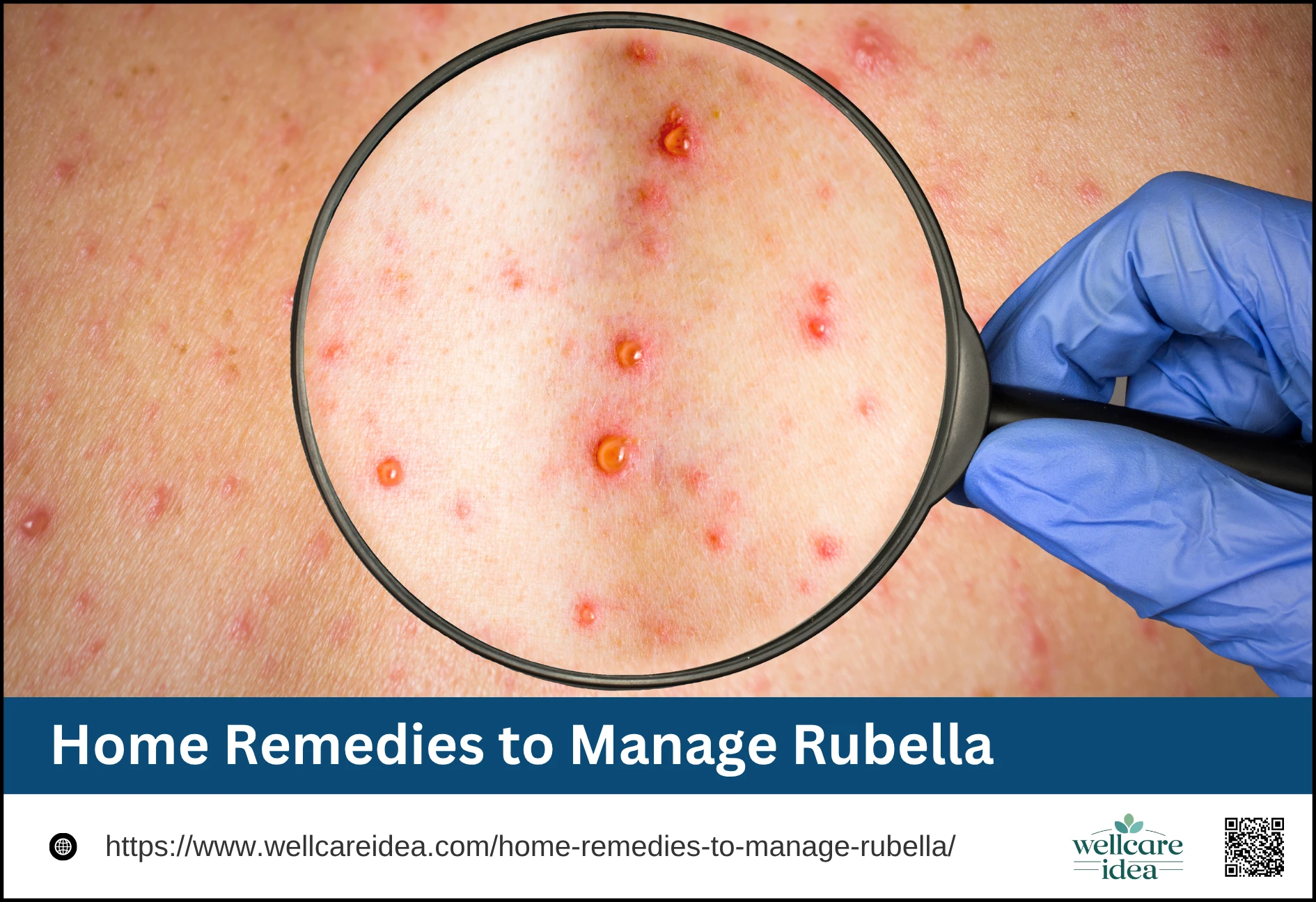
If you catch rubella, it is usually a mild illness. In fact, up to 50% of rubella infections are subclinical, meaning you may not even realize you have it 3 Symptoms typically appear about 14 to 17 days after exposure and include a mild, pinkish-red rash that starts on the face and spreads downward, low-grade fever, swollen lymph nodes, and general malaise 4 However, rubella becomes extremely dangerous during pregnancy. The World Health Organization (WHO) reports that if you contract rubella during early pregnancy, there is up to a 90% chance of passing the virus to your unborn baby, potentially causing congenital rubella syndrome (CRS) which can lead to heart defects, cataracts, hearing loss, and developmental delays 5
Thanks to widespread vaccination with the MMR (measles, mumps, and rubella) vaccine, rubella was declared eliminated from the United States in 2004. However, it remains common in many parts of the world, particularly in parts of Africa and South-East Asia where vaccination coverage is lowest 5 The Pan American Health Organization (PAHO) notes that the Americas eliminated endemic rubella transmission in 2015, but global estimates still indicate that roughly 100,000 infants are born with CRS each year worldwide 6
Rubella Facts at a Glance
The table below provides a comprehensive quick-reference summary of rubella, including its symptoms, causes, transmission, diagnosis, and prevention methods.
| Category | Details |
| Symptoms | Mild pinkish-red maculopapular rash starting on the face and spreading to the trunk and limbs; low-grade fever (below 39°C/102.2°F); swollen and tender lymph nodes (especially behind the ears and back of the neck); mild conjunctivitis; runny nose; headache; general malaise. Up to 70% of adult women may experience joint pain (arthritis). Up to 50% of infections may be subclinical with no noticeable symptoms. (CDC – cdc.gov/rubella/about; WHO – who.int/rubella) |
| Causes | Caused by the rubella virus, an enveloped, positive-stranded RNA virus of the genus Rubivirus in the Matonaviridae family. Humans are the only natural host. (CDC – cdc.gov/pinkbook; Cleveland Clinic – my.clevelandclinic.org) |
| Types | Only one antigenic type of the rubella virus exists. However, infection manifests as: (1) Acquired rubella – post-birth infection, usually mild; (2) Congenital rubella syndrome (CRS) – infection transmitted from mother to fetus during pregnancy, potentially severe. (CDC – cdc.gov/rubella) |
| How It Spreads | Transmitted through respiratory droplets when an infected person coughs or sneezes. Also spread via direct contact with nasopharyngeal secretions. An infected person is contagious from 7 days before to 7 days after the rash appears. People without symptoms can still spread the virus. (CDC – cdc.gov/rubella; WHO – who.int/rubella) |
| Regions Where Found | Rubella remains common in Africa and South-East Asia where vaccination coverage is lowest. As of January 2024, 175 of 194 countries had introduced rubella vaccines. CRS rates are highest in the WHO African and South-East Asian regions. Eliminated from the Americas (2015) and the United States (2004). (WHO – who.int/rubella; PAHO – paho.org/rubella) |
| Higher Risk If You: | Are unvaccinated or have not completed the full MMR schedule; live in or travel to areas where rubella is endemic; are a healthcare worker exposed to infected individuals; are pregnant and lack documented immunity; are born after 1957 and have not received at least one dose of MMR vaccine. (CDC – cdc.gov/rubella/about) |
| How Doctors Diagnose | Clinical diagnosis alone is unreliable because the rash resembles many other illnesses. Diagnosis is confirmed through laboratory testing: (1) Rubella-specific IgM antibody detection in serum; (2) Significant rise in IgG antibody titer in paired acute and convalescent sera; (3) Detection of rubella virus RNA by RT-PCR in nasopharyngeal swabs. (CDC – cdc.gov/rubella/hcp; Mayo Clinic – mayoclinic.org) |
| Treatment & Medications | There is no specific antiviral medication to treat rubella. Treatment is supportive and focuses on relieving symptoms: acetaminophen (Tylenol) for fever and aches (avoid aspirin in children due to Reye’s syndrome risk); ibuprofen for joint pain in adults; bed rest and plenty of fluids; isolation for at least 7 days after the rash appears. (Mayo Clinic – mayoclinic.org; Cleveland Clinic – my.clevelandclinic.org) |
| Prevention Methods | MMR vaccination is the most effective prevention – a single dose is about 97% effective. CDC recommends two doses for children (at 12–15 months and 4–6 years). Adults born after 1957 need at least one dose. Pregnant women who lack immunity should be vaccinated immediately after giving birth. Other measures: frequent handwashing, covering mouth/nose when coughing, avoiding sharing personal items, and isolating infected individuals. (CDC – cdc.gov/rubella; WHO – who.int/rubella) |
| Incubation Period | Average of 17 days (range: 12 to 23 days). The rash typically appears 14 to 17 days after exposure. (CDC – cdc.gov/pinkbook) |
| Complications | Generally rare in children. Adults may develop arthritis (especially women), encephalitis (very rare but serious), and thrombocytopenic purpura. In pregnancy: miscarriage, stillbirth, premature delivery, or CRS. (CDC – cdc.gov/rubella; WHO – who.int/rubella) |
 Evidence-Based Home Remedies for Rubella
It is critical to understand that there is no cure for rubella – the infection must run its course 7 No complementary or alternative therapy can provide immunity against rubella, and the MMR vaccine remains the only proven prevention 1 However, several evidence-based natural approaches may help you manage the discomfort of symptoms while your body fights the virus. Always consult your healthcare provider before trying any home remedy.
1. Rest and Adequate Hydration
The most important thing you can do when you have rubella is to rest and drink plenty of fluids. Your body needs energy to mount an effective immune response. Healthcare providers universally recommend bed rest and hydration as the cornerstone of rubella care 4 Water, clear broths, herbal teas, and electrolyte-rich beverages help prevent dehydration, especially if you have a fever. Avoid caffeinated and sugary drinks that may worsen dehydration.
2. Colloidal Oatmeal Baths for Rash Relief
If the rubella rash is itchy or uncomfortable, a colloidal oatmeal bath can provide soothing relief. Colloidal oatmeal (finely ground Avena sativa) has been used for centuries as a topical treatment for various skin conditions. Research published in the Journal of Drugs in Dermatology found that colloidal oat extracts have direct anti-inflammatory and antioxidant properties, reducing pro-inflammatory cytokines and improving skin dryness, scaling, and itch intensity 8 Additional research confirms that colloidal oatmeal has demonstrated efficacy for conditions involving skin rashes, including drug-induced rashes and eczema, thanks to its avenanthramides which inhibit histamine release and NF-κB activity 9 The FDA approved colloidal oatmeal as an effective skin-protectant in 2003 10 To use it at home, blend uncooked oats into a fine powder and add one cup to a lukewarm bath. Soak for 15 to 20 minutes.
3. Vitamin C-Rich Foods and Supplements
Vitamin C (ascorbic acid) is a powerful antioxidant that supports both your innate and adaptive immune systems. According to a comprehensive review published in the journal Nutrients, vitamin C helps strengthen epithelial barrier function, enhances the microbial killing ability of immune cells like neutrophils and macrophages, and supports lymphocyte differentiation and proliferation 11 Research indicates that vitamin C levels in the blood decline rapidly during infections and stress, and supplementation can help restore these levels 12 While high-dose supplementation has not been proven to prevent viral infections in the general population, maintaining adequate daily intake of 100–200 mg through fruits such as oranges, kiwis, strawberries, and bell peppers can help optimize your immune response while you recover 13
4. Turmeric (Curcumin)
Turmeric (Curcuma longa) and its active compound curcumin have been used for thousands of years in Ayurvedic and traditional medicine. Modern research has confirmed its broad anti-inflammatory and antiviral properties. A systematic review found that curcumin inhibits multiple molecules involved in inflammation including prostaglandins, tumor necrosis factor (TNF), and various interleukins, and human trials using 1,125 to 2,500 mg per day have confirmed its safety and anti-inflammatory activity 14 Additionally, curcumin has demonstrated antiviral activity against a wide range of viruses in laboratory studies 15 A randomized controlled trial published in Scientific Reports found that turmeric supplementation significantly reduced inflammatory markers (CRP and ESR) in viral infection patients compared to placebo 16 You can add turmeric to warm milk (“golden milk”), soups, or smoothies. Combining it with black pepper enhances curcumin absorption.
5. Ginger (Zingiber officinale)
Ginger, a member of the same plant family as turmeric, has been extensively studied for its anti-inflammatory, antiviral, and immunomodulatory properties. Research suggests that ginger contains compounds that induce tumor necrosis factor-alpha (TNF-α), a recognized anti-influenza cytokine, and may stimulate mucosal interferon beta secretion, which can help relieve symptoms of viral infections including fever and cough 16 You can prepare fresh ginger tea by simmering sliced ginger root in hot water for 10 minutes. Adding honey and lemon further enhances the soothing effect for a sore throat while providing additional vitamin C.
6. Echinacea
Echinacea purpurea is one of the most widely used herbal medicines for immune support. Preclinical and clinical research shows that echinacea enhances immune function by activating macrophages, natural killer cells, and polymorphonuclear leukocytes, and stimulates the production of cytokines including interferons which are key in antiviral defense 17 A review in PubMed found that echinacea extracts may help shorten the duration and severity of upper respiratory infections when given early in the course of illness 18 Clinical trials have demonstrated that echinacea significantly reduced the incidence of enveloped virus infections and lowered viral loads in nasal secretions 19 While not studied specifically for rubella, its broad immunomodulatory effects could be supportive during recovery. Echinacea is available as teas, tinctures, and capsules.
7. Neem (Azadirachta indica) Leaves
Neem has a long history of use in Ayurvedic medicine for skin-related ailments. Its leaves contain compounds with antibacterial, antiviral, and anti-inflammatory properties. In traditional practice, a paste of neem leaves is applied to the skin rash to relieve itching, or neem leaves are added to warm bathwater for a soothing soak. Some practitioners recommend soaking in neem-infused water for at least 20 minutes to get maximum relief from rash-related itching. While robust clinical trials specific to rubella are limited, the traditional use of neem for skin conditions is well documented in Ayurvedic texts 20
8. Aloe Vera Gel
Aloe vera is known for its skin-soothing and anti-inflammatory properties. When applied topically to rubella rashes, aloe vera gel may help calm inflammation and provide a cooling effect that reduces discomfort. The gel contains compounds like acemannan and various polysaccharides that help moisturize the skin and support healing. For best results, use pure aloe vera gel (directly from the plant or a product with minimal additives) and apply it gently to the affected areas several times a day.
9. Witch Hazel
Witch hazel is a natural astringent with anti-inflammatory properties that has been traditionally used to soothe irritated skin. It may help reduce itching associated with rubella rashes. You can apply witch hazel extract to the rash using a soft cotton pad. Some healthcare providers suggest using witch hazel as a complement to other soothing treatments for managing skin irritation during rubella 21
10. Raw Honey
Raw honey has recognized antimicrobial and anti-inflammatory properties. Adding honey to warm herbal teas can help soothe a sore throat, which sometimes accompanies rubella in older children and adults. Honey also serves as a natural cough suppressant. Important: never give honey to children under one year of age due to the risk of infant botulism.
11. Nutrient-Dense Diet
Supporting your recovery with a balanced, nutrient-dense diet is essential. Focus on foods high in B-vitamins (whole grains, leafy greens, legumes), iron (spinach, lentils, red meat), zinc (pumpkin seeds, chickpeas, yogurt), and antioxidants (berries, citrus fruits, colorful vegetables). Adequate zinc intake is especially important because research shows that zinc supports immune function by enhancing natural killer cell activity, lymphocyte proliferation, and the generation of oxidative burst 12 Avoid processed foods, excess sugar, and inflammatory foods during your recovery period.
When to See a Doctor
While rubella is usually mild, you should contact your healthcare provider immediately if you experience a severe headache with a stiff neck (possible encephalitis), persistent high fever that does not respond to acetaminophen, sensitivity to light, confusion or extreme drowsiness, or if you are pregnant and have been exposed to someone with rubella. Pregnant women who are exposed may be offered hyperimmune globulin within 72 hours to reduce (but not eliminate) the risk of infection 21
Precautions Before Using Natural Remedies
Before turning to any natural remedy, you should keep several important precautions in mind. These safeguards help protect you and ensure that your recovery goes smoothly.
First, always consult your healthcare provider before using any herbal supplement, especially if you are pregnant, breastfeeding, or taking prescription medications. Many herbs can interact with conventional drugs. For example, echinacea may interfere with immunosuppressive medications, and turmeric in large doses can interact with blood thinners.
Second, never use natural remedies as a substitute for the MMR vaccine. The CDC, WHO, and all major health authorities confirm that vaccination is the only proven method of preventing rubella {https://www.webmd.com/a-to-z-guides/what-is-rubella ; https://www.who.int/news-room/fact-sheets/detail/rubella} No herbal remedy provides immunity against the rubella virus.
Third, be cautious about quality and dosage. Herbal products are not regulated by the FDA to the same standard as pharmaceutical drugs. Look for products that have been third-party tested for purity and potency. Start with low doses and watch for allergic reactions, especially when trying a new herb or topical treatment for the first time.
Fourth, do not give aspirin or aspirin-containing products to children or teenagers with rubella or any viral infection due to the risk of Reye’s syndrome, a rare but life-threatening condition 7
Fifth, keep in mind that rubella is contagious. Even while using home remedies, you must isolate yourself from others – especially pregnant women – for at least seven days after the rash appears 1 Wash your hands frequently and avoid sharing utensils and personal items.
Finally, monitor your symptoms closely. If your condition worsens or new symptoms develop, seek medical attention immediately. Home remedies are supportive measures only and should complement – never replace – professional medical care.
Conclusion
Rubella is generally a mild, self-limiting viral infection for most people, but it can have devastating consequences during pregnancy. Prevention through MMR vaccination remains the single most effective strategy {https://www.cdc.gov/rubella/about/index.html b; https://www.who.int/news-room/fact-sheets/detail/rubella} If you do contract rubella, the evidence-based home remedies discussed in this article – including rest and hydration, colloidal oatmeal baths, vitamin C-rich foods, turmeric, ginger, echinacea, neem, aloe vera, and a nutrient-dense diet – can help you manage symptoms more comfortably while your immune system does the work of clearing the virus. Always prioritize medical guidance, use natural remedies as complementary support, and take every precaution to prevent spreading the infection to others.
What Are Navy Beans?
If you have ever enjoyed a hearty pot of baked beans or a creamy white bean soup, you have likely tasted navy beans without even realizing it. Navy beans (Phaseolus vulgaris), also known as haricot beans, Boston beans, or white pea beans, are small, oval-shaped white legumes that earned their name from being a dietary staple in the United States Navy since the 1800s. From a nutritional standpoint, navy beans are a powerhouse: a single one-cup serving of cooked navy beans delivers approximately 255 calories, 15 grams of plant-based protein, 19 grams of dietary fiber (which supports digestive health and helps regulate blood sugar levels), and significant amounts of folate (over 60% of your daily needs), thiamin, manganese, iron, copper, and potassium. They are naturally low in fat, contain virtually no sodium, and have a low glycemic index (around 29–39), making them an excellent food choice if you are managing diabetes or trying to maintain stable energy levels. Navy beans are also rich in polyphenols – powerful antioxidant compounds that help fight free radicals, reduce inflammation, and support cardiovascular health. Research has shown that regular consumption of navy beans may help reduce total cholesterol and LDL cholesterol levels, supporting long-term heart health. Their high fiber content acts as a prebiotic, feeding the beneficial bacteria in your gut and promoting a healthy microbiome. Whether you add them to soups, stews, salads, or casseroles, navy beans are a versatile, affordable, and nutrient-dense addition to your diet that you should consider making a regular part of your meals.
References and Further Reading
The following authoritative sources were referenced throughout this article:
1. CDC – About Rubella
2. CDC – Pink Book Chapter 20: Rubella
3. CDC – Clinical Overview of Rubella
4. WHO – Rubella Fact Sheet
5. PAHO – Rubella
6. Cleveland Clinic – Rubella
7. Mayo Clinic – Rubella Diagnosis & Treatment
8. WebMD – What Is Rubella?
9. PMC – Vitamin C and Immune Function (Nutrients, 2017)
10. PubMed – Immune-Enhancing Role of Vitamin C and Zinc
11. PMC – Vitamin C, Respiratory Infections and the Immune System
12. PubMed – Safety and Anti-Inflammatory Activity of Curcumin
13. PMC – Curcumin as an Antiviral Agent
14. Nature/Scientific Reports – Turmeric vs Ginger RCT
15. NCBI Bookshelf – Turmeric, the Golden Spice
16. PMC – Echinacea purpurea: Pharmacology
17. PubMed – Immune System Effects of Echinacea
18. PubMed – Echinacea and Coronavirus Infections
19. PubMed – Colloidal Oatmeal Anti-Inflammatory Activity
20. PubMed – Colloidal Oatmeal Mechanism of Action
21. Cleveland Clinic – Colloidal Oatmeal
22. PMC – Colloidal Oatmeal Safety
23. CDC – MMWR: Congenital Rubella Syndrome Estimates