
What Is Influenza?
Influenza, commonly known as the flu, is a contagious respiratory illness caused by influenza viruses that infect your nose, throat, and sometimes your lungs 1 It can cause mild to severe illness, and in serious cases, it can even lead to death. Unlike the common cold, the flu typically comes on suddenly and hits you with more intense symptoms such as high fever, severe body aches, and extreme fatigue 2
According to the World Health Organization (WHO), seasonal influenza epidemics cause an estimated 3 to 5 million cases of severe illness and between 290,000 and 650,000 respiratory deaths worldwide each year. In the United States alone, the CDC estimates that flu causes 9 to 45 million symptomatic illnesses, 140,000 to 710,000 hospitalizations, and 12,000 to 52,000 deaths each year 3 Most healthy people recover from the flu within one to two weeks without requiring medical treatment. However, certain groups—including young children, older adults, pregnant women, and those with chronic health conditions—face a higher risk of developing serious complications like pneumonia 4
While there is no outright cure for the flu, a number of home remedies and natural approaches may help you manage symptoms and support your body’s recovery process. This article explores evidence-based home remedies you can consider alongside conventional medical treatment.
Influenza Facts at a Glance
The table below provides a quick-reference summary of essential facts about influenza, drawn from leading health organizations.
| Category | Details |
| Symptoms | Fever or chills, cough, sore throat, runny or stuffy nose, muscle or body aches, headaches, fatigue. Some people (especially children) may also have vomiting and diarrhea {https://www.cdc.gov/flu/signs-symptoms/index.html; https://my.clevelandclinic.org/health/diseases/4335-influenza-flu} |
| Causes | Influenza viruses (RNA viruses of the Orthomyxoviridae family). The illness is caused exclusively by influenza viruses, unlike the common cold which can be caused by many different viruses {https://www.ncbi.nlm.nih.gov/books/NBK459363/; https://www.cdc.gov/flu/about/coldflu.html} |
| Types | There are four types: Influenza A, B, C, and D. Types A and B cause seasonal epidemics in humans. Influenza A is further divided into subtypes such as A(H1N1) and A(H3N2). Only type A viruses have caused pandemics {https://www.who.int/news-room/fact-sheets/detail/influenza-(seasonal); https://www.cdc.gov/flu/about/viruses-types.html} |
| How It Spreads | Primarily through respiratory droplets when an infected person coughs, sneezes, or talks. It can also spread by touching contaminated surfaces and then touching your mouth, nose, or eyes. You can be contagious one day before symptoms appear and up to 5–7 days after becoming sick {https://www.cdc.gov/flu/about/index.html; https://my.clevelandclinic.org/health/diseases/4335-influenza-flu} |
| Regions | Influenza is found worldwide. In temperate climates, flu season typically peaks during winter months. In tropical and subtropical regions, influenza can circulate year-round{https://www.cdc.gov/yellow-book/hcp/travel-associated-infections-diseases/influenza.html; https://www.who.int/news-room/fact-sheets/detail/influenza-(seasonal)} |
| Higher Risk Groups | You may be at higher risk for severe flu complications if you: are 65 years or older, are younger than 5 years (especially under 2), are pregnant, have chronic medical conditions such as asthma, diabetes, or heart disease, have a weakened immune system, have a BMI of 40 or higher, or are a healthcare worker {https://www.cdc.gov/flu/about/index.html; https://www.who.int/news-room/fact-sheets/detail/influenza-(seasonal)} |
| Diagnosis | Doctors diagnose the flu based on symptoms and through laboratory tests. Rapid molecular assays (results in 15–30 minutes) and RT-PCR tests are preferred for their high accuracy. Rapid antigen tests are also available but have lower sensitivity {https://www.cdc.gov/flu/hcp/clinical-signs/index.html; https://www.ncbi.nlm.nih.gov/books/NBK459363/} |
| Treatment | Antiviral drugs (such as oseltamivir/Tamiflu and zanamivir) work best when started within 48 hours of symptom onset and can shorten illness duration by about one day. Over-the-counter pain relievers, rest, and fluids are also recommended {https://www.mayoclinic.org/diseases-conditions/flu/diagnosis-treatment/drc-20351725; https://my.clevelandclinic.org/health/diseases/4335-influenza-flu} |
| Prevention | Annual flu vaccination is the single best way to prevent seasonal influenza. Other measures include frequent handwashing, covering coughs and sneezes, avoiding close contact with sick individuals, and staying home when you are sick {https://www.cdc.gov/flu/about/index.html; https://my.clevelandclinic.org/health/diseases/4335-influenza-flu} |
| Incubation Period | Symptoms usually begin about 1–4 days after exposure, with 2 days being most common {https://www.who.int/news-room/fact-sheets/detail/influenza-(seasonal); https://www.cdc.gov/flu/about/index.html} |
| Recovery Time | Most healthy people recover within 1–2 weeks, though cough and fatigue can linger longer, especially in older adults5 |
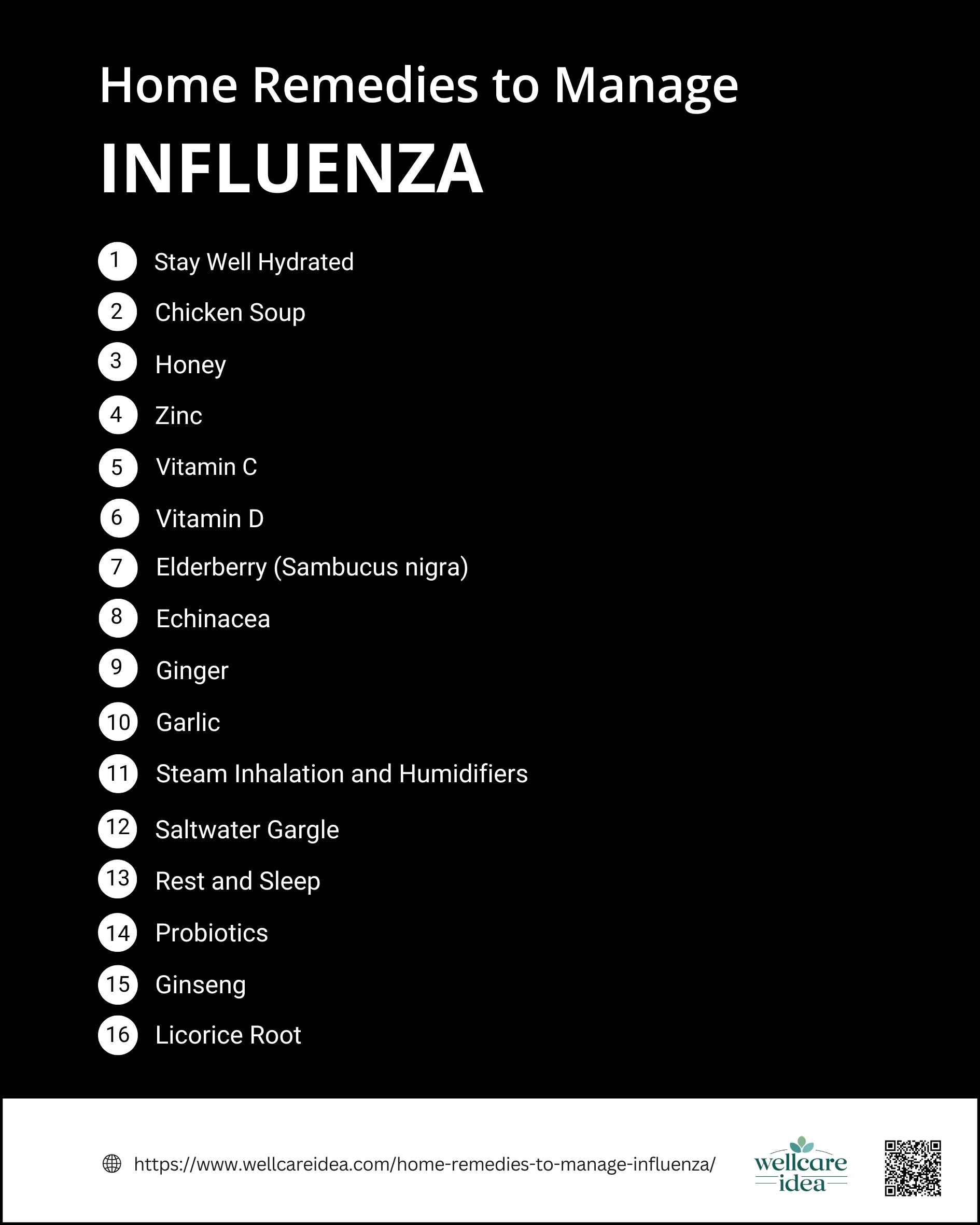 Evidence-Based Home Remedies for Influenza
While the annual flu vaccine remains the best line of defense, and antiviral medications are the standard treatment for confirmed cases, several home remedies and natural approaches may help ease your symptoms and support recovery. It is important to note that the National Center for Complementary and Integrative Health (NCCIH) states that there is currently no strong scientific evidence that any natural product is useful specifically against the flu 6 However, many of the remedies below have shown promise in easing symptoms of respiratory infections in general.
1. Stay Well Hydrated
When you have the flu, your body loses fluids through fever, sweating, and mucus production. Drinking plenty of water, herbal teas, clear broths, and electrolyte beverages helps prevent dehydration and keeps your mucous membranes moist. The Cleveland Clinic recommends staying well hydrated with warm fluids such as broth and herbal tea, which can also soothe a sore throat and help loosen nasal congestion 7 Avoid caffeinated and alcoholic beverages, as these can worsen dehydration 8
2. Chicken Soup
Your grandmother was onto something. A well-known study published in the journal Chest found that chicken soup can inhibit the movement of neutrophils (a type of white blood cell), which may help reduce upper respiratory inflammation and ease symptoms 9 According to the National Institutes of Health, chicken soup provides hydration, warmth, and nutrition all at once, and the steam can help clear nasal congestion 10 A 2025 systematic review published in Nutrients confirmed that chicken-based and vegetable-enriched soups may modestly reduce the severity and duration of acute respiratory tract infections 11 MedlinePlus notes that while chicken soup will not cure your cold, it is a safe and comforting remedy that provides fluid and nutrition during illness 12
3. Honey
Honey has natural antimicrobial properties and has been used for centuries to soothe sore throats and calm coughs. The NCCIH acknowledges that a small amount of research suggests honey may help decrease nighttime coughing in children 13 You can add honey to warm herbal tea or lemon water for a soothing drink. However, never give honey to infants under 12 months of age because of the risk of botulism 13
4. Zinc
Zinc is a mineral that plays a critical role in immune function. A meta-analysis found that zinc supplementation shortened the duration of respiratory infection symptoms substantially 14 The NCCIH reports that oral zinc taken within 24 hours of symptom onset may help reduce the length of colds 6 Zinc lozenges and syrups are the most commonly studied forms. Important safety note: intranasal zinc (nasal gels and swabs) has been linked to permanent loss of smell and should be avoided. Long-term high-dose zinc use can cause copper deficiency and other health problems 13
5. Vitamin C
Vitamin C is well known for its role in supporting the immune system. A meta-analysis found that vitamin C supplementation reduced the risk of acute respiratory infections and shortened the duration of symptoms 14 However, the NCCIH notes that taking vitamin C regularly does not significantly reduce the likelihood of catching a cold, though it was linked to small improvements in cold symptoms. The best way to get vitamin C is through your diet—citrus fruits, bell peppers, broccoli, and strawberries are all excellent sources. High-dose supplements may cause digestive discomfort 6
6. Vitamin D
Research has linked vitamin D deficiency to increased susceptibility to respiratory infections. A meta-analysis of randomized controlled trials published in Frontiers in Nutrition found that vitamin D supplementation significantly reduced the risk of influenza infections 15 Research supported by Harvard Medical School found that vitamin D helps the body fight acute respiratory infections, particularly in individuals who are deficient 16 Vitamin D acts as an immune system modulator and stimulates the production of antimicrobial peptides that help protect your respiratory tract 16 Sources include sunlight exposure, fatty fish, fortified foods, and supplements.
7. Elderberry (Sambucus nigra)
Elderberry has been used in traditional medicine for centuries to treat influenza and colds. A randomized, double-blind, placebo-controlled study found that patients taking elderberry syrup experienced symptom relief on average 4 days earlier than those on placebo 17 A 2021 systematic review concluded that elderberry is a promising intervention for reducing the severity and duration of influenza and does not appear to be associated with serious adverse effects, though the evidence base remains limited 18 Always use commercially prepared elderberry products, as raw elderberries are toxic.
8. Echinacea
Echinacea is one of the most popular herbal supplements for respiratory infections. Research has produced mixed results—some studies show modest benefits in reducing the severity and duration of cold symptoms, while others show none 6 One study found that an Echinacea-based hot drink preparation was as effective as oseltamivir in the early treatment of influenza, with a reduced risk of complications and adverse events 19 The NCCIH cautions that echinacea products vary widely and some people may experience allergic reactions 6
9. Ginger
Ginger has long been valued in traditional medicine for its anti-inflammatory and antioxidant properties. It may help soothe a sore throat, reduce nausea (a common flu symptom in children), and ease body aches. A systematic review found that herbs such as ginger, present in some soup preparations, are associated with respiratory and immune benefits 11 You can drink ginger tea by steeping fresh ginger slices in hot water, adding lemon and honey for extra soothing benefits.
10. Garlic
Garlic is widely believed to stimulate the immune system. Some evidence suggests that daily garlic consumption may help reduce the frequency of colds. The NCCIH notes that garlic can cause side effects like bad breath and body odor, and importantly, it may interact with blood-thinning medications such as warfarin 13 If you enjoy garlic, adding it to your chicken soup or meals during flu season can be a tasty way to potentially support your immunity.
11. Steam Inhalation and Humidifiers
Breathing in warm, moist air can help loosen mucus and relieve nasal congestion. You can create steam by taking a hot shower, using a cool-mist humidifier, or carefully inhaling steam from a bowl of hot water with a towel draped over your head {https://www.healthline.com/health/natural-flu-remedies; https://www.webmd.com/cold-and-flu/features/treating-flu-at-home} Keep your humidifier clean to prevent mold and mildew growth. Be cautious with very hot steam to avoid burns.
12. Saltwater Gargle
Gargling with warm salt water is a time-tested remedy that can soothe a sore throat and temporarily relieve discomfort. Simply dissolve half a teaspoon of salt in a glass of warm water and gargle several times a day 20 While this won’t cure the flu, it can provide meaningful relief from one of its most irritating symptoms.
13. Rest and Sleep
Rest is one of the most powerful tools your body has to fight infection. When you are sick with the flu, your immune system is working overtime, and rest supports this process 21 Getting a full night’s sleep (7–9 hours) helps your immune system function optimally. The WHO recommends that people with the flu should rest and drink plenty of liquids, as most will recover on their own within a week 4
14. Probiotics
Probiotics are beneficial bacteria that support gut health, which is closely linked to immune function. The NCCIH notes that a 2015 analysis of research indicated probiotics might help prevent upper respiratory tract infections, though the evidence is weak and limited 6 A review published in PubMed found that probiotics were better than placebo in reducing the number of acute upper respiratory tract infection episodes and antibiotic use 22 You can find probiotics in yogurt, kefir, and other fermented foods, or as dietary supplements.
15. Ginseng
North American ginseng (Panax quinquefolius) has been studied for its potential to prevent and treat colds and flu. One proprietary extract (COLD-fX) was found to reduce the relative risk and duration of respiratory symptoms in elderly patients during flu season 19 The NCCIH notes that ginseng may shorten the length of colds, but there is insufficient evidence to fully support its use for prevention. Long-term safety data is also limited, and ginseng may interact with blood-thinning drugs {https://www.nccih.nih.gov/health/colds-flu-and-complementary-health-approaches
16. Licorice Root
Research has shown that glycyrrhizin, a compound found in licorice root, can reduce the number of influenza A virus-infected human lung cells in laboratory studies. The antiviral activity appears to be mediated by an interaction with the cell membrane 19 However, licorice root should be used with caution, as excessive consumption can cause high blood pressure and low potassium levels.
When to See a Doctor
While home remedies can help you manage mild to moderate flu symptoms, you should seek medical attention promptly if you experience any of the following: difficulty breathing or shortness of breath, persistent chest pain or pressure, confusion or dizziness, severe or persistent vomiting, symptoms that improve but then return with worsening fever and cough, or any symptoms that concern you. People in high-risk groups should contact their healthcare provider early, as antiviral medications are most effective when started within 48 hours of symptom onset {https://www.cdc.gov/flu/about/index.html; https://my.clevelandclinic.org/health/diseases/4335-influenza-flu}
Precautions Before Using Natural Remedies
Before you reach for any herbal supplement or natural remedy, there are several important precautions you should keep in mind to protect your health and safety.
1. Always Consult Your Healthcare Provider: Talk to your doctor before starting any herbal supplement, especially if you are pregnant, breastfeeding, have chronic health conditions, or are taking prescription medications. Natural does not always mean safe, and many herbs can interact with medications or cause unexpected side effects 13
2. Watch for Drug Interactions: Several natural remedies can interact with common medications. For example, garlic and ginseng may interact with blood-thinning drugs like warfarin. Zinc may interfere with antibiotics and penicillamine. Always inform your healthcare provider about all supplements you are taking 23
3. Follow Recommended Dosages: Dietary supplements and herbal medicines should be treated as medicines with proper dosage guidelines. Long-term therapy at high doses should be avoided unless directed by a medical professional. High doses of vitamin C can cause digestive problems, and excessive zinc intake can lead to copper deficiency and reduced immunity {https://www.nccih.nih.gov/health/tips/tips-natural-products-for-the-flu-and-colds-what-does-the-science-say; https://pmc.ncbi.nlm.nih.gov/articles/PMC2700222/}
1. Use Reputable Sources: Herbal supplements are not regulated by the FDA the way prescription drugs are, which means what is on the label may not match what is inside the product. Purchase supplements from reputable manufacturers and look for third-party testing certifications 24
2. Do Not Replace Vaccines or Medical Treatment: Natural remedies should complement, not replace, proven medical treatments. The CDC and WHO consistently emphasize that annual flu vaccination is the single best method to prevent influenza and its complications{https://www.cdc.gov/flu/about/index.html; https://www.who.int/news-room/fact-sheets/detail/influenza-(seasonal)} If you have confirmed influenza and are in a high-risk group, antiviral drugs remain the most effective treatment option.
3. Avoid Giving Honey to Infants: Honey should never be given to children under 12 months old due to the risk of botulism 13
4. Avoid Intranasal Zinc Products: The FDA has warned against using intranasal zinc products (nasal gels and swabs) because they have been linked to a permanent loss of the sense of smell 13
5. Stop and Seek Help If Symptoms Worsen: If you develop new or worsening symptoms while using any natural remedy, stop using the product immediately and consult a physician. Do not delay medical care while relying solely on home treatments 24
Conclusion
Influenza is a common but potentially serious respiratory illness that affects millions of people worldwide each year. While vaccination and antiviral drugs remain the cornerstones of flu prevention and treatment, many home remedies—from staying hydrated and resting to using evidence-supported supplements like zinc, elderberry, and vitamin D—can play a supportive role in helping you manage symptoms and feel more comfortable during recovery.
Remember, no home remedy can cure the flu. The best approach is a balanced one: get your annual flu vaccine, practice good hygiene, and if you do get sick, combine rest, fluids, and any home remedies you choose with the guidance of your healthcare provider. By staying informed and taking a proactive approach to your health, you can navigate flu season with greater confidence and comfort.
References
All sources cited within this article are linked inline for easy verification. Key sources include:
1. CDC – About Influenza
2. WHO – Influenza (Seasonal) Fact Sheet
3. CDC – Signs and Symptoms of Flu
4. CDC – Types of Flu Viruses
5. Cleveland Clinic – Flu (Influenza)
6. NCBI Bookshelf – Influenza
7. Mayo Clinic – Flu Diagnosis and Treatment
8. NCCIH – Natural Products for the Flu and Colds
9. NCCIH – Colds, Flu, and Complementary Health Approaches
10. PubMed – Chicken Soup Inhibits Neutrophil Chemotaxis
11. PubMed – Oral Elderberry Extract in Influenza Treatment
12. PMC – Elderberry Systematic Review
13. PubMed – Micronutrient Supplements and Respiratory Infections Meta-analysis
14. PubMed – Vitamin D and Influenza Meta-analysis
15. Harvard Gazette – Vitamin D Protects Against Colds and Flu
16. PMC – Epidemic Influenza and Vitamin D
17. PMC – Herbal, Complementary, and Natural Therapies for Influenza
18. PMC – Dietary Supplement and Herbal Medicine Toxicities
19. Healthline – Natural Flu Remedies
20. WebMD – Treating Flu at Home
21. MedlinePlus – Chicken Soup and Sickness
22. Cleveland Clinic – What to Eat When You Have the Flu
23. Mayo Clinic Health System – Fight Off Flu with Nutrients
24. CDC – Yellow Book: Influenza
25. MDPI Nutrients – Soup and Respiratory Infections Systematic Review