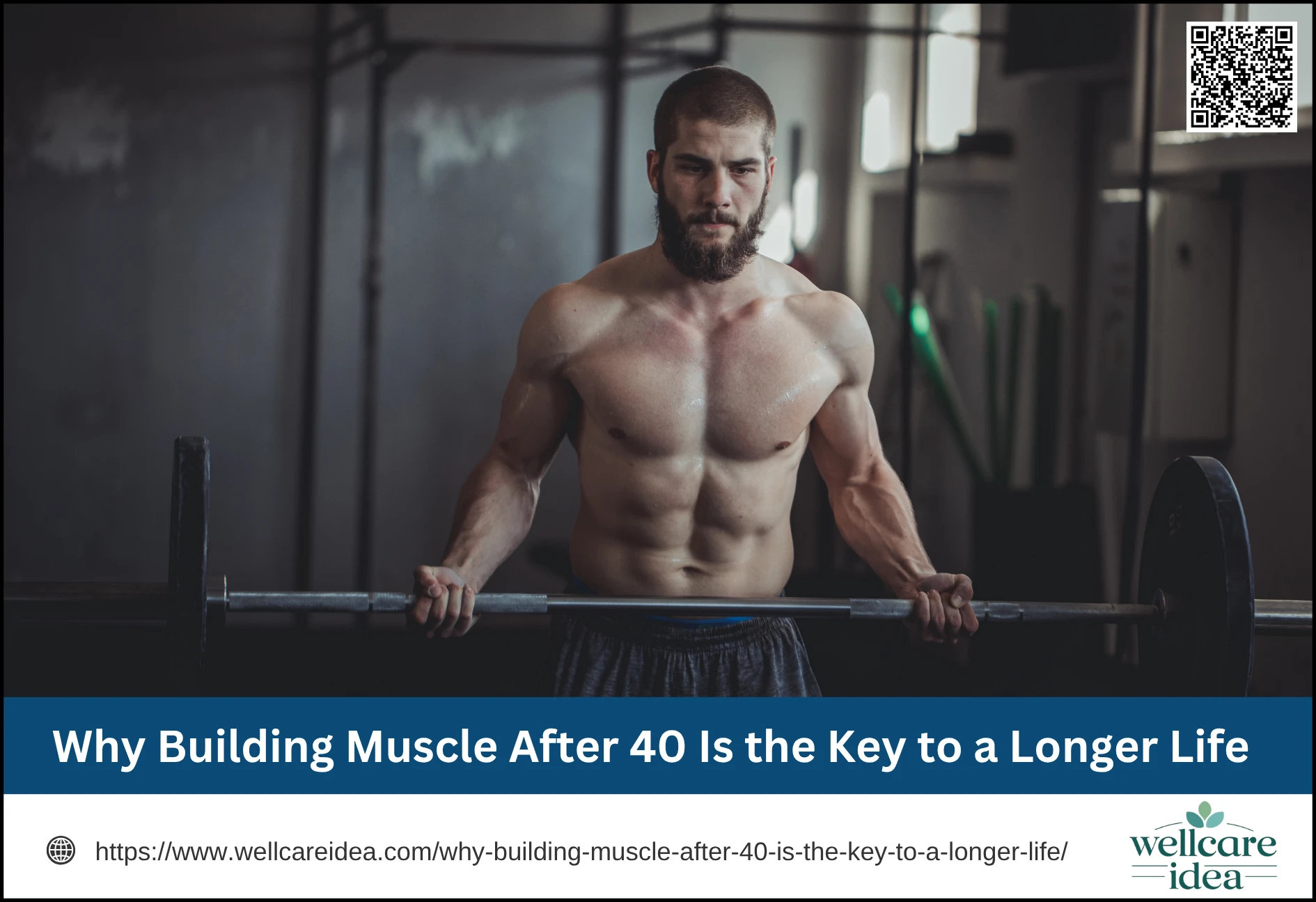
Reaching the age of 40 is often a time of reflection and new priorities, especially when it comes to health. While many people focus on cardiovascular exercise and diet, building and maintaining muscle mass is arguably one of the most crucial yet overlooked components of healthy aging. From around the age of 40, muscle mass and strength begin a gradual decline, with research estimating approximately 8% loss per decade until age 70, after which the rate of loss accelerates significantly 1 However, this decline isn’t inevitable—and combating it may be your most powerful strategy for extending both the length and quality of your life. Building muscle after 40 isn’t about achieving a sculpted physique for appearance alone; it’s a fundamental investment in your metabolic health, cognitive function, mobility, and o verall longevity 2 This article will explore the science behind why muscle is so vital and provide practical guidance for building it, no matter your starting point.
1 Boosts Metabolism
Muscle tissue is metabolically active, meaning it burns calories even when you’re at rest. This is crucial because metabolism naturally slows with age, making weight management increasingly challenging. By increasing your muscle mass, you effectively raise your basal metabolic rate—the number of calories your body needs to perform basic life-sustaining functions. This creates a more efficient metabolic engine, helping to prevent the accumulation of body fat that often occurs in midlife. Furthermore, as muscle mass increases, your body becomes better at managing energy, making it easier to maintain a healthy weight without drastic calorie restriction, which can often be counterproductive and lead to further muscle loss 3
2 Improves Bone Health
Resistance training does more than build muscle; it also builds stronger bones. When you perform weight-bearing exercises, the stress placed on your bones stimulates a process called bone remodeling, where old bone tissue is replaced with new, denser bone. This is particularly important for post-menopausal women and men over 50, who are at increased risk for osteoporosis and fractures. Studies have shown that regular strength training can help increase bone density and reduce the risk of fractures, ensuring a more mobile and independent life as you age. By supporting your skeletal system, muscle mass acts as a protective shield, enhancing your overall structural integrity and resilience.
3. Enhances Heart Health
The benefits of muscle building extend directly to your cardiovascular system. Strong muscles assist in improving circulation and reducing the workload on your heart. For individuals with cardiovascular disease, cardiac rehabilitation programs that include strength training have been shown to reduce the risk of future cardiac events and improve overall survival rates 4 Exercise training enhances muscular strength, systemic endurance, and cardiopulmonary fitness, which collectively reduce mortality in cardiovascular disease patients. By engaging in regular resistance training, you not only build muscle but also build a healthier, more resilient heart, offering powerful protection against one of the world’s leading causes of death.
4. Regulates Blood Sugar Levels
Your muscles are major consumers of the glucose (sugar) in your bloodstream. After age 40, insulin resistance can begin to develop, a condition where your cells don’t respond effectively to insulin, leading to elevated blood sugar levels and an increased risk of type 2 diabetes. Having more muscle mass provides a larger reservoir for storing glucose and improves insulin sensitivity. A 2025 randomized controlled trial demonstrated that muscle-building interventions significantly improved glycemic control and insulin resistance in older adults. The study found that these interventions led to significant improvements in blood glucose control and insulin resistance for elderly patients with type 2 diabetes and sarcopenic obesity. This makes strength training a powerful non-pharmacological strategy for metabolic health.
5. Supports Joint Health and Mobility
Strong muscles are essential for stable, well-supported joints. They act as shock absorbers and help distribute the forces exerted during daily activities, reducing wear and tear on joint cartilage. This is particularly beneficial for managing and preventing osteoarthritis, a common condition characterized by joint pain and stiffness. The World Health Organization emphasizes that exercise can strengthen the affected muscles and help mobility for those with osteoarthritis, while also helping to maintain a healthy weight to reduce stress on weight-bearing joints 5 Furthermore, improved muscle strength directly enhances balance and coordination, which is critical for preventing falls—a major cause of injury and disability in older adults. Research has confirmed that continuous and regular training programs, such as aerobics combined with resistance training, can enhance gait and postural stability 6
6. Strengthens Immune Function
A robust immune system becomes increasingly important as we age, and muscle tissue plays a surprising role in supporting immune function. Skeletal muscle acts as a reservoir for amino acids that are essential for immune cell function during times of challenge. Furthermore, muscle contraction releases special signaling molecules called myokines that help regulate immune responses. With age, the immune system undergoes a gradual decline known as immunosenescence, accompanied by chronic, low-grade inflammation called “inflammaging” 7 This process involves a decline in beneficial immune functions coexisting with chronic, maladaptive inflammation 7 While research is ongoing, maintaining muscle mass may help support a more balanced immune response, potentially leading to fewer infections and a better response to vaccinations.
7. Improves Mental Health and Cognitive Function
The connection between physical strength and mental well-being is powerful. Resistance training is a proven mood booster, helping to alleviate symptoms of depression and anxiety through the release of endorphins and other neurochemicals. More remarkably, building muscle has direct benefits for your brain. A 2025 study found that older adults with mild cognitive impairment who engaged in weight training showed actual improvements in memory testing and healthier brain neurons on MRI scans compared to a non-exercising group 8 The researchers theorized that strength training may produce various neuroprotective and anti-inflammatory factors that benefit the brain 8 A separate longitudinal study found that muscle mass has a major predictive effect on cognitive trajectory, suggesting that maintaining muscle mass above gender-specific thresholds may help slow cognitive decline 9
8. Promotes Longevity
Ultimately, the cumulative benefits of muscle building converge on one key outcome: a longer, healthier life. Low lean mass is not just a matter of physical weakness; it is a serious health risk. A comprehensive 2025 meta-analysis of 11 studies concluded that low lean mass was significantly associated with a 30% higher risk of all-cause mortality in middle-aged and older populations. The analysis revealed an inverse non-linear dose-response relationship between lean mass and the risk of all-cause mortality, meaning that as lean mass decreases, mortality risk increases at an accelerating rate. This powerful evidence underscores that preserving muscle mass is as critical for longevity as managing blood pressure or cholesterol.
How to Build Muscle After 40
Building muscle after 40 is absolutely achievable with the right approach. The UK guidelines recommend muscle-strengthening exercises for all major muscle groups at least twice a week. Effective strength training doesn’t require becoming a bodybuilder; it can involve:
- Bodyweight exercises like squats, push-ups, and lunges
- Resistance bands for convenient home workouts
- Free weights (dumbbells, kettlebells) or weight machines
- Yoga and Pilates for functional strength and flexibility
Aim for progressive overload, which means increasing the number of sets in each workout or gradually adding more resistance as you get stronger 10 Consistency is far more important than intensity. Even two 30-minute strength sessions per week can yield significant benefits if performed regularly.
Nutrition is equally crucial. Adequate protein intake provides the building blocks for muscle repair and growth. Professor Leigh Breen, an expert in skeletal muscle physiology, emphasizes that adequate protein, plus carbs and healthy fats, fuel your exercise, accelerate recovery and support how your body adapts. A 2025 study on muscle-building interventions highlighted that resistance training and adequate supplementation of high-quality protein are effective interventions to increase muscle mass and function in the elderly population.
Common Challenges and How to Overcome Them
It’s normal to face obstacles when starting a muscle-building journey after 40. Here’s how to address common challenges:
- “I don’t have time.” → Remember that even short workouts count. Two 20-30 minute sessions per week can be highly effective. Incorporate “exercise snacks” throughout your day.
- “I’m too out of shape to start.” → Everyone begins somewhere. Start with minimal resistance (even bodyweight or light resistance bands) and focus on proper form. Consider consulting a physical therapist or qualified trainer for guidance.
- “Recovery takes longer.” → This is normal. Allow at least 48 hours between working the same muscle groups. Prioritize sleep and proper nutrition to support recovery.
- “I have an existing health condition.” → Many conditions actually benefit from strength training. Consult your healthcare provider for personalized advice and any necessary modifications.
The most important thing is to start and be consistent. Professor Breen notes that even late starters can dramatically reduce their disease risk in a short time.
Conclusion
Building and maintaining muscle after 40 transcends aesthetics; it is a fundamental pillar of preventive health care and a powerful determinant of how well and how long you live. From boosting your metabolism and strengthening your bones to protecting your heart, sharpening your mind, and strengthening your immune system, muscle mass is a critical tissue that influences nearly every aspect of your healthspan and lifespan. The scientific evidence is clear: preserving muscle is essential for vitality and longevity. While the journey requires consistency in resistance training and attention to nutrition, the payoff is immense—a stronger, healthier, and more independent future. It’s never too late to start investing in your muscular health, and every small effort you make today will compound into significant benefits for years to come 2