
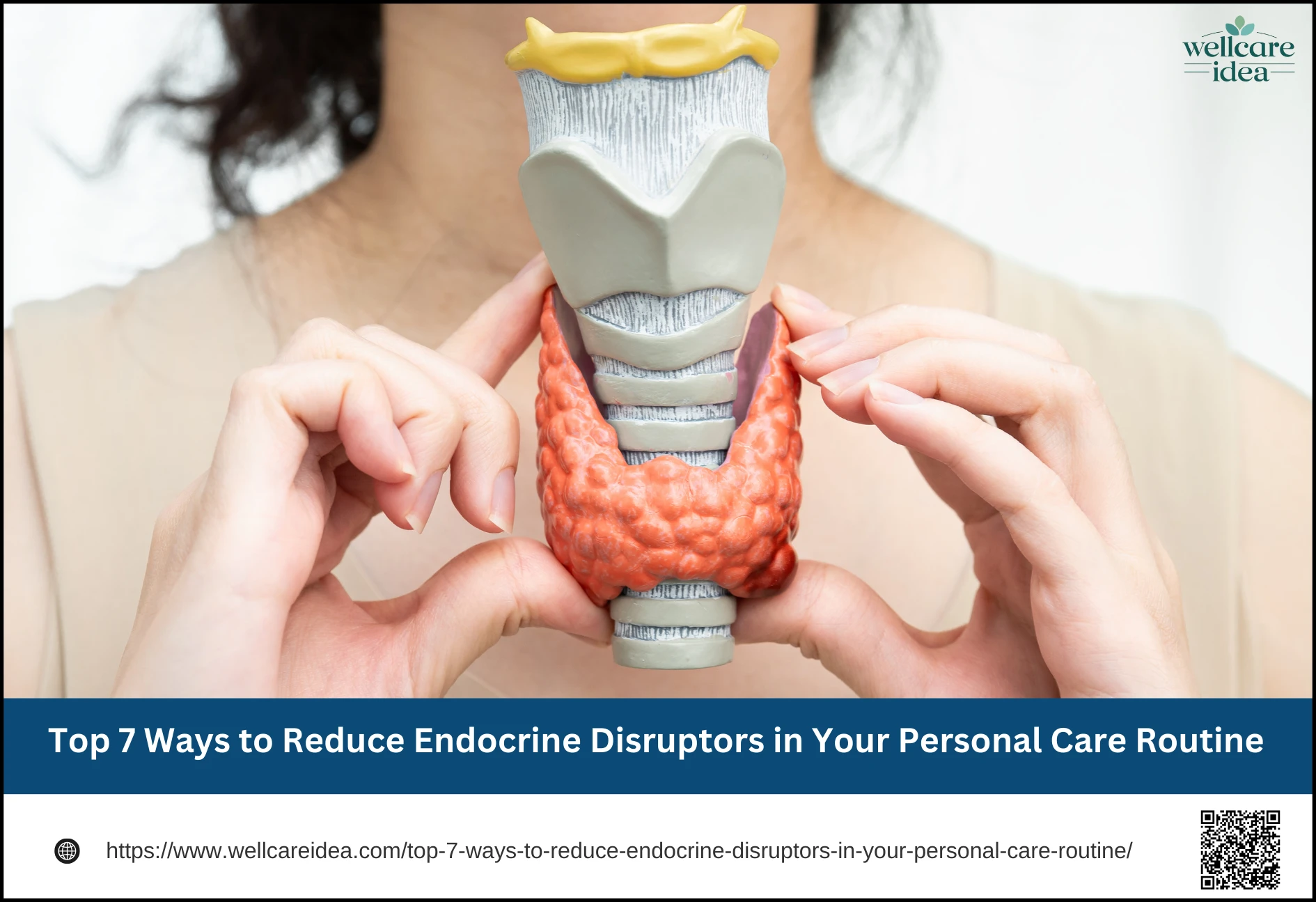
Understanding Endocrine Disruptors
Your endocrine system is a delicate messaging network, using hormones to regulate everything from metabolism and sleep to reproduction and mood. Endocrine disruptors are chemicals that can interfere with this system. They may mimic, block, or alter natural hormones, potentially leading to a cascade of health issues. In personal care, they’re alarmingly common, hiding in everyday products like shampoos, lotions, and cosmetics under names like parabens (preservatives), phthalates (often in synthetic fragrances and nail polish), and “fragrance” itself, which can be a cocktail of undisclosed chemicals. Reducing exposure is a crucial step in preventative health, as even low-dose, long-term contact has been linked by research to concerns regarding fertility, developmental problems, and certain cancers. By becoming a conscious consumer, you support not only your own long-term well-being but also demand safer products from the industry 1
1. Read Labels Carefully
Becoming a label detective is your first defense. Start by scanning ingredient lists for notorious offenders: parabens (methylparaben, propylparaben), phthalates (DEP, DBP, DEHP), triclosan, and the umbrella term “fragrance” or “parfum.” This last term is a major loophole, allowing manufacturers to hide hundreds of synthetic compounds, including potential disruptors, under one label. Don’t be swayed by “natural” or “clean” marketing on the front; always verify the list. Resources like the Environmental Working Group’s (EWG) Skin Deep® database or the Think Dirty app allow you to quickly scan barcodes or search products for safety ratings and detailed ingredient breakdowns, empowering you to make informed swaps.
2
2. Choose Fragrance-Free or Naturally Scented Products
“Synthetic fragrance” is a primary source of phthalates, which are used to make scents last longer. These chemicals are linked to endocrine disruption and can trigger allergies or asthma. Opting for products labeled “fragrance-free” or “unscented” (but check for masking fragrances) eliminates this risk. For those who enjoy a sensory element, seek out products scented only with natural essential oils. The transition can be refreshing; you’ll often discover the true, gentle scent of the base ingredients. To ease the shift, try adding a drop of your favorite pure essential oil to an unscented lotion or using a naturally scented soap, allowing you to enjoy aroma without the hidden chemical cost 1
3. Opt for Organic and Non-Toxic Alternatives
Choosing certified organic and non-toxic personal care products significantly reduces your chemical burden. USDA Organic or COSMOS Organic certifications ensure ingredients are grown without synthetic pesticides and that processing is strictly regulated. Look for verification seals from trusted third parties like EWG Verified or MADE SAFE®, which screen for entire classes of chemicals of concern, including endocrine disruptors. Prioritize products with simple ingredient decks featuring safe, recognizable components like shea butter, coconut oil, aloe vera, zinc oxide (in sunscreens), and mineral pigments. These alternatives nourish your body without forcing it to process a cocktail of synthetic chemicals daily, benefiting both personal and environmental health.
3, 4
4. Minimize Use of Plastic Packaging
Chemicals in plastic, such as BPA, BPS, and phthalates, can leach into your personal care products, especially in heat or over time. To reduce exposure, choose products packaged in glass, metal, or certified BPA-free plastics. Support brands that offer refill programs for their metal or glass containers. For DIY solutions or bulk purchases, store items like homemade scrubs or purchased oils in glass jars with stainless steel lids. Simple actions like transferring a plastic-bottled lotion to a glass pump bottle on your counter can minimize leaching risk and reduce plastic waste—a win for your health and the planet.
5. Simplify Your Routine
More products mean more potential exposure points. A powerful strategy is to “streamline and simplify.” Audit your current routine: do you need 10 separate products, or can a high-quality multipurpose balm replace separate cuticle oil, lip balm, and brow gel? Could a gentle facial oil serve as both moisturizer and makeup remover? Reducing the sheer number of items you use lowers your cumulative, daily “body burden” of chemicals. Focus on the essentials that serve your health and well-being, prioritizing efficacy and safety over cosmetic variety. This minimalist approach is often gentler on your skin, wallet, and the environment 5
6. Be Cautious with Hair and Nail Products
Hair dyes, straighteners, nail polishes, and certain styling products are frequent culprits for harsh chemicals. Common endocrine disruptors here include formaldehyde (a known carcinogen in some straighteners), toluene (in nail polish and hair dyes), and dibutyl phthalate (DBP). Seek out salons that use ammonia-free, PPD-free dyes and brands that advertise “10-Free,” “12-Free,” or similar on their nail polishes, indicating the absence of these and other toxins. Always ensure excellent ventilation when using these products at home. For styling, explore water-based gels and plant-derived hairsprays as safer alternatives to aerosolized chemical cocktails.
6 , 7
7. Avoid Antibacterial and Harsh Chemical Agents
The quest for “germ-free” can introduce potent endocrine disruptors. Triclosan, common in antibacterial soaps and some sanitizers, is widely linked to hormone disruption and may contribute to antibiotic resistance. For daily hygiene, plain soap and water are just as effective. Choose gentle, plant-based cleansers with antibacterial properties like tea tree oil, thyme, or citrus extracts if desired. Harsh surfactants (like some sulfates) and alcohols can also strip the skin’s natural barrier, potentially increasing the absorption of other chemicals. Opting for milder formulas supports your skin’s microbiome and long-term health by reducing the inflammatory and disruptive load on your body.
8 , 9
Take Small Steps for Long-Term Health
Reducing endocrine disruptors is about progress, not perfection. Start by implementing one or two changes from this list—perhaps reading labels this week and swapping a synthetic fragrance next month. This gradual approach is sustainable and prevents overwhelm. Remember, each safer choice you make reduces your cumulative exposure, supporting your endocrine system’s natural balance over a lifetime. Your health is an investment, and these mindful steps in your personal care routine are powerful, daily deposits toward long-term vitality and well-being.