
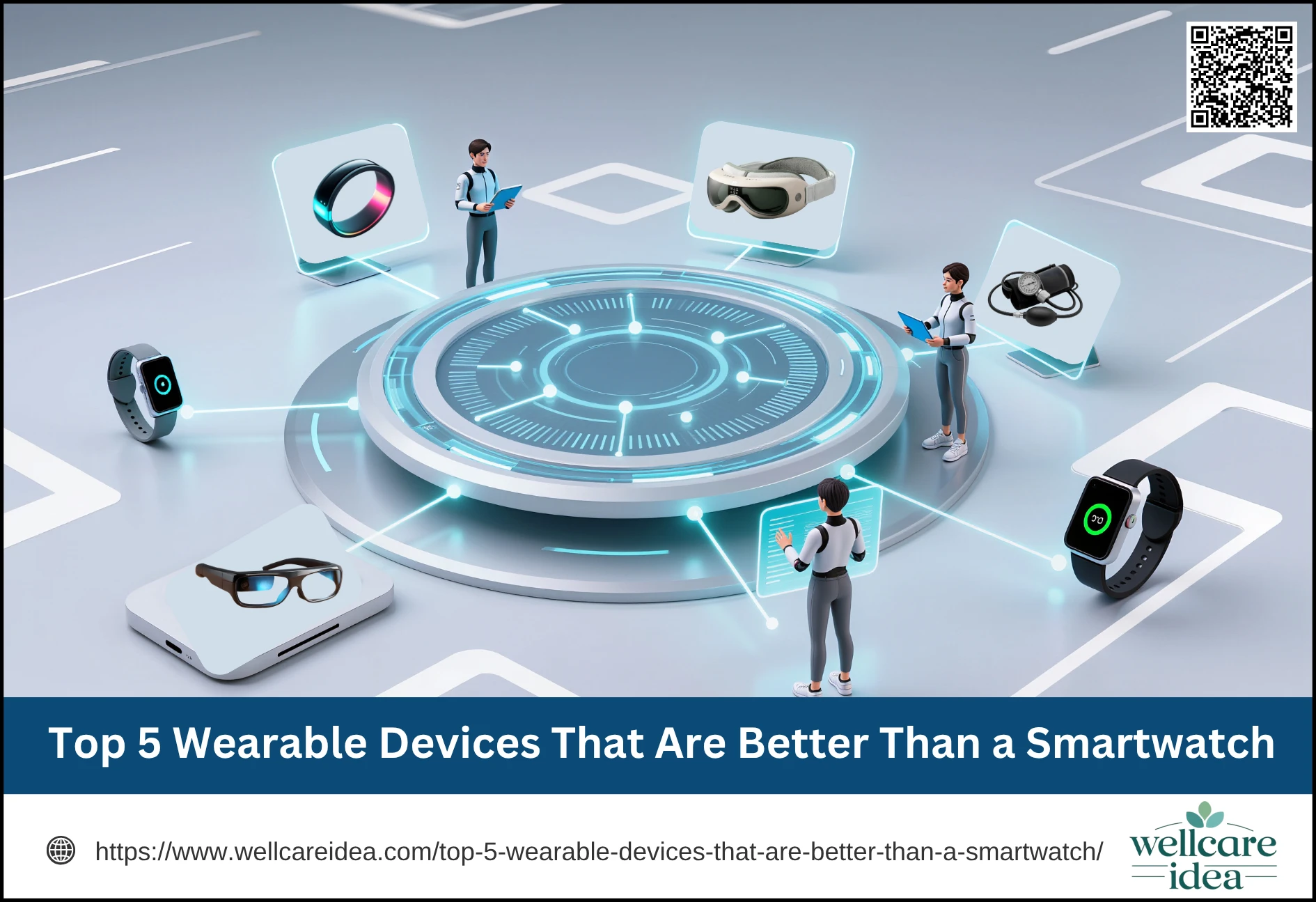
Wearable technology has undergone a remarkable transformation, evolving from basic pedometers and digital watches to sophisticated devices capable of complex health monitoring and augmented reality experiences 1 The global wearable technology market has experienced explosive growth, with revenues expected to reach $265 billion by 2026 and over 1.1 billion devices currently in use worldwide. This evolution represents a significant convergence of advanced sensors, artificial intelligence, and seamless connectivity that is fundamentally reshaping how we monitor our health, enhance productivity, and interact with the digital world 1 Traditional smartwatches, while popular, come with notable limitations that have become increasingly apparent as wearable technology advances. These constraints include relatively short battery life often requiring daily charging, bulky designs that can be uncomfortable for 24/7 wear, and sometimes distracting constant notifications that can disrupt daily life rather than enhance it. These limitations have created opportunities for more specialized wearable devices that surpass smartwatches in specific functionalities and use cases. As we progress through 2025, we’re witnessing a fascinating diversification in wearable technology, with devices evolving to become smaller, more stylish, and more seamlessly integrated into our daily lives 1 This article will explore how certain wearable alternatives are surpassing smartwatches in functionality by focusing on specialized metrics, improved user experience, and advanced health monitoring capabilities that address the specific limitations of traditional smartwatches. We will examine five categories of wearable devices that offer superior performance in their respective specialties, providing consumers with compelling alternatives that may better align with their health, wellness, and lifestyle goals.
Who Should Consider Alternatives to Smartwatches?
While smartwatches appeal to a broad audience, several specific user groups may find specialized wearables better suited to their needs. Fitness enthusiasts and athletes seeking advanced performance metrics represent one key demographic that often benefits from alternatives. These users require detailed insights into training load, recovery status, and physiological markers that exceed the capabilities of most general-purpose smartwatches. Similarly, health-conscious individuals and patients managing chronic conditions may find specialized medical wearables more appropriate for their needs. Those focused on preventive healthcare or requiring clinical-grade monitoring for conditions like cardiovascular issues or diabetes often need more accurate and comprehensive data than standard smartwatches provide. Another group that might prefer alternatives includes tech-savvy users seeking unique features beyond basic notifications. These consumers are often interested in emerging technologies like augmented reality, advanced biometric sensors, and specialized functionality that typical smartwatches have not yet fully integrated. People prioritizing mental health and sleep quality represent another demographic that may find specialized wearables more beneficial. Those looking for detailed sleep analysis, stress tracking, and meditation support often discover that dedicated devices offer more sophisticated insights in these areas than general smartwatches. Finally, casual users wanting longer battery life or less intrusive devices often find themselves frustrated with the daily charging requirements and constant notifications associated with many smartwatches. For these individuals, devices with extended battery life and more passive tracking capabilities can provide a better user experience while still delivering valuable health and activity insights.
1. Fitness Trackers with Advanced Health Metrics
For those seeking deeper health insights than standard smartwatches provide, advanced fitness trackers from brands like WHOOP, Fitbit, and Garmin offer specialized monitoring capabilities that often surpass what conventional smartwatches can deliver. These devices have evolved from simple step counters to comprehensive health monitoring systems capable of tracking dozens of metrics, including heart rate variability, blood oxygen levels, stress indicators, and sleep quality with impressive accuracy. Unlike smartwatches that try to be all things to all users, these specialized fitness trackers focus specifically on delivering comprehensive health data and actionable insights for those serious about understanding their physiology. The WHOOP 4.0 stands out in this category with its unique approach to recovery and strain monitoring. This screenless fitness band is designed for 24/7 wear and focuses specifically on strain, recovery, and sleep, providing in-depth insights into how your body is performing. Rather than simply tracking activities, WHOOP’s personalized coaching helps optimize workouts and rest, preventing overtraining and burnout—a feature that exceeds the capabilities of most smartwatches. Similarly, Fitbit’s advanced trackers like the Charge series offer comprehensive health monitoring that rivals more expensive smartwatches. These devices provide continuous heart rate monitoring, sleep stage analysis, and personalized readiness scores that help users make informed decisions about their daily activity levels. The Garmin Vivosmart series brings the company’s renowned fitness expertise to a more compact form factor, offering advanced metrics like Body Battery energy monitoring, stress tracking, and advanced sleep monitoring with sleep score analysis. These specialized fitness trackers offer several distinct advantages over traditional smartwatches. Their lightweight, unobtrusive designs encourage 24/7 wear, leading to more consistent data collection, particularly during sleep. They typically provide longer battery life than most smartwatches, with many devices lasting a week or more on a single charge. Most importantly, they deliver more advanced health metrics and interpretations specifically tailored for fitness enthusiasts and athletes, with algorithms designed to translate raw data into actionable insights for performance improvement and recovery optimization.
2. Smart Rings
As wearable technology continues to evolve, smart rings have emerged as a compelling alternative to smartwatches, offering a combination of discreet design and sophisticated health tracking capabilities. These compact devices represent a significant shift toward minimalism in wearable technology, providing many of the same features as bulkier wrist-worn devices without compromising style or comfort 1 Leading this category are devices like the Oura Ring, which has set the benchmark for health tracking in the form factor, providing in-depth sleep analysis and readiness scores based on daily activity 2 The recently launched Oura Ring Gen 4 continues this tradition of excellence, focusing specifically on sleep, readiness, and overall wellness tracking using sophisticated metrics including heart rate variability, temperature trends, and movement analysis. Similarly, Samsung’s Galaxy Ring has entered the market with strong ecosystem integration, particularly for Android users, offering seamless connectivity with Galaxy smartphones and the broader Samsung ecosystem 1 Other notable contenders include brands like Ultrahuman, which offer their own unique approaches to the smart ring concept, providing users with multiple options in this growing category. Smart rings offer several distinct advantages over traditional smartwatches that make them particularly appealing for certain users. The discreet, minimalist design allows for 24/7 wear without drawing unnecessary attention or interfering with daily activities, making them significantly less obtrusive than wrist-worn devices 1 This compact form factor belies impressive technical capabilities, with smart rings providing detailed sleep, readiness, and activity tracking that often surpasses the accuracy of smartwatches, particularly for overnight wear. The form factor naturally lends itself to extended battery life, with most smart rings lasting several days to a week on a single charge—far outperforming the daily recharge cycle of most smartwatches. Perhaps most importantly, smart rings offer comprehensive health insights without the constant notifications that can make smartwatches distracting, providing a more passive but effective approach to health monitoring that works seamlessly in the background of daily life {https://www.ncbi.nlm.nih.gov/pmc/articles/PMC10204632/} As smart rings continue to evolve with improved AI personalization, they’re poised to become even more sophisticated, offering context-aware notifications, automatic fitness adjustments, and seamless integration with other smart devices.
3. Wearable ECG and Blood Pressure Monitors
For individuals with specific cardiovascular concerns or those seeking clinical-grade heart monitoring, specialized wearable ECG and blood pressure monitors offer significant advantages over standard smartwatches. These devices represent the intersection of consumer wearable technology and medical-grade monitoring equipment, providing accuracy and reliability that often surpasses the capabilities of general-purpose smartwatches. Notable examples in this category include the Omron HeartGuide, which is the first wearable blood pressure monitor to receive FDA clearance, and the Withings ScanWatch 2, which combines the elegant design of a hybrid watch with medical-grade ECG and oxygen saturation monitoring 1 These devices, along with other FDA-approved wearables like the KardiaMobile 6L for personal ECG monitoring and Apple Watch’s FDA-cleared ECG app for irregular heart rhythm detection, provide users with access to professional-grade health insights that were previously only available in clinical settings. The key benefits of these specialized devices over standard smartwatches are substantial for those focused on cardiovascular health. They provide clinically accurate ECG readings that can detect atrial fibrillation and other irregular heart rhythms with precision comparable to traditional medical equipment. Some devices offer ambulatory blood pressure monitoring that allows users to track their readings throughout the day and identify patterns that might be missed during occasional clinical measurements 3 This capability for extended cardiac monitoring enables the detection of intermittent arrhythmias that might not appear during brief clinical ECGs, providing valuable data for diagnosis and management of heart conditions. These specialized wearables are particularly valuable for remote patient monitoring, allowing healthcare providers to track patients’ cardiovascular health between visits and potentially reduce hospital readmissions through early intervention 1 While some smartwatches include basic ECG functionality, these dedicated monitoring devices typically offer more comprehensive data collection, clinical validation, and specialized features designed specifically for cardiovascular health management, making them superior choices for users with specific heart health concerns or those requiring medical-grade monitoring for chronic conditions.
4. Wearable Sleep and Stress Management Devices
While most smartwatches offer basic sleep tracking functionality, specialized wearable devices designed specifically for sleep analysis and stress management provide significantly more detailed insights and actionable recommendations. These dedicated devices represent a specialized category of wearables that focus on comprehensive mental wellness and sleep quality monitoring, areas that are often secondary features on general-purpose smartwatches. Prominent examples in this category include the Muse Headband, which utilizes electroencephalography (EEG) to track brain activity during meditation and sleep, providing real-time feedback to help users improve their practice and achieve deeper states of relaxation 1 Similarly, the Dreem Headband employs advanced sensor technology to monitor sleep architecture and provide personalized recommendations for sleep improvement, going far beyond the basic sleep stage tracking offered by most smartwatches. Even smart rings like the Oura Ring have gained significant recognition for their exceptional sleep tracking capabilities, leveraging their comfortable, unobtrusive design to collect more accurate overnight data than typically achievable with bulkier wrist-worn devices. These specialized sleep and stress management devices offer several distinct advantages over traditional smartwatches. They utilize advanced biometric sensors that track brainwaves, heart rate variability, and other signals that most smartwatches cannot reliably monitor during sleep, providing a more comprehensive picture of sleep quality and physiological states 1 Many of these devices offer guided breathing exercises, meditation sessions, and stress relief programs integrated directly into the device experience, creating a holistic approach to mental wellness that extends beyond simple data collection. They typically provide data-backed insights and personalized recommendations specifically tailored for improving mental health and sleep quality, with algorithms designed by neuroscientists and sleep specialists rather than general-purpose software engineers. The specialized form factors of these devices, often designed specifically for sleep comfort, encourage consistent use during rest when wearing a smartwatch might be uncomfortable or impractical 1 As mental health awareness continues to grow, these dedicated sleep and stress management wearables are increasingly outperforming smartwatches in their specialized domain, offering sophisticated monitoring and intervention capabilities that address the growing consumer interest in comprehensive wellness beyond simple activity tracking.
5. Smart Glasses and AR Wearables
For tech enthusiasts and professionals seeking hands-free functionality and immersive experiences, smart glasses and augmented reality (AR) wearables represent a compelling alternative to traditional wrist-worn devices. These devices are experiencing significant advancements in 2025, moving beyond the realm of niche enthusiasts and into the mainstream as major tech companies refine their offerings to be more practical, stylish, and user-friendly. Leading products in this category include the Ray-Ban Meta Smart Glasses, which blend fashionable design with practical features like integrated cameras for content creation and AI-driven assistance for natural language interaction 1 The Apple Vision Pro represents the high-end of mixed reality devices, redefining the category by blending virtual and augmented elements into a sophisticated headset designed for both work and entertainment, though at a premium price point. Companies like Vuzix with their Blade smart glasses focus on industrial and enterprise applications, while Xreal (formerly Nreal) offers more affordable AR glasses that provide practical applications like real-time translations and hands-free navigation 1 These advanced wearables offer several significant benefits over traditional smartwatches. They provide truly hands-free notifications and information access, allowing users to receive messages, directions, and alerts without constantly looking at their wrist or pulling out their smartphone. They enable immersive augmented reality experiences that overlay digital information onto the real world, creating interactive environments for gaming, education, and professional training that simply cannot be replicated on a smartwatch screen1 They offer seamless integration with navigation, media, and productivity tools, transforming how users interact with digital content in their daily lives and workflows. For enterprise and professional users, these devices are becoming increasingly valuable tools for remote assistance, interactive training, and accessing real-time information while keeping hands free for other tasks 1 While smart glasses and AR wearables face ongoing challenges related to battery life, social acceptance, and design refinement, they offer a fundamentally different approach to wearable technology that extends far beyond the capabilities of screen-constrained smartwatches, particularly for users whose needs prioritize immersive experiences, hands-free operation, and spatial computing capabilities.
How to Choose the Right Wearable for You
Selecting the ideal wearable device requires careful consideration of your specific needs, preferences, and lifestyle. Rather than automatically opting for a smartwatch by default, taking a more thoughtful approach to evaluating alternatives can lead to a more satisfying and useful long-term wearable experience. The first and most important factor to consider is your primary purpose and intended use for the device. Are you primarily interested in advanced fitness tracking, comprehensive health monitoring, improved sleep quality, hands-free productivity, or a combination of these functions. Identifying your main objectives will immediately help narrow the field of potential devices, as different wearables excel in different specialized areas. Battery life and charging requirements represent another crucial consideration that varies significantly across wearable categories. If you prefer a device that can operate for extended periods without frequent charging, smart rings and specialized fitness trackers typically offer superior battery performance compared to most smartwatches, with many lasting several days to weeks on a single charge. Comfort and wearability should also factor significantly into your decision, particularly if you plan to wear the device continuously, including during sleep. The discreet, lightweight designs of smart rings and some specialized fitness trackers often provide greater comfort for 24/7 wear compared to bulkier smartwatches. Device compatibility and ecosystem integration are especially important considerations, as some wearables function optimally only with specific operating systems or smartphone brands. Finally, establishing a realistic budget while considering long-term value will help guide your decision, as some specialized wearables may require subscription services to access their full range of features and insights. The table below provides a quick comparison of the key wearable categories to help inform your decision:
| Device Category | Best For | Battery Life | Key Advantages |
| Advanced Fitness Trackers | Athletes, fitness enthusiasts | 1-2 weeks | Advanced metrics, lightweight design |
| Smart Rings | 24/7 health monitoring, sleep tracking | Several days to a week | Discreet, comfortable, excellent sleep data |
| Medical ECG Monitors | Cardiovascular health, clinical accuracy | Varies (days to weeks) | Medical-grade accuracy, FDA approval |
| Sleep & Stress Devices | Mental wellness, sleep optimization | Varies by device | Advanced brainwave tracking, guided exercises |
| Smart Glasses | Hands-free productivity, AR experiences | Typically 1 day | Immersive experiences, spatial computing |
Conclusion
The wearable technology landscape has diversified significantly, offering compelling alternatives that surpass traditional smartwatches in specific functionalities and use cases 1 As we’ve explored, specialized devices including advanced fitness trackers, smart rings, medical-grade monitors, sleep and stress management tools, and smart glasses each provide unique advantages that may better serve particular user needs and preferences. The evolution of wearable technology continues to bring more sophisticated, specialized, and seamless options to consumers, enabling more personalized approaches to health monitoring, fitness optimization, and digital interaction. This diversification represents a significant shift from the one-size-fits-all approach that characterized the early years of wearable technology, acknowledging that different users have different priorities and requirements from their devices. When selecting a wearable, the most important consideration is how well the device’s specific capabilities align with your individual health goals, lifestyle preferences, and practical needs. Rather than defaulting to the most popular or familiar option, taking the time to evaluate specialized alternatives can lead to a more satisfying and beneficial long-term relationship with your chosen wearable device. As technology continues to advance, we can expect further specialization and refinement across all categories of wearables, providing even more targeted solutions for specific user needs and solidifying the role of specialized wearables as valuable tools for health management, performance optimization, and enhanced daily functioning.