
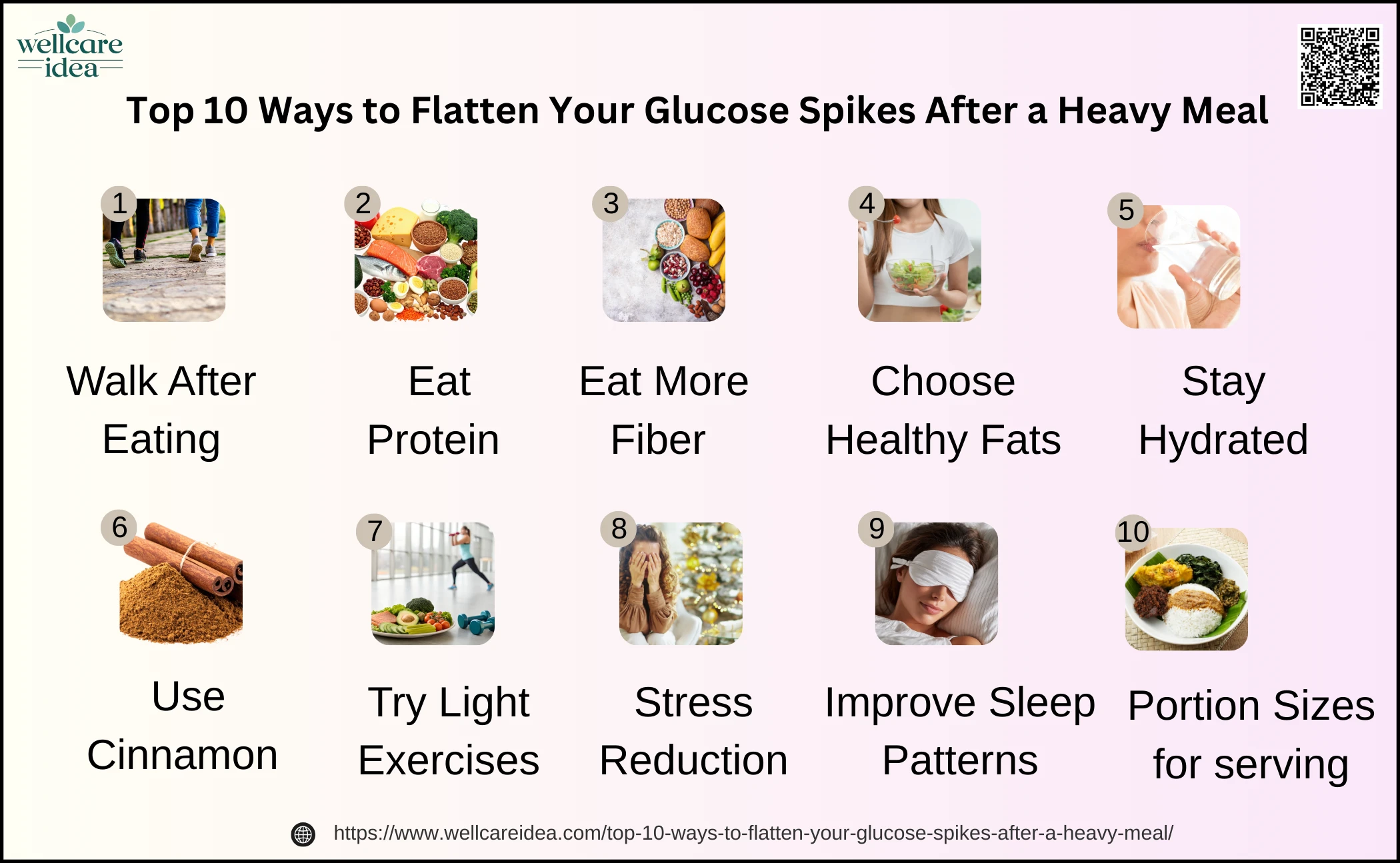
Why Glucose Spikes Matter
After enjoying a heavy, carbohydrate-rich meal, you might experience a quick surge in your blood sugar levels, commonly called a glucose spike. This is a normal physiological process where your body breaks down carbohydrates into glucose, which then enters your bloodstream. However, when these spikes are too frequent or too high, they can negatively affect your health. In the short term, they can leave you feeling tired, sluggish, and mentally foggy. Over time, consistently high glucose spikes challenge your body’s insulin response and can contribute to increased fat storage, insulin resistance, and a higher risk of developing type 2 diabetes and heart disease 1 The good news is that you have significant power to influence this process. By understanding a few science-backed principles, you can adopt simple, practical habits to help flatten those sharp peaks, leading to more stable energy and supporting your long-term metabolic health.
What Happens In Your Body After A Heavy Meal?
Digestion is the starting point for your body’s blood sugar response. When you eat carbohydrates—whether from bread, rice, fruit, or sweets—your digestive system breaks them down into simple sugars, primarily glucose. This glucose then passes from your intestines into your bloodstream, signaling your pancreas to release the hormone insulin. Think of insulin as a key that unlocks your cells, allowing glucose to enter and be used for energy or stored for later use. The crucial difference lies in the speed of this process. A meal high in refined carbohydrates, like white bread or sugary drinks, is digested very quickly, causing a rapid, sharp spike in blood glucose and a corresponding surge in insulin. In contrast, a balanced meal with fiber, protein, and healthy fats digests more slowly. This results in a slower, steadier release of glucose into your blood, which is easier for your body to manage without overworking your insulin system.
Top 10 Ways to Flatten Your Glucose Spikes
Managing your blood sugar doesn’t require extreme measures. Here are ten effective, research-supported strategies you can incorporate into your daily life.
1. Go For A 10–20 Minute Walk After Eating
One of the simplest and most immediate actions you can take is to move your body after a meal. Light physical activity, such as walking, helps your muscles use glucose for fuel, pulling it out of your bloodstream. Research indicates that even a short, 15-minute walk after eating can significantly improve blood sugar control over the following 24 hours 2 This post-meal movement can be more effective for managing the immediate glucose response than a single, longer workout at another time of day. You don’t need to run; a leisurely stroll around the neighborhood, doing some light chores, or even pacing while on a phone call can yield benefits. The key is to avoid sitting or lying down continuously after eating.
2. Prioritize Protein and Vegetables Before Carbs
The order in which you eat the foods on your plate can dramatically change your glucose response. Studies show that eating protein and non-starchy vegetables before you consume carbohydrates can significantly lower post-meal blood sugar and insulin spikes. In one study, saving carbohydrate-rich food for last reduced the glucose peak by over 40% compared to eating the carbs first 3 The science behind this is straightforward: protein, fat, and the fiber from vegetables slow down the emptying of your stomach and the digestion of subsequent foods. This creates a “buffer” that slows the rush of glucose into your bloodstream when you finally eat the carbohydrates. For your next meal, try starting with a salad, some grilled chicken, or other vegetables before moving on to the rice, pasta, or potatoes.
3. Add More Fiber To Your Meal
Fiber is a powerhouse for blood sugar stability. It is a type of carbohydrate that your body cannot digest, so it doesn’t convert into glucose. Instead, soluble fiber forms a gel-like substance in your gut that slows the digestion and absorption of other carbohydrates 4 This results in a slower, gentler rise in blood sugar. Excellent sources of soluble fiber include oats, beans, lentils, apples, and carrots. Making simple upgrades, like choosing whole-grain bread over white, adding a handful of beans to your salad, or snacking on fruit with the skin on, are easy ways to increase your fiber intake and help manage glucose levels.
4. Choose Healthy Fats
Incorporating healthy fats into your meal is another effective strategy to slow digestion and blunt glucose spikes. Fats take longer to digest than carbohydrates, which helps moderate the pace at which food moves through your entire digestive system. When carbohydrates are absorbed more slowly, glucose enters the bloodstream at a steadier rate. Focus on including sources of unsaturated fats like avocados, nuts, seeds, and olive oil. For example, dressing a salad with olive oil-based vinaigrette or adding avocado slices to a meal not only enhances flavor but also provides this blood sugar-stabilizing benefit 5 It’s wise to limit unhealthy saturated and trans fats often found in processed and fried foods.
5. Stay Hydrated with Water
Reaching for water instead of a sugary beverage is a critical choice for glucose control. Sugary drinks like soda, sweetened coffee, and many fruit juices deliver a large dose of rapidly absorbed sugar straight into your system, which can cause a sharp glucose spike 6 These “liquid calories” are also less filling than solid food, making it easy to consume excess sugar and carbohydrates. A glass of water with your meal has zero impact on your blood sugar. Some research also points to a potential benefit from vinegar; a small amount (like a tablespoon of apple cider vinegar diluted in water) before a meal may improve insulin sensitivity and lower the glucose response 7 However, always dilute vinegar to protect your tooth enamel and consult a doctor if you have acid reflux.
6. Use Cinnamon or Berberine (With Caution)
Certain natural compounds have shown promise in supporting blood sugar metabolism. For instance, cinnamon has been studied for its potential to improve insulin sensitivity and help cells take up glucose more effectively 8 Another supplement, berberine, has demonstrated benefits in improving insulin resistance in clinical studies 9 It is crucial to approach supplements with caution. They are not a substitute for a healthy diet and lifestyle, and their effects can vary. Always consult with a qualified healthcare practitioner before starting any new supplement, especially if you are on medication (like for diabetes), as they can interact with drugs.
7. Try Light Body-Weight Exercises
If going for a walk isn’t feasible, light resistance exercises can also be very effective. Activities like body-weight squats, wall push-ups, or leg lifts engage your muscles, prompting them to use glucose for energy. This can be especially helpful after a meal. The goal is gentle movement, not an intense workout. In fact, very intense exercise right after eating might backfire by diverting excessive blood flow away from digestion or causing discomfort. A few minutes of light activity is sufficient to stimulate your muscles and help manage post-meal glucose levels 10
8. Focus On Stress Reduction
Your mental state has a direct impact on your blood sugar. When you’re stressed, your body releases hormones like cortisol, which can raise blood glucose levels to provide a quick energy source for a “fight or flight” response 11 Chronic stress can therefore lead to persistently higher blood sugar. Incorporating simple stress-reduction techniques into your day, particularly around mealtimes, can be beneficial. Try taking a few slow, deep breaths before you begin eating. Practices like mindfulness meditation or a short post-meal walk can also lower stress hormones and, in turn, support more stable glucose levels.
9. Improve Your Sleep Patterns
Quality sleep is foundational for metabolic health, including glucose control. Poor sleep or irregular sleep patterns can disrupt the balance of hormones that regulate appetite and blood sugar, such as insulin, cortisol, and growth hormone 12 This disruption can lead to increased insulin resistance, meaning your cells don’t respond as well to insulin, making it harder to manage blood sugar. Prioritizing good sleep hygiene—like maintaining a consistent sleep schedule, creating a dark and cool sleep environment, and avoiding screens before bed—helps regulate your circadian rhythm and supports healthier overnight and next-day glucose control.
10. Be Mindful of Portion Sizes
Finally, the total amount of carbohydrates you consume in one sitting directly influences the size of the glucose spike. Even healthy, fiber-rich carbohydrates can cause a significant rise if the portion is very large. Using smaller plates, being mindful of serving sizes, and balancing your plate so that carbohydrates make up only a portion (alongside ample protein, vegetables, and healthy fats) are all effective strategies. If you do have a large meal, applying the other tips on this list—like going for a walk and eating in the right order—becomes even more important to help your body manage the incoming glucose load.
Common Mistakes That Worsen Glucose Spikes
A few common habits can inadvertently make blood sugar spikes worse. Lying down or becoming completely sedentary immediately after a meal allows glucose to build up in the bloodstream without muscle activity to help use it. Overeating refined carbohydrates by themselves—like a big bowl of pasta with little else—is a direct recipe for a sharp spike. Finally, drinking alcohol, especially in the evening, can interfere with your liver’s ability to regulate blood sugar overnight and the next day, leading to instability 13
Best Foods That Help Stabilize Blood Sugar
Building your diet around low-glycemic index (GI) foods is a powerful long-term strategy. The glycemic index measures how quickly a food raises blood glucose. Low-GI foods (with a value of 55 or less) are digested slowly, promoting a gradual rise in blood sugar 14 These include:
1. Non-starchy vegetables: Broccoli, leafy greens, peppers, and tomatoes.
2. Most fruits: Such as apples, berries, pears, and citrus fruits.
3. Legumes: Lentils, chickpeas, kidney beans, and black beans.
4. Whole intact grains: Steel-cut oats, quinoa, barley, and sourdough or dense whole-grain bread.
5. Healthy fats and proteins: Nuts, seeds, avocados, fish, eggs, and lean meats, which have minimal direct impact on blood glucose.
Who Should Be Extra Careful?
While everyone can benefit from stable blood sugar, some individuals need to be particularly mindful. This includes people with prediabetes or type 2 diabetes, as their bodies already struggle with insulin resistance and glucose control. Research shows that food order is especially beneficial for this group [https://pubmed.ncbi.nlm.nih.gov/28341313/} Individuals with Polycystic Ovary Syndrome (PCOS) also frequently experience insulin resistance, which is a key driver of the condition’s symptoms 15 For them, adopting a low-glycemic diet and the other strategies listed can be a crucial part of management. If you fall into one of these categories or are concerned about your blood sugar, it is important to consult with a doctor or a registered dietitian for personalized guidance.
Small Habits, Big Impact
Managing post-meal glucose spikes is not about strict deprivation but about smart, strategic habits. As you have seen, simple changes—like taking a short walk, adjusting your eating order, adding fiber, and prioritizing sleep—can have a profound cumulative effect on your metabolic health. Start by incorporating one or two of these tips that seem easiest for you. By consistently practicing these science-backed strategies, you can help flatten your glucose curves, boost your daily energy, and invest in your long-term well-being.