
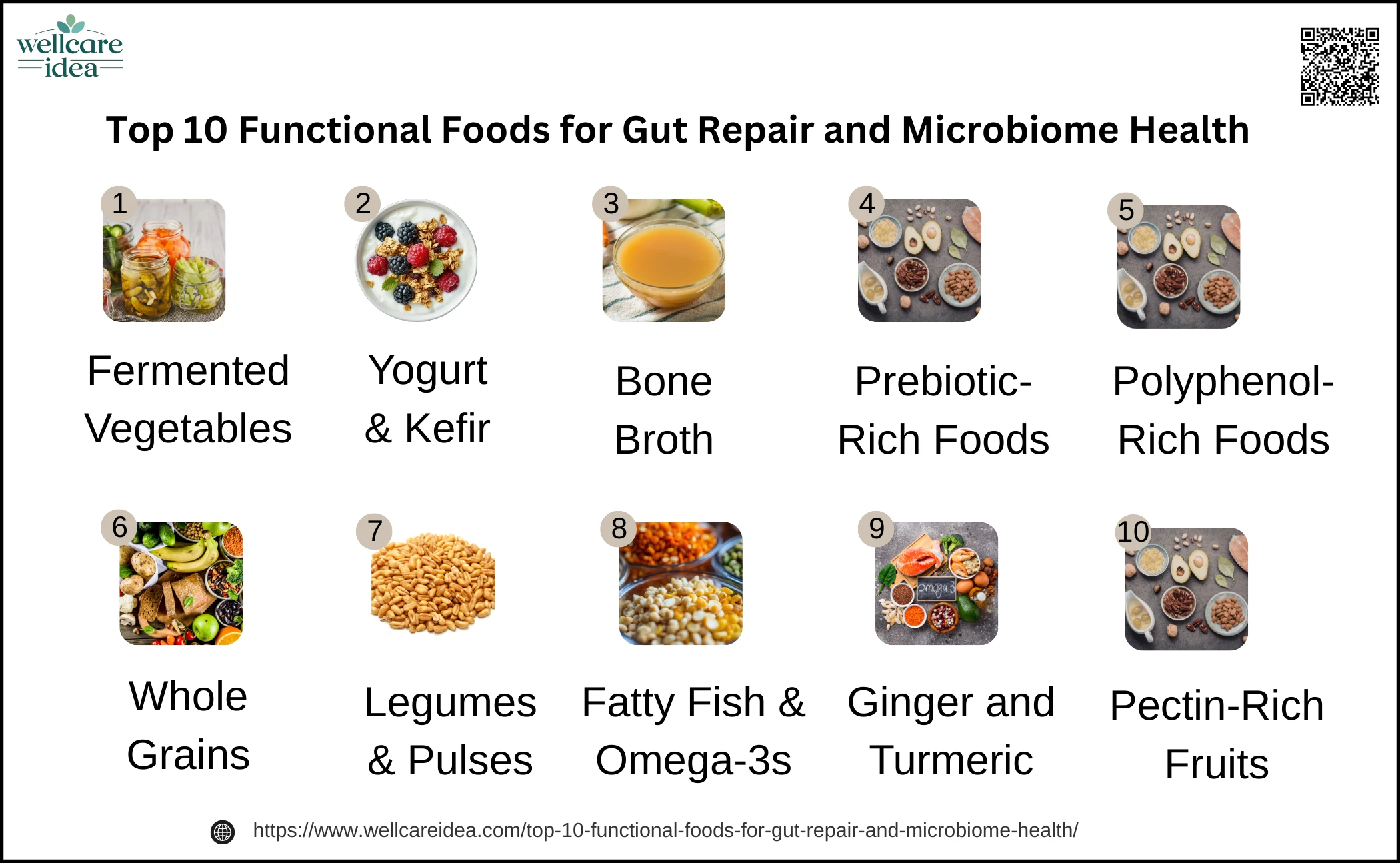
Understanding Gut Health and Functional Foods
Within your digestive system resides an intricate ecosystem known as the gut microbiome, a community of trillions of microorganisms including bacteria, viruses, and fungi that play a fundamental role in your overall health 1 This microbiome is not a passive occupant; it actively contributes to digestion, synthesizes certain vitamins, and plays a crucial role in training and supporting your immune system 2 The concept of “gut health” extends beyond simply avoiding stomach discomfort; it encompasses the proper functioning of the entire gastrointestinal tract, including the effective digestion and absorption of nutrients, a robust barrier against harmful substances, and a balanced immune response 3
This is where functional foods become paramount. Unlike ordinary foods, functional foods are those that provide a health benefit beyond basic nutrition, actively contributing to the prevention or management of diseases and supporting physiological functions. For gut health specifically, these are foods that can help repair the intestinal lining, restore a healthy balance of gut bacteria, and reduce inflammation 4 By intentionally incorporating these foods into your diet, you move beyond mere sustenance and actively participate in nurturing your microbiome, setting the stage for improved overall wellness and a reduced risk of chronic inflammatory diseases 5
Why Gut Health Matters
The significance of your gut health reverberates throughout your entire body, influencing systems far beyond your digestive tract. A well-balanced gut microbiome is essential for strong immune function, as a significant portion of your immune system is located in your gut. This system constantly interacts with the microbes in your gastrointestinal tract, learning to distinguish between friendly bacteria and potential threats 6 When this balance is disrupted—a state known as dysbiosis—it can lead to an overactive immune response and chronic inflammation, which is linked to a variety of conditions 7
Furthermore, a fascinating communication network known as the gut-brain axis connects your enteric nervous system (the “second brain” in your gut) with your central nervous system. This connection is why you might feel “butterflies” in your stomach when nervous. This axis is bi-directional, meaning your gut health can influence your brain and mood 8 In fact, many of your body’s serotonin receptors, a key neurotransmitter for mood regulation, are located in the gut 9 Common signs that your gut may be compromised include persistent bloating, gas, diarrhea, constipation, fatigue, sugar cravings, and even skin irritations. By focusing on gut health, you are therefore investing not just in better digestion, but also in stronger immunity, a more resilient mood, and long-term metabolic health 10
Top 10 Functional Foods for Gut Health
1. Fermented Vegetables
Foods like sauerkraut, kimchi, and traditionally fermented pickles are powerhouses of natural probiotics. The fermentation process encourages the growth of beneficial lactic acid bacteria, such as Lactobacillus species, which can help colonize your gut 11 When you consume these live cultures, you are essentially introducing friendly soldiers to your internal ecosystem. A landmark study from Stanford School of Medicine found that a diet high in fermented foods led to a significant increase in overall microbiome diversity and decreased markers of inflammation 12 Greater microbial diversity is a key indicator of a resilient gut. To incorporate them, try adding a spoonful of sauerkraut to your salad or sandwiches, or enjoy kimchi as a flavorful side dish with rice or eggs.
2. Yogurt and Kefir
Yogurt and kefir are two of the most well-known probiotic dairy products. They are rich sources of live bacteria, including Lactobacillus and Bifidobacterium strains, which can help improve the balance of gut flora 13 These probiotics support digestion, aid in the breakdown of lactose, and can even enhance immune support by interacting with gut-associated lymphoid tissue 14 Kefir, a fermented milk drink, often contains an even wider diversity of yeast and bacterial strains than yogurt 15 When choosing these products, it is crucial to opt for unsweetened or low-sugar varieties, as added sugar can feed harmful gut bacteria and counteract the positive benefits 4 Look for labels that mention “live and active cultures.”
3. Bone Broth
For centuries, bone broth has been revered as a healing food, and modern understanding of gut health provides a scientific basis for its benefits. Simmering animal bones and connective tissue for an extended period releases valuable compounds like collagen, gelatin, and various amino acids. These components are the building blocks for the tissues that line your gut. The intestinal barrier, when functioning properly, acts as a gatekeeper, preventing toxins and undigested food particles from leaking into the bloodstream—a condition sometimes referred to as “leaky gut.” The amino acids in bone broth, such as glutamine, are vital fuel for the cells lining the intestine, supporting the repair and maintenance of this critical barrier 16 Enjoy bone broth on its own as a warm, soothing drink, or use it as a nutrient-dense base for soups, stews, and sauces.
4. Prebiotic-Rich Foods
If probiotics are the seeds of a healthy gut, then prebiotics are the fertilizer that helps them grow. Prebiotics are non-digestible fibers, typically found in many vegetables and fruits, that pass through your digestive system undigested and become a selective food source for your beneficial gut bacteria 17 When these good bacteria ferment prebiotic fibers, they produce short-chain fatty acids (SCFAs) like butyrate, which serve as a primary energy source for the cells of your colon, reduce inflammation, and strengthen the gut barrier 18 Excellent sources of prebiotics include garlic, onions, leeks, asparagus, and slightly under-ripe bananas. A simple way to add them to your diet is to incorporate onions and garlic into your sautéed dishes, add leeks to soups, or slice a green banana into your morning smoothie.
5. Polyphenol-Rich Foods
Polyphenols are potent antioxidant compounds found in plant foods that have a profound positive effect on the gut microbiome 19 While they are known for their anti-inflammatory properties, they also act as prebiotics, selectively promoting the growth of beneficial bacteria like Bifidobacteria and Lactobacillus while inhibiting the growth of harmful pathogens 20 Rich sources of polyphenols include brightly colored berries, green tea, dark chocolate (with a high cocoa content), and high-quality extra virgin olive oil. For instance, the Mediterranean diet, which is abundant in polyphenols from these very foods, is consistently linked to a healthier gut microbiome and a reduced risk of chronic diseases 21 Try adding a handful of mixed berries to your yogurt, enjoying a square of dark chocolate, or using olive oil as your primary dressing base.
6. Whole Grains
Whole grains such as oats, quinoa, barley, and brown rice are exceptional sources of dietary fiber, which is indispensable for gut health. This fiber adds bulk to stool, supporting regular bowel movements and gut motility 22 More importantly, the fiber in whole grains reaches the large intestine where it is fermented by gut bacteria, producing SCFAs that nourish the colon lining and help reduce systemic inflammation 23 The consumption of whole grains is associated with greater microbial diversity, which is a hallmark of a healthy gut 23 To balance them with other gut-friendly foods, consider a breakfast of oatmeal topped with berries (polyphenols) and a sprinkle of flaxseed, or a lunch bowl with quinoa, lentils (a legume), and roasted vegetables.
7. Legumes and Pulses
This category of food, which includes lentils, chickpeas, beans, and peas, is a dual-threat for gut support. Legumes are rich in both soluble and insoluble fiber, and they also contain a type of carbohydrate known as resistant starch. Resistant starch earns its name because it “resists” digestion in the small intestine and travels to the large intestine, where it acts as a prebiotic to feed your beneficial gut bacteria 24 The fermentation of this resistant starch and fiber leads to the production of SCFAs, which improve digestion, help with blood sugar control by improving insulin sensitivity, and contribute to a feeling of fullness 25 Hummus made from chickpeas, lentil soup, or black beans added to a salad are all delicious and easy ways to include more legumes in your weekly meals.
8. Fatty Fish and Omega-3s
The health of your gut is deeply intertwined with the level of inflammation in your body. Fatty fish like salmon, sardines, and mackerel are packed with long-chain omega-3 fatty acids, EPA and DHA, which are renowned for their powerful anti-inflammatory effects 26 By helping to quell systemic inflammation, these fats create a more favorable environment for a diverse and healthy microbiome to flourish and support the integrity of the gut lining. Research has begun to draw links between higher omega-3 intake and improved gut microbiome composition 27 Aim to include fatty fish in your diet at least two times per week. Baking, grilling, or steaming are excellent preparation methods that preserve the nutritional quality of the fish.
9. Ginger and Turmeric
These vibrant roots have been used in traditional medicine for thousands of years, and their gut-soothing properties are now supported by scientific research. Ginger is well-known as a digestive aid that can help relieve nausea, reduce bloating, and ease gastrointestinal irritation by speeding up gastric emptying 28 Turmeric contains the active compound curcumin, which possesses strong anti-inflammatory properties that can help calm inflammation in the gut lining 29 Incorporating them into your diet can be both simple and enjoyable. Add fresh grated ginger to stir-fries, smoothies, or hot tea. Use turmeric in curries, soups, or make a “golden milk” latte by whisking turmeric into warm milk.
10. Apples and Pectin-Rich Fruits
The old adage “an apple a day keeps the doctor away” holds particular truth for gut health. Apples are a fantastic source of a specific type of soluble fiber called pectin. Pectin functions as an effective prebiotic, feeding the good bacteria in your colon and increasing the production of SCFAs like butyrate 30 This not only helps regulate bowel movements, preventing both constipation and diarrhea, but also contributes to a stronger intestinal barrier. Other pectin-rich fruits include quinces, plums, and the peel of citrus fruits. Eating a whole apple with the skin on provides the maximum benefit, but apples can also be a great addition to salads or be enjoyed stewed with cinnamon as a comforting dessert.
Table 1: Quick Guide to Top Functional Foods for Gut Health
| Food Category | Key Gut-Friendly Components | Primary Benefits |
| Fermented Vegetables | Probiotics (e.g., Lactobacillus) | Increases microbiome diversity, reduces inflammation |
| Yogurt & Kefir | Probiotics (e.g., Lactobacillus, Bifidobacterium) | Balances gut flora, supports immune function |
| Bone Broth | Collagen, Gelatin, Amino Acids (e.g., Glutamine) | Supports repair of the intestinal lining |
| Prebiotic Foods | Prebiotic Fibers (Inulin, FOS, GOS) | Feeds beneficial gut bacteria, produces SCFAs |
| Polyphenol-Rich Foods | Polyphenols | Antioxidant & anti-inflammatory, promotes good bacteria |
Tips for Combining Functional Foods for Maximum Gut Health
The most powerful approach to nurturing your gut is to embrace dietary diversity, as different microbes thrive on different types of food 31 A simple and effective strategy is to consciously combine probiotics and prebiotics, creating what are known as synbiotics. This pairing ensures that you are both adding beneficial bacteria to your system and providing the food they need to thrive 32 For example, you can combine a probiotic food like plain yogurt (which contains the live bacteria) with a prebiotic food like bananas or berries (which feed the bacteria).
Equally important is the conscious reduction of ultra-processed foods. These products, often high in refined carbohydrates, unhealthy fats, and artificial additives, have been shown to disrupt the gut microbiome, decrease its diversity, and promote inflammation 4 By shifting your diet to focus on whole, minimally processed foods, you create an internal environment where your gut microbes—and your overall health—can truly flourish 5
Nourish Your Gut for Lifelong Health
The path to lasting health is intrinsically linked to the well-being of your gut microbiome. By making a conscious effort to include these top 10 functional foods—from probiotic-rich fermented vegetables and yogurt to prebiotic-packed garlic and apples, and anti-inflammatory powerhouses like fatty fish and turmeric—you provide your body with the essential tools it needs for gut repair, microbial balance, and inflammation control 10 Remember that consistency and variety are far more important than perfection. You do not need to overhaul your diet overnight. Start with small, sustainable changes, such as adding one or two of these foods to your meals each day. By consistently nourishing your gut with these functional foods, you are making a powerful investment in your immune system, your mental clarity, your digestive comfort, and your lifelong vitality 33