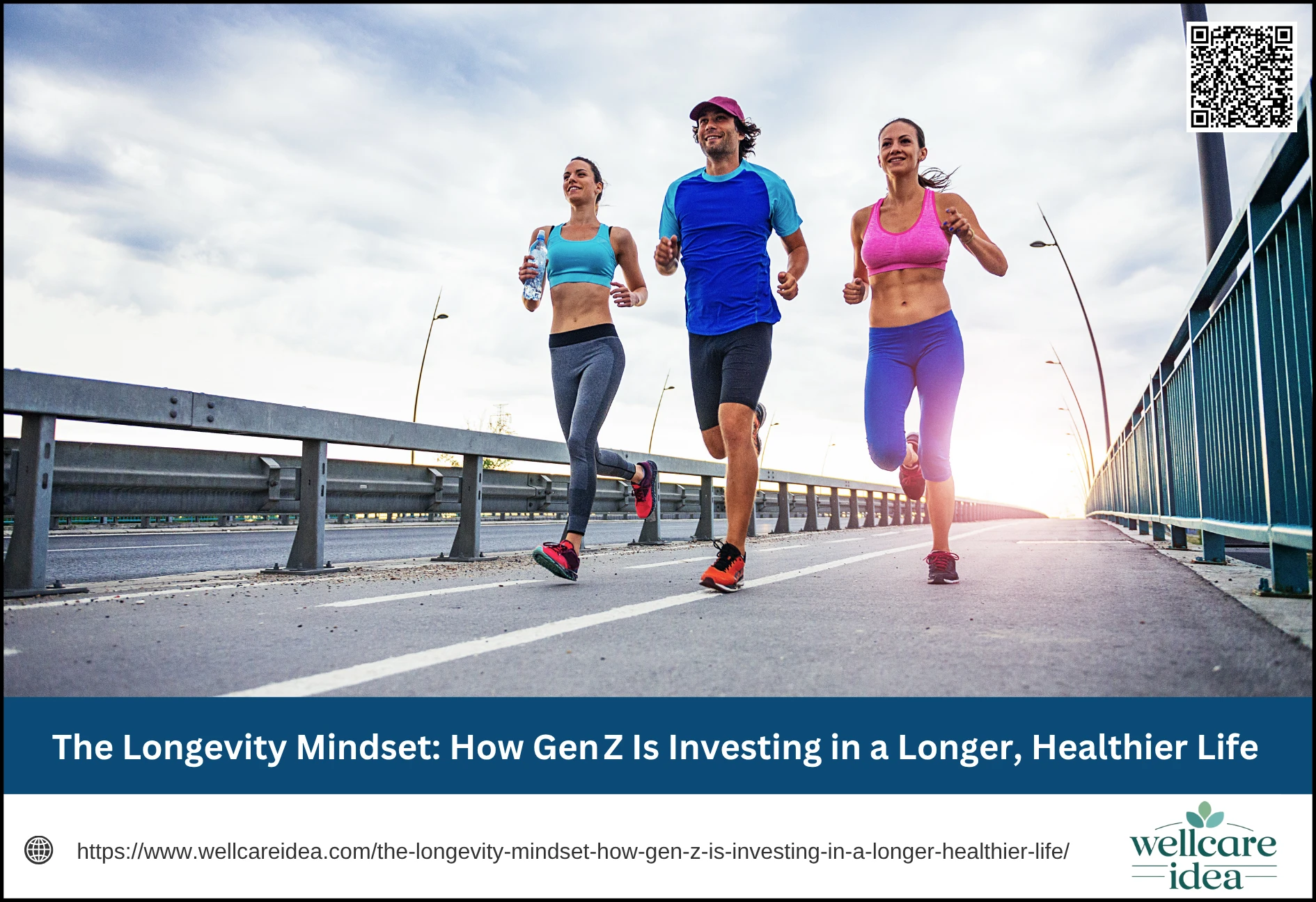
The pursuit of a long, healthy life is no longer just a concern for older generations. A remarkable shift is underway as younger adults proactively invest in their future wellness, redefining what it means to age well. Generation Z—those born between 1997 and 2012—is approaching health and lifespan in a fundamentally new way, blending technology with a holistic view of well-being that encompasses both mind and body. This generation is not merely waiting for old age to consider longevity; they are building what they call a “longevity mindset” from their youth. This article explores how Gen Z is actively investing in a longer, healthier life, examining the lifestyle choices, technologies, and cultural forces shaping their journey. Their unique fusion of digital nativity, preventative strategies, and conscious living offers a fascinating blueprint for the future of human health.
This approach stands in stark contrast to the traditional views held by older generations. Baby Boomers and Generation X often viewed healthcare through a more reactive lens, typically engaging with the medical system after health issues arose. Their focus was often on treating illness rather than preventing it. In comparison, Gen Z has adopted a more holistic and preventative outlook from a young age. Research published in Frontiers in Public Health highlights that Millennials and Gen Z perceive health holistically, strongly emphasizing mental wellness, fitness, nutrition, and appearance as interconnected components of well-being 1 This generation is less interested in a paternalistic doctor-patient relationship and more inclined to use digital tools to gather information and take control of their health journey, representing a significant cultural evolution in our approach to aging 2
Gen Z’s Motivation for Healthy Aging
Several powerful factors drive Gen Z’s preoccupation with healthy aging. Growing up in an information-saturated era, this generation has unprecedented awareness of chronic diseases like diabetes, heart conditions, and mental health disorders. They see the burdens of age-related decline in older relatives and are motivated to take preventative action early to alter their own health trajectories. This is coupled with a strong desire to maximize their productivity, creativity, and overall life experiences; they view a healthy body and mind as essential tools for achieving personal and professional ambitions.
The influence of social media and digital content is also profound. Gen Z is constantly exposed to wellness trends, fitness influencers, and health education on platforms like Instagram and TikTok. According to a McKinsey survey, younger consumers are significantly more likely to be influenced to make a wellness-related purchase by social media than older generations 3 Furthermore, this generation demonstrates a heightened environmental and lifestyle consciousness. They are more likely to connect personal health with planetary health, adopting sustainable living practices and understanding that a healthy environment is a key social determinant of their own long-term well-being. This unique blend of personal ambition, digital influence, and systemic awareness creates a powerful impetus for investing in a longevity-focused lifestyle.
Lifestyle Choices Driving Longevity
1. Nutrition and Diet
Gen Z’s approach to nutrition extends beyond calorie counting to functional nutrition—consuming foods that provide specific health benefits. They are driving trends like plant-based diets, mindful of both the environmental impact and the health benefits associated with reduced red meat consumption. This generation is particularly focused on gut health, understanding its critical link to immunity and mental well-being through the gut-brain axis 4 They are also prime consumers of fortified foods and supplements aimed at energy, immunity, and joint support, making them a key demographic in the growing functional-nutrition market (https://www.sciencedirect.com/science/article/pii/S0924224423001235).
2. Fitness and Movement
For Gen Z, fitness is integrated into daily life through diverse and often mindful practices. While high-intensity interval training (HIIT) remains popular for its efficiency, there is a growing appreciation for mind-body exercises like yoga, which are recognized for improving both physical and mental health 5 There is also a strong focus on resistance training, which is increasingly understood to be crucial for brain health, cognitive function, and reducing the risk of age-related brain degeneration 6 This generation often engages in “micro-workouts” throughout the day, breaking away from the traditional, lengthy gym sessions.
3. Sleep, Recovery, and Mental Wellness
Perhaps more than any previous generation, Gen Z prioritizes sleep and recovery as non-negotiable components of health. They are heavy users of sleep-tracking technology and mindfulness apps to manage stress. Recognizing the toll of constant connectivity, many actively practice digital detoxes to protect their mental health. This is a critical adaptation, as Gen Z self-reports feeling “almost always stressed” at a rate of 40%—significantly higher than the average of 23% for all generations, making stress management a essential longevity strategy 7
4. Technology and Longevity
For the first generation of true digital natives, technology is seamlessly woven into their pursuit of health. Wearables and health-tracking apps are not just gadgets but essential tools for generating personalized health data. Gen Z uses these devices to monitor everything from sleep patterns and heart rate variability to activity levels and menstrual cycles, allowing for a data-driven understanding of their bodies. This constant feedback loop enables them to make precise adjustments to their diet, exercise, and sleep routines in real-time, transforming wellness from an abstract concept into a quantifiable and manageable endeavor.
Artificial intelligence (AI) and telehealth are also central to their preventative care strategy. They are more comfortable than older generations with virtual appointments and AI-powered health assessments, valuing the speed, convenience, and accessibility these tools provide 8 Furthermore, gamification makes wellness engaging. Fitness apps that turn daily step counts into challenges or meditation apps that offer streaks and rewards resonate deeply with Gen Z, blending their desire for achievement with their health goals 9 This high level of engagement with digital health solutions positions them at the forefront of a major shift in preventative healthcare delivery.
5. Preventative Health Measures
Gen Z’s proactive approach is epitomized by their embrace of regular health screenings and checkups, often facilitated by telehealth platforms. They are also a key driver behind the growing interest in longevity-focused supplements and nutraceuticals. However, their digital savviness often comes with a healthy dose of skepticism, leading many to seek out evidence-based products. This is crucial in a market filled with overhyped claims.
A prime example is the trend around NAD+ boosters, such as nicotinamide riboside (NR) and nicotinamide mononucleotide (NMN). While NAD+ is a vital compound for cellular energy, experts like Dr. Charles Brenner, a leading metabolism researcher, clearly state that “nicotinamide riboside is not a longevity drug” 10 Despite online claims, there is no evidence that NAD+ supplementation extends human lifespan, and intravenous therapies carry potential risks, as they bypass the body’s natural protective filters 11 This highlights a critical challenge for Gen Z: navigating the fine line between exciting emerging therapies and unproven, potentially costly wellness fads. The most evidence-supported therapies they are exploring include intermittent fasting and time-restricted eating, which have been shown in studies to improve metabolic health markers 12
6. Financial Investment in Longevity
Gen Z’s commitment to longevity is reflected not just in their habits but also in their spending. Despite making up just over a third of the adult population in the United States, they drive more than 41% of annual wellness spend, a clear indicator of the high priority they place on health 3 Their purchases are wide-ranging, from health-tracking devices and wellness apps to premium fitness memberships and functional foods. This generation is also more likely to invest in wellness retreats and in-person services that support their mental and physical well-being 13
Looking beyond personal consumption, Gen Z is also showing interest in the longevity economy as a whole. This includes growing career opportunities in fields like biotechnology, health tech, and wellness, aligning their professional lives with their personal values. The market landscape is expanding rapidly to meet their demand, with venture capital flowing into longevity startups focused on everything from AI-driven diagnostics to senolytics and regenerative medicine 14 Platforms like Longevity. International are fostering collaboration among companies, investors, and research hubs, building a robust ecosystem aimed at commercializing the next generation of longevity therapies 15
This financial engagement, both as consumers and future investors, ensures that Gen Z will continue to be a powerful force shaping the wellness industry for years to come.
7. Social and Cultural Influence
The Gen Z longevity movement is profoundly social. Unlike the individualized health journeys of the past, theirs is often community-driven, fueled by peer influence and shared knowledge. Online and offline, they are forming wellness-oriented communities where habits like sharing healthy meals are common. Interestingly, the 2025 World Happiness Report identified that “sharing meals proves to be an exceptionally strong indicator of subjective wellbeing,” a social ritual that Gen Z is intuitively embracing for mental and social health 16
Influencers and content creators play a pivotal role in this ecosystem. Top longevity influencers on social media, such as scientists like Dr. David Sinclair and physicians like Dr. Peter Attia, have massive Gen Z followings, making complex scientific concepts around aging accessible and engaging 17 However, this generation also relies heavily on micro-influencers and online communities in spaces like Reddit and Discord to exchange personal experiences, product recommendations, and moral support. This collective approach to knowledge-sharing helps demystify health information and creates a sense of accountability, making the pursuit of longevity a shared, culturally embedded endeavor rather than a solitary one.
8. Challenges and Misconceptions
Despite their best intentions, Gen Z’s path to longevity is fraught with challenges, primarily stemming from misinformation. The same social media platforms that educate also teem with overhyped supplements and unproven therapies. As noted by health experts, “even thousands of anecdotes do not create evidence,” a critical reminder for a generation that heavily relies on peer testimonials and influencer endorsements 18 The promotion of unregulated IV NAD+ therapies and other biohacks without robust clinical evidence poses a significant risk of financial loss and potential physical harm.
Another significant challenge is balancing longevity goals with the realities of life, including academic pressure, career beginnings, and social obligations. The relentless pursuit of optimal health can, paradoxically, lead to stress and burnout. A 2025 guide on burnout specifically notes that high performers are particularly vulnerable, with symptoms including emotional exhaustion, depersonalization, and a feeling of reduced personal accomplishment 19 For Gen Z, therefore, a key aspect of a true longevity mindset is learning to avoid an obsessive focus on biomarkers and to embrace flexibility, understanding that sustainable health is a marathon, not a sprint, and requires periods of rest and recovery.
Conclusion
Generation Z is pioneering a new, dynamic approach to living longer and better. Their longevity mindset—a blend of proactive prevention, technological integration, and holistic awareness—is reshaping the wellness landscape and challenging outdated notions of aging. They are not passively awaiting their future but are actively constructing it through daily choices, financial investments, and community support. While they must navigate the pitfalls of misinformation and burnout, their overall trajectory points toward a more empowered and educated era of personal health.