
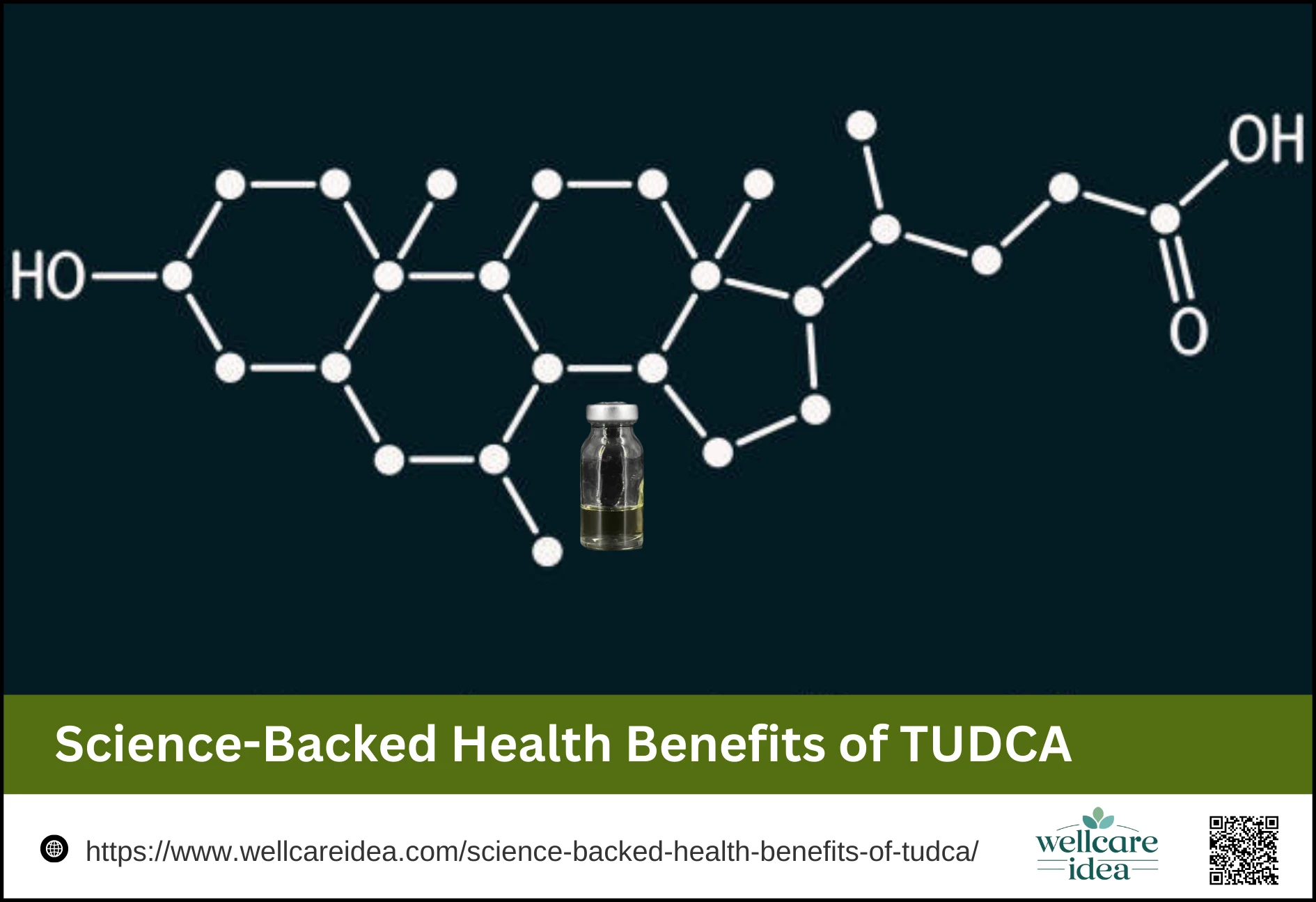
What is TUDCA?
Tauroursodeoxycholic acid, commonly known as TUDCA, is a water-soluble bile acid that occurs naturally in the human body in very small amounts. It is a derivative of ursodeoxycholic acid (UDCA), which has been used for centuries in traditional medicine and is now a focus of modern clinical research. TUDCA is primarily known for its ability to help the body manage cellular stress and maintain the delicate balance of fluids in the liver 1 Unlike “detergent-like” bile acids that can damage cells when they build up, TUDCA acts as a protective shield, promoting cellular survival and longevity 2
The Multidimensional Benefits of TUDCA
1. Liver Health and Bile Flow
The most well-established role of TUDCA involves hepatoprotection, or the protection of liver cells. When bile acids become trapped in the liver (a condition called cholestasis), they can cause significant tissue damage. TUDCA helps by promoting healthy bile flow and diluting the concentration of toxic bile acids, thereby preventing scarring and inflammation 3 Furthermore, research indicates that TUDCA can help prevent the formation of cholesterol gallstones by improving the solubility of cholesterol within the gallbladder 4
2. Managing Cellular Stress (ER and Mitochondria)
At a microscopic level, TUDCA is a powerhouse for stabilizing the Endoplasmic Reticulum (ER), the part of the cell responsible for folding proteins. When the ER is stressed, it produces “misfolded” proteins that lead to disease; TUDCA acts as a “chemical chaperone” to ensure proteins are folded correctly 5 Simultaneously, it protects the mitochondria—the cell’s battery—from damage, ensuring that cells can produce energy efficiently without leaking harmful reactive oxygen species 6 This regulation of programmed cell death, or apoptosis, ensures that healthy cells remain viable under stress 7
3. Brain and Eye Protection
Emerging science suggests that TUDCA’s ability to cross the blood-brain barrier makes it a promising tool for neuroprotection. Studies have shown it may help protect neurons from death associated with conditions like Alzheimer’s and Parkinson’s 8 This protective effect extends to the eyes, where TUDCA has been found to safeguard retinal cells from degeneration, potentially preserving vision in those with retinal diseases 9
4. Metabolic and Cardiovascular Support
TUDCA plays a significant role in metabolic health by enhancing insulin sensitivity. By reducing ER stress in the liver and muscle tissues, it helps the body process glucose more effectively, which is a key factor in managing healthy blood sugar levels 10 Additionally, it supports cardiovascular health by regulating lipid (fat) management and protecting the lining of the blood vessels from oxidative stress and inflammation 11 , 12
5. Gut Health and Immunity
The benefits of TUDCA also reach the digestive tract. It helps modulate the gut microbiome, encouraging a healthy balance of bacteria, while simultaneously strengthening the intestinal barrier 13 By keeping the gut lining “tight,” TUDCA prevents unwanted particles from entering the bloodstream, thereby lowering systemic inflammation 14
Conclusion
TUDCA is far more than just a liver supplement; it is a versatile molecule that addresses health at the cellular level. From stabilizing energy-producing mitochondria to protecting delicate neurons and improving metabolic responses, its systemic benefits are backed by a growing body of rigorous scientific evidence. While it is naturally occurring, the use of TUDCA as a therapeutic aid represents a significant bridge between traditional wisdom and modern biochemical research.