
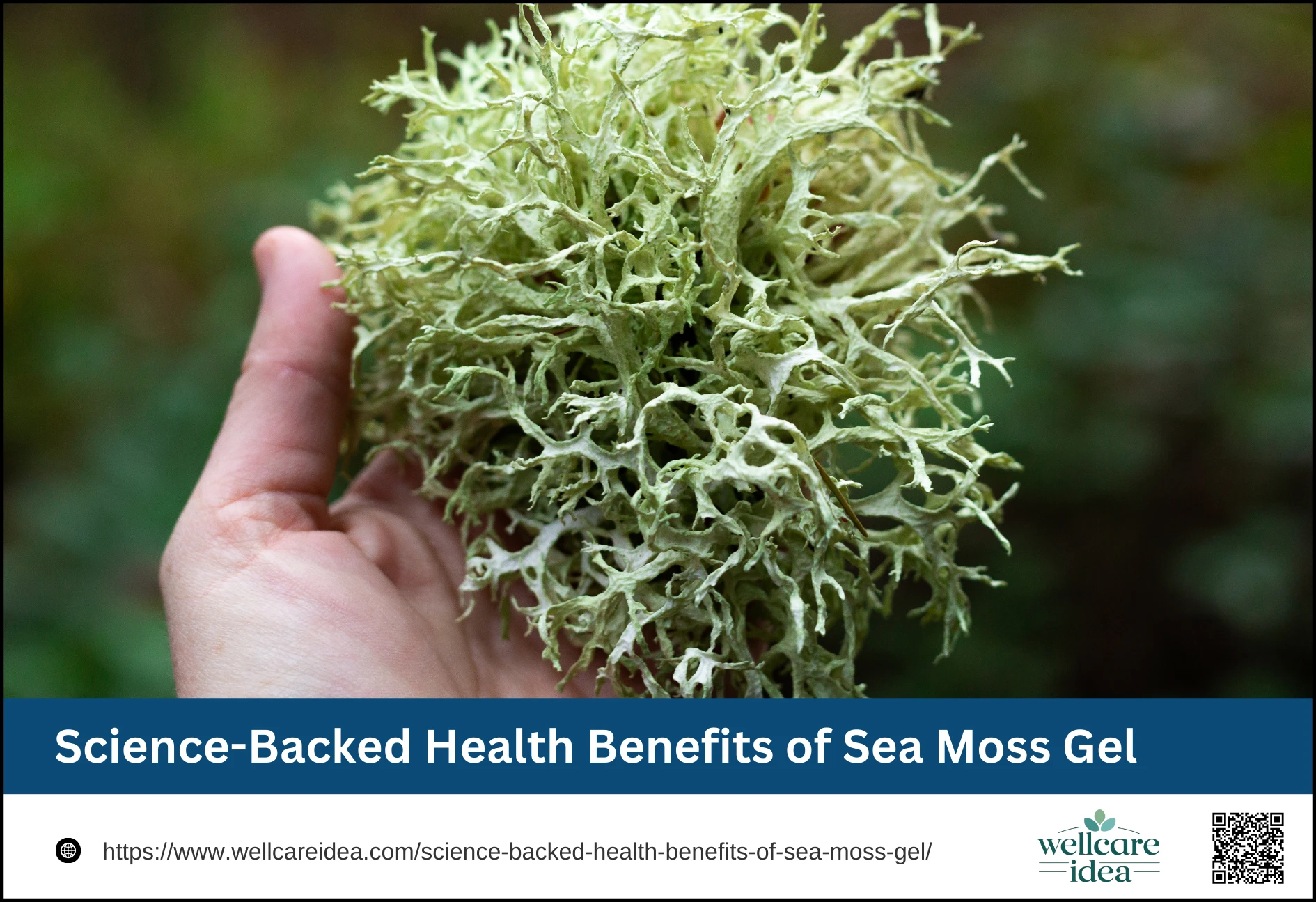
what is Sea Moss Gel?
Sea moss, scientifically known as Chondrus crispus, is a type of red algae or seaweed that grows on the rocky parts of the Atlantic coast of Europe and North America. Historically used in Ireland and the Caribbean as a nutrient-dense food source during times of scarcity, it has recently gained global popularity as a “superfood.” To consume it, the dried seaweed is typically soaked and blended with water to create a tasteless, versatile gel. This gel is rich in carrageenan, a natural thickener, and is often added to smoothies, teas, and desserts. While anecdotal claims about its healing powers abound, modern scientific research has begun to isolate specific compounds within sea moss—such as sulfated polysaccharides, peptides, and pigments—that offer legitimate physiological benefits.
Science-Backed Health Benefits of Sea Moss Gel
1. Nutritional Profile and Composition
This marine vegetable is frequently described as nature’s multivitamin because of its unusually high mineral density. Sea moss gel provides a concentrated source of essential nutrients that are often missing from the modern diet. Research indicates that Chondrus crispus is particularly rich in macrominerals like potassium, calcium, and magnesium, as well as trace minerals such as iron, zinc, and manganese 1 Furthermore, unlike many land-based vegetables, red seaweeds contain significant amounts of polyunsaturated fatty acids (PUFAs), including EPA and DHA, which are crucial for cellular function. The gel also delivers a spectrum of vitamins, including Vitamin A, C, and E, making it a comprehensive dietary supplement for filling nutritional gaps.
2. Thyroid Health Support
The thyroid gland relies heavily on iodine to produce hormones that regulate metabolism, growth, and energy. Sea moss is naturally abundant in iodine, making it a potentially valuable supplement for individuals with low iodine levels. Studies confirm that seaweeds are a primary natural source of this trace element, which is essential for preventing conditions like hypothyroidism 2 , 3 However, because the iodine content in sea moss can vary largely depending on where it was harvested, moderation is critical. Excessive iodine intake can paradoxically disrupt thyroid function, so it is important to consume the gel in measured amounts rather than unregulated quantities.
3. Immune System Enhancement
Compounds found within red seaweed may help the body defend itself against infections and viruses. Specifically, sea moss contains sulfated polysaccharides, which are complex carbohydrates that have been shown to modulate the immune system. One study demonstrated that water-soluble extracts from Chondrus crispus could enhance the immune response in host organisms by suppressing the virulence of certain bacteria 4 , 5 These bioactive compounds appear to stimulate the activity of defense mechanisms in the body, potentially offering protection against common viral threats and reducing the severity of infections.
4. Digestive Health and Gut Maintenance
A healthy gut is the foundation of overall wellness, and sea moss gel acts as a prebiotic to support beneficial bacteria. The fiber content in sea moss, particularly carrageenan and other polysaccharides, resists digestion in the upper gastrointestinal tract and travels to the colon. There, it serves as food for good bacteria, which ferment the fiber into short-chain fatty acids (SCFAs) like butyrate. Research highlights that these seaweed fibers can significantly increase the abundance of beneficial gut microbes, which aids in digestion and reduces gut inflammation 6 , 7 This prebiotic effect can lead to improved regularity and a more balanced gut microbiome.
5. Skin Health and Wound Healing
The gelatinous texture of sea moss is not just useful for cooking; it mimics the skin’s own mucous membranes, providing deep hydration and protection. The high concentration of polysaccharides creates a film that helps retain moisture, while antioxidants like Vitamin C protect skin cells from oxidative stress and premature aging. Scientific reviews note that bioactive substances in red algae possess antioxidant and anti-inflammatory properties that can accelerate wound healing and tissue repair 8 Additionally, the sulfur content in the gel may help reduce the severity of skin conditions such as acne and eczema by minimizing bacterial overgrowth on the skin’s surface.
6. Heart Health and Cholesterol Management
Cardiovascular disease remains a top global health concern, but adding sea moss to a diet may offer protective benefits for the heart. The soluble fiber and bioactive compounds in red seaweed have been observed to improve lipid profiles by lowering bad cholesterol (LDL) and triglycerides. A study on the effects of seaweed extracts found that they could significantly decrease plasma cholesterol levels and improve the “atherogenic index,” which measures the risk of clogged arteries 9 , 10 By reducing the amount of cholesterol absorbed in the gut, sea moss gel supports healthy blood flow and reduces the strain on the cardiovascular system.
7. Blood Sugar Control
Stabilizing blood sugar levels is vital for preventing energy crashes and managing metabolic health. Sea moss contains a carotenoid pigment called fucoxanthin, which gives some seaweeds their color and has been studied for its anti-diabetic effects. Research suggests that fucoxanthin can help reduce blood glucose levels and improve how the body responds to insulin 11 , 12 By slowing down the digestion of carbohydrates and improving insulin sensitivity, the compounds in sea moss gel may help prevent the sharp spikes in blood sugar that often follow a high-carb meal.
8. Muscle Recovery and Energy Levels
Athletes and active individuals often turn to sea moss gel to speed up recovery after intense exercise. This benefit is largely attributed to the presence of taurine, an amino acid that is abundant in many seaweeds. Taurine is known to reduce muscle damage and alleviate the delayed-onset muscle soreness (DOMS) that occurs after workouts. Clinical trials indicate that taurine supplementation can minimize markers of muscle injury and oxidative stress, allowing for faster return to peak performance 13 , 14 Combined with its high protein and mineral content, sea moss gel serves as an effective natural aid for replenishing energy stores and repairing muscle tissue.
Conclusion
Sea moss gel is more than just a wellness trend; it is a nutrient-dense functional food supported by emerging scientific evidence. From supporting thyroid function and gut health to enhancing skin hydration and muscle recovery, the bioactive compounds in Chondrus crispus offer wide-ranging benefits. However, quality and moderation are paramount. Because sea moss absorbs minerals from the water it grows in, it can contain high levels of iodine or heavy metals if harvested from polluted waters 15 As with any potent supplement, it is advisable to consult a healthcare provider before adding it to your daily routine to ensure it aligns with your specific health needs.