
What is Maitake Mushroom?
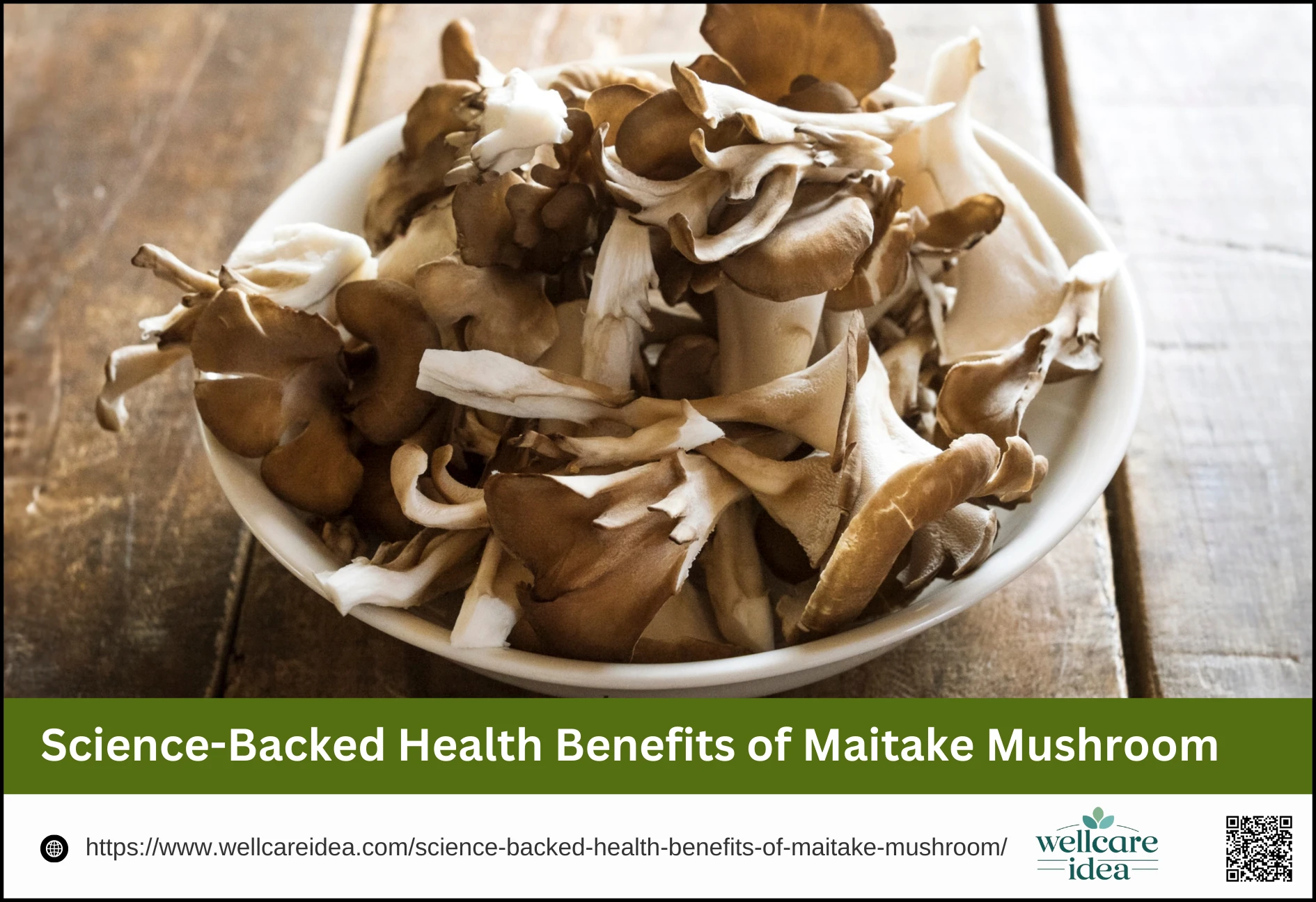
Grifola frondosa, scientifically known as the Maitake mushroom, is a functional fungus native to the mountainous regions of Japan, China, and North America. Often referred to as “Hen of the Woods” due to its frilly, clustered appearance that resembles the fluffed feathers of a nesting hen, this mushroom has been valued for centuries in traditional medicine for its restorative properties. Unlike many medicinal fungi that are tough and woody, Maitake is edible and prized for its rich, earthy flavor. Beyond its culinary appeal, modern scientific inquiry has isolated potent bioactive compounds within the mushroom, particularly polysaccharides known as beta-glucans. These complex sugars are the primary drivers behind the mushroom’s physiological effects, acting as biological response modifiers that can influence various bodily systems without causing the toxicity often associated with synthetic pharmaceuticals.
Science-Backed Health Benefits of Maitake Mushroom
1. Immune System Modulation and Enhancement
The human immune system relies on a complex network of cells to detect and eliminate pathogens, and Maitake mushrooms appear to significantly boost this defense mechanism. Research indicates that the D-Fraction, a specific bioactive extract derived from Maitake, directly stimulates the activity of immune effector cells, including macrophages, T-cells, and Natural Killer (NK) cells 1 These cells are the body’s first line of defense, responsible for identifying and neutralizing foreign invaders like viruses and bacteria. Studies have shown that oral administration of Maitake extracts can enhance the phagocytic activity of these cells—essentially increasing their ability to engulf and destroy harmful particles—thereby strengthening overall immunity 2 , 3 Rather than indiscriminately boosting the immune system, which could lead to inflammation, the beta-glucans in Maitake act as immunomodulators, helping to regulate and balance the immune response to ensure it is effective yet controlled.
2. Blood Glucose Regulation and Diabetes Management
Managing blood sugar levels is a critical challenge for individuals with type 2 diabetes, and Maitake mushrooms offer a promising natural intervention. A specific glycoprotein found in the mushroom, known as the SX-fraction, has been extensively studied for its ability to lower blood glucose levels and improve insulin sensitivity. Scientific reviews highlight that this fraction aids in reducing insulin resistance, a condition where the body’s cells fail to respond effectively to insulin 4 By improving the body’s uptake of glucose, Maitake may help prevent the dangerous spikes in blood sugar that contribute to long-term diabetic complications. Furthermore, animal studies suggest that these compounds can inhibit alpha-glucosidase, an enzyme involved in carbohydrate digestion, leading to a more gradual absorption of sugar into the bloodstream 5 , 6
3. Antitumor Activity and Cancer Adjuvant Therapy
In the field of oncology, Maitake is garnering attention not as a standalone cure, but as a potent adjuvant therapy that supports conventional treatments. The D-Fraction extract has demonstrated antitumor properties in various experimental models, primarily by mobilizing the host’s immune system to target cancer cells more aggressively. Research published in reputable journals suggests that Maitake can inhibit tumor growth and metastasis by activating NK cells, which are specialized in inducing apoptosis (programmed cell death) in malignant cells 7 , 8 Additionally, combining Maitake extracts with chemotherapy has been observed to enhance the efficacy of the drugs while potentially mitigating some of the debilitating side effects, such as nausea and immune suppression 9 This synergistic effect makes it a subject of ongoing clinical interest for integrative cancer care.
4. Polycystic Ovary Syndrome (PCOS) Support
Polycystic Ovary Syndrome (PCOS) is a common hormonal disorder often linked to insulin resistance, and Maitake mushroom extract has shown remarkable potential in addressing these underlying metabolic issues. Clinical trials have explored the efficacy of Maitake extract in inducing ovulation among women who failed to respond to first-line treatments like clomiphene citrate. In one significant study, participants taking Maitake extract demonstrated improved ovulation rates, likely due to the mushroom’s ability to combat insulin resistance, which is a key driver of PCOS symptoms 10 By helping to regulate insulin levels, the mushroom may naturally restore hormonal balance and menstrual regularity, offering a non-hormonal alternative or adjunct for fertility support 11
5. Cardiovascular Health Maintenance
Heart health is heavily influenced by lipid profiles and blood pressure, both of which may be positively impacted by the regular consumption of Grifola frondosa. Studies utilizing hypertensive rat models have observed that dietary intake of Maitake powder resulted in a significant reduction in blood pressure, potentially due to the modulation of the renin-angiotensin system 12 Moreover, the mushroom acts on lipid metabolism; research indicates it can help lower serum cholesterol and triglycerides, preventing the buildup of plaque in arteries. By facilitating the excretion of cholesterol through bile and inhibiting its synthesis in the liver, Maitake supports a healthier cardiovascular system and reduces the risk of atherosclerosis 13 , 14
6. Gut Microbiota Support and Prebiotic Effects
The health of the gut microbiome is increasingly recognized as a cornerstone of overall wellness, and Maitake mushrooms serve as an effective prebiotic. The indigestible polysaccharides and fibers within the fungal cell walls ferment in the colon, stimulating the growth of beneficial bacteria such as Lactobacillus and Bifidobacterium. This fermentation process produces short-chain fatty acids (SCFAs) like butyrate and acetate, which are crucial for maintaining the integrity of the intestinal lining and reducing inflammation 13 A balanced and diverse gut microbiota, fostered by these prebiotic compounds, enhances nutrient absorption and supports the gut-brain axis, contributing to systemic health 15
7. Antioxidant Properties and Cellular Protection
Oxidative stress caused by free radicals is a primary contributor to cellular aging and chronic disease, but Maitake mushrooms possess a robust profile of antioxidants to verify this damage. The fungus is a source of ergothioneine and glutathione, stable antioxidants that protect mitochondria and cellular DNA from oxidative injury. Investigations into the bioactive components of Maitake have revealed their ability to scavenge superoxide radicals and inhibit lipid peroxidation, processes that damage cell membranes 15 , 16 By bolstering the body’s internal antioxidant defenses, Maitake helps preserve tissue function and may delay the onset of age-related degenerative conditions.
Safety Profile, Dosage Guidelines, and Potential Drug Interactions
While Maitake is generally considered safe for consumption as a food and is well-tolerated as a supplement, prudence is necessary regarding dosage and concurrent medication use. Standardized extracts are typically dosed between 1 to 1.5 grams daily in clinical settings, though whole mushroom powder dosages can be higher. However, because of its hypoglycemic and hypotensive effects, Maitake can interact with medications intended to lower blood sugar and blood pressure, potentially causing levels to drop too low 17 , 4 Additionally, due to its potential anti-clotting properties, individuals taking blood thinners like warfarin should consult a healthcare provider before adding therapeutic doses of Maitake to their regimen to avoid increased bleeding risks.
Conclusion
The Maitake mushroom transcends its reputation as a gourmet ingredient to stand as a scientifically validated functional food with diverse health applications. From modulating the immune system and supporting cancer therapy to regulating blood sugar and enhancing gut health, the bioactive compounds in Grifola frondosa offer a multi-faceted approach to wellness. As research continues to unravel the specific mechanisms behind these benefits, Maitake remains a powerful, natural ally in the pursuit of holistic health and disease prevention.