
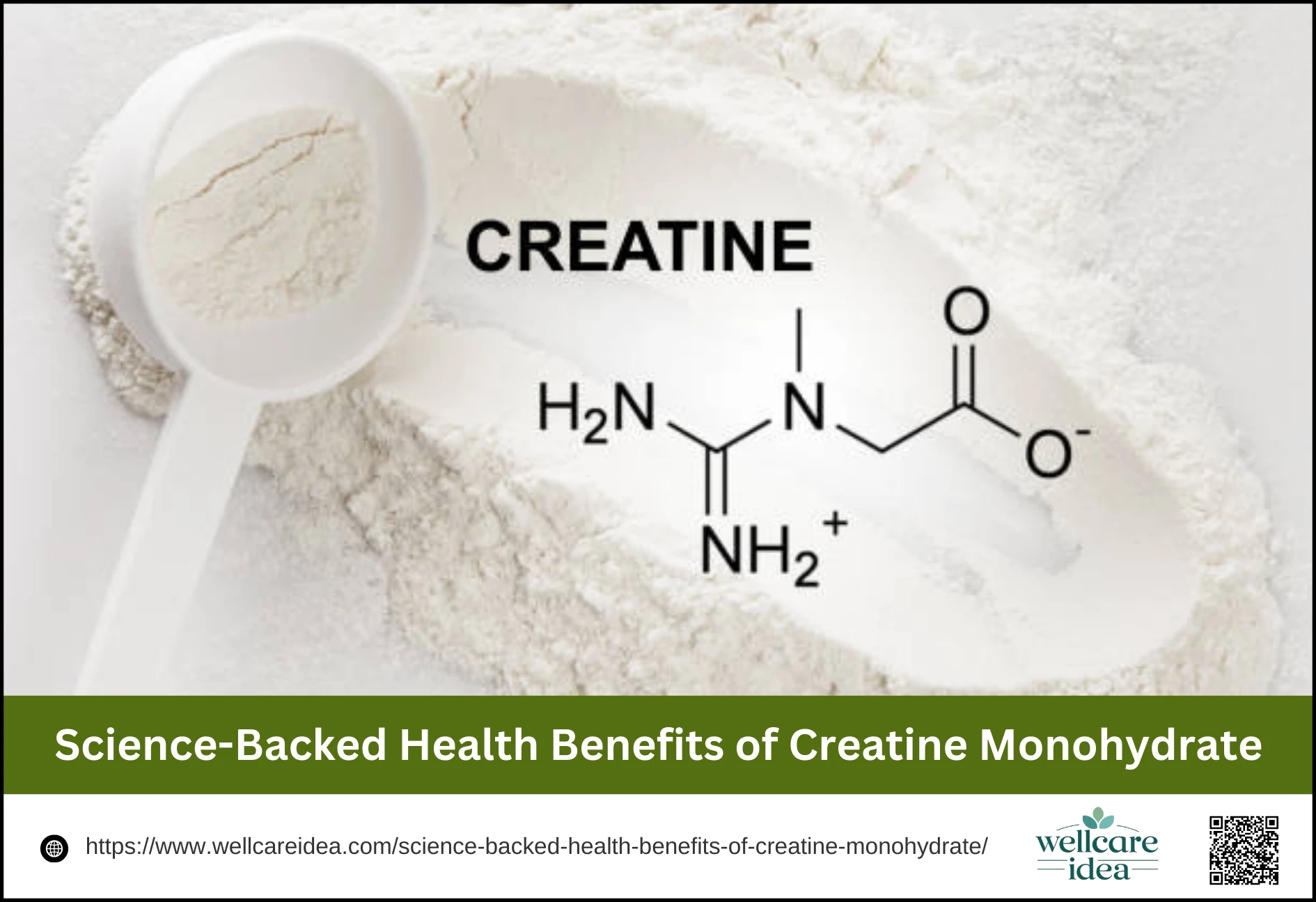
For individuals focused on health and wellness, separating fact from fitness trends is crucial. Among the many dietary supplements available, creatine monohydrate stands out due to decades of rigorous scientific research. While it is often associated with muscle building, evidence now shows its benefits extend far beyond the gym, supporting brain function and healthy aging. This article explores the multi-faceted advantages of creatine, grounded in findings from leading research institutions.
What is Creatine Monohydrate?
Creatine is a naturally occurring compound that your body produces from amino acids and stores primarily in your muscles. It can also be obtained through foods like red meat and fish. In its supplemental form, creatine monohydrate is the most common and extensively studied type. Inside your cells, creatine plays a vital role in energy production. It acts as a rapid-reserve energy system, helping to regenerate the primary energy molecule (ATP) during short bursts of high-intensity activity, such as lifting weights or sprinting. This fundamental role in cellular energy is the foundation for its wide-ranging benefits.
Science-Backed Health Benefits of Creatine Monohydrate
The consistent findings on creatine from hundreds of studies have led major health and sports organizations to recognize its effectiveness and safety. The benefits are well-documented across several key areas of health and performance.
1. Enhanced Muscle Strength and Power
One of the most consistent effects of creatine supplementation is improved muscle strength, especially when combined with resistance training. A 2024 meta-analysis of 23 studies concluded that creatine significantly increased both upper- and lower-body strength compared to a placebo during training programs 1
Earlier reviews found that, on average, strength gains from training were about 8% greater when supplemented with creatine 2
The mechanism is straightforward: by helping to replenish cellular energy faster, creatine allows you to perform more work or lift heavier weights during a training session, leading to greater strength adaptations over time.
2. Increased Muscle Mass
Creatine supplementation can support gains in lean muscle mass. Research indicates it helps create an environment in the muscle that is favorable for growth by increasing energy for protein synthesis, enhancing cellular hydration, and reducing muscle breakdown 3
It is important to clarify that creatine itself does not directly build muscle like a protein brick; instead, it enables you to train harder and more effectively, which stimulates muscle growth when paired with adequate nutrition and exercise. This makes it a powerful tool for anyone looking to increase muscle size through training.
2. Improved High-Intensity Exercise Performance
For any activity requiring short, intense efforts, creatine is a proven ergogenic aid. It enhances performance in tasks like repeated sprints, jumping, and weightlifting by optimizing the muscles’ rapid energy supply 4
This benefit applies not only to elite athletes but also to recreational exercisers, helping to improve workout capacity and training quality. Essentially, it helps you push harder and recover more quickly between intense efforts.
3. Cognitive and Brain Health Benefits
Emerging research highlights creatine’s significant role in brain health. Your brain is an energy-intensive organ, and creatine supports its energy metabolism. A 2024 systematic review found that creatine supplementation positively affected several cognitive domains in adults, including memory, attention, and processing speed 5
These effects may be particularly important under stressful conditions or with aging. A promising pilot study even showed that supplementing with creatine monohydrate increased brain creatine levels and improved cognitive scores in individuals with Alzheimer’s disease, suggesting potential for supporting brain energy in neurodegenerative conditions 6
4. Support for Healthy Aging and Sarcopenia
Age-related muscle loss, known as sarcopenia, is a major concern for long-term mobility and health. Creatine may offer a supportive strategy. While it does not stop aging, combining creatine with resistance training can help offset the loss of muscle mass and strength that occurs over time 7
By improving the outcomes of strength training in older adults, creatine helps maintain functional independence and vitality.
5. Special Benefit for Vegetarians and Vegans
Individuals who follow plant-based diets may experience an extra benefit from supplementation. Since dietary creatine is found almost exclusively in animal products, vegetarians and vegans typically start with lower baseline creatine stores in their muscles. Research suggests that supplementation in these groups can lead to even more pronounced improvements in cognitive and physical performance compared to those who consume meat, effectively normalizing their creatine levels.
Safety, Dosage, and Practical Use
Creatine monohydrate is one of the most thoroughly researched supplements available. For healthy individuals, long-term supplementation at recommended doses is considered safe. Minor side effects can include temporary water retention during initial use 8
The standard and most evidence-backed dosing protocol involves a loading phase. A common approach is to take 5 grams, four times daily (totaling 20 grams) for 5-7 days to rapidly saturate muscle stores, followed by a maintenance dose of 3-5 grams per day thereafter. An alternative, simpler method is to skip the loading phase and consistently take 3-5 grams daily; it will achieve the same saturation level, albeit more slowly over several weeks. It is crucial to purchase from reputable brands, as the supplement industry is not strictly regulated. Individuals with pre-existing kidney conditions should consult a doctor before use.
Conclusion
Creatine monohydrate offers a compelling combination of benefits supported by robust scientific evidence. From enhancing physical performance and supporting muscle growth to promoting cognitive health and healthy aging, its utility extends well beyond athletic circles. Its excellent safety profile and straightforward dosing make it a practical addition to a wellness-focused lifestyle. As with any supplement, it is most effective when used as part of a balanced diet and consistent exercise routine.