
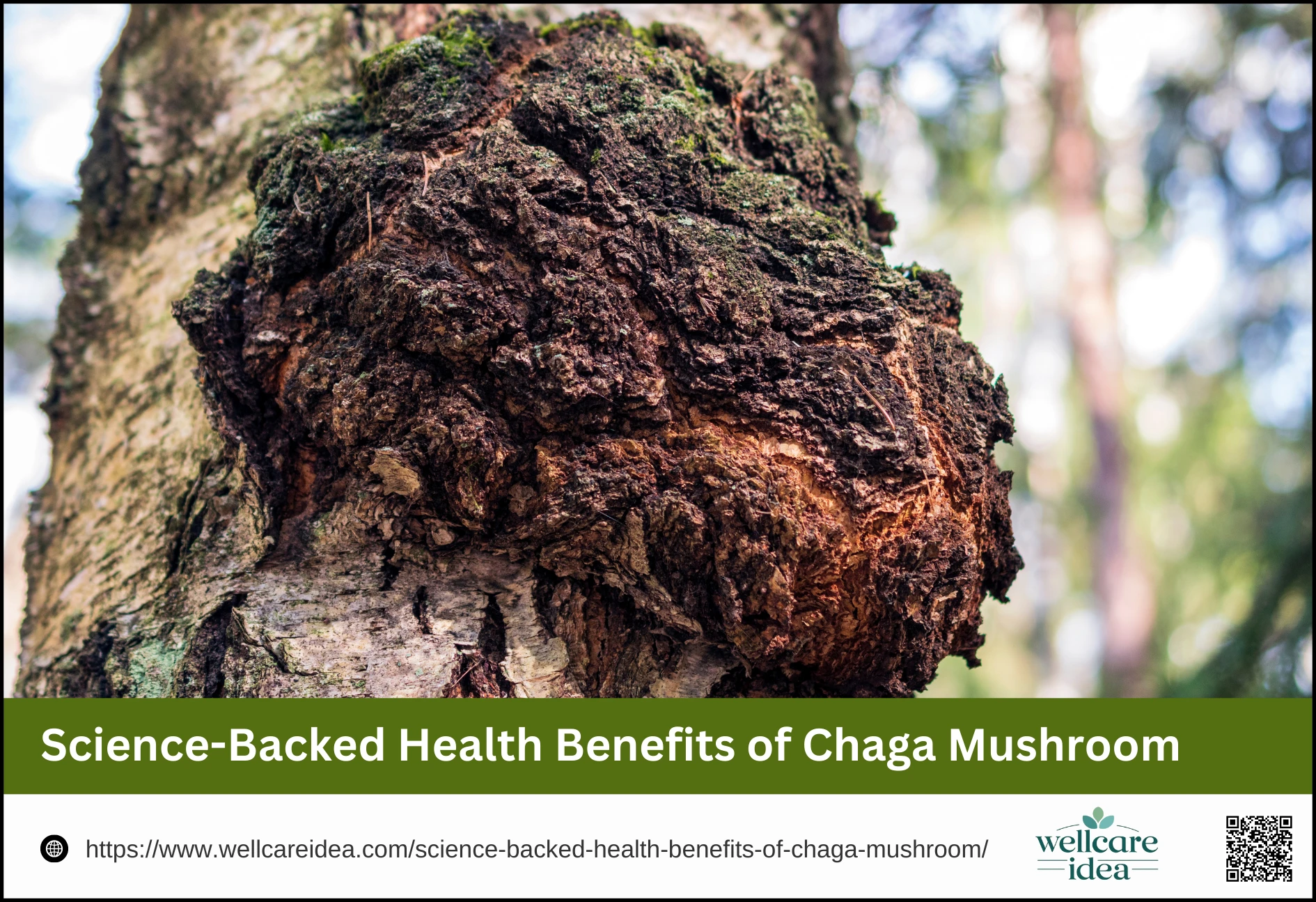
What is Chaga Mushroom?
Inonotus obliquus, commonly known as Chaga, is a fungus primarily found growing on the bark of birch trees in cold climates such as Northern Europe, Siberia, Russia, Korea, and Canada. Unlike typical soft mushrooms, Chaga resembles a dark, charcoal-like conk on the outside with a rich orange tissue inside. For centuries, it has been utilized in traditional medicine, particularly in Russia and the Baltics, to treat various ailments. Modern science has begun to validate these traditional uses, identifying Chaga as a dense source of bioactive compounds including polysaccharides, triterpenoids (such as betulin and betulinic acid), and polyphenols 1
1. Immune System Modulation and Cytokine Regulation
Research indicates that Chaga does not simply “boost” the immune system indiscriminately; rather, it acts as a biological response modifier. Studies have shown that compounds within Chaga, specifically inotodiol, can stimulate the maturation of dendritic cells, which are messengers that help the immune system recognize invaders 2 Furthermore, Chaga extracts have been observed to regulate the production of cytokines—specialized proteins that serve as the immune system’s chemical signals. By balancing these signals, Chaga can help the body respond effectively to pathogens without becoming overactive, which is crucial for maintaining overall immune health 1
2. Potent Antioxidant Activity and Oxidative Stress Reduction
Oxidative stress occurs when there is an imbalance between free radicals (unstable molecules) and the body’s ability to detoxify them. Chaga is renowned for its high antioxidant capacity. In clinical studies involving human lymphocytes (white blood cells), Chaga extract was found to reduce DNA damage caused by hydrogen peroxide by over 40% 3 This protective effect helps shield cells from the daily wear and tear of oxidation, potentially slowing cellular aging and reducing the risk of chronic diseases linked to oxidative damage.
3. Anti-Inflammatory Properties
Chronic inflammation is a root cause of many modern diseases, including arthritis and heart disease. Chaga has demonstrated the ability to inhibit the production of specific inflammatory mediators, such as nitric oxide and tumor necrosis factor-alpha (TNF-α). In animal models, Chaga extracts significantly reduced inflammation markers and even prevented anaphylactic shocks induced by allergens 4 This suggests that Chaga may be useful in managing conditions characterized by excessive inflammation.
4. Potential Anticancer and Antitumor Effects
While not a standalone cure, Chaga has shown promising anticancer potential in pre-clinical studies. Research indicates that Chaga extracts can arrest the cell cycle of cancer cells, effectively stopping them from dividing. Specifically, studies on liver cancer cells (HepG2) showed that Chaga induced apoptosis—programmed cell death—thereby reducing the tumor cell population 5 Additional research on oral cancer cells has revealed that Chaga extract can suppress energy metabolism in cancer cells, cutting off their fuel supply and inhibiting their growth 6
5. Blood Sugar Regulation and Improved Insulin Sensitivity
Metabolic health is another area where Chaga shows significant promise. In studies involving diabetic mice, polysaccharides derived from Chaga were found to restore body weight and significantly reduce fasting blood glucose levels 7 The mechanism appears to involve the restoration of insulin sensitivity and the improvement of glucose tolerance, suggesting that Chaga could serve as a functional food for managing Type 2 diabetes and preventing blood sugar spikes.
6. Cholesterol Management and Cardiovascular Support
High levels of “bad” cholesterol (LDL) are a major risk factor for heart disease. Chaga may help optimize lipid profiles. Research has demonstrated that Chaga polysaccharides can enhance cholesterol transportation in the liver, leading to reduced levels of triglycerides and LDL cholesterol while simultaneously increasing “good” HDL cholesterol 7 , 8 By improving these markers, Chaga supports cardiovascular health and may reduce the risk of plaque buildup in the arteries.
7. Antiviral and Antibacterial Activity
Historically used as an antiseptic, Chaga’s antiviral properties are now being explored scientifically. Extracts of Inonotus obliquus have demonstrated activity against various viruses, including Hepatitis C and HIV, in laboratory settings 9 The presence of betulin and other triterpenoids helps disrupt viral replication, providing a layer of defense against infections, although more human trials are needed to confirm therapeutic dosages.
8. Gastrointestinal Health and Gut Microbiome Support
A healthy gut is essential for overall wellness, and Chaga appears to protect intestinal integrity. In patients with Inflammatory Bowel Disease (IBD), Chaga extract was shown to reduce oxidative stress in lymphocytes, protecting them from DNA damage 10 Additionally, mushroom polysaccharides function as prebiotics, feeding beneficial gut bacteria and promoting a diverse microbiome, which is linked to improved digestion and immune function 11
9. Physical Endurance Enhancement and Fatigue Reduction
For those interested in fitness, Chaga may offer performance benefits. Animal studies have shown that Chaga polysaccharides can increase the glycogen content in the liver 12 Glycogen is the body’s stored form of energy; higher levels delay the onset of fatigue during prolonged physical exertion. By improving energy storage and metabolism, Chaga can potentially enhance endurance and reduce the feeling of tiredness associated with intense exercise.
Conclusion
The Chaga mushroom (Inonotus obliquus) is a powerhouse of bioactive compounds with a wide range of science-backed health benefits. From modulating the immune system and fighting oxidative stress to supporting metabolic health and physical endurance, the evidence supports its status as a valuable functional food. While it should not replace medical treatment, integrating Chaga into a wellness routine may offer significant protective effects for long-term health.