
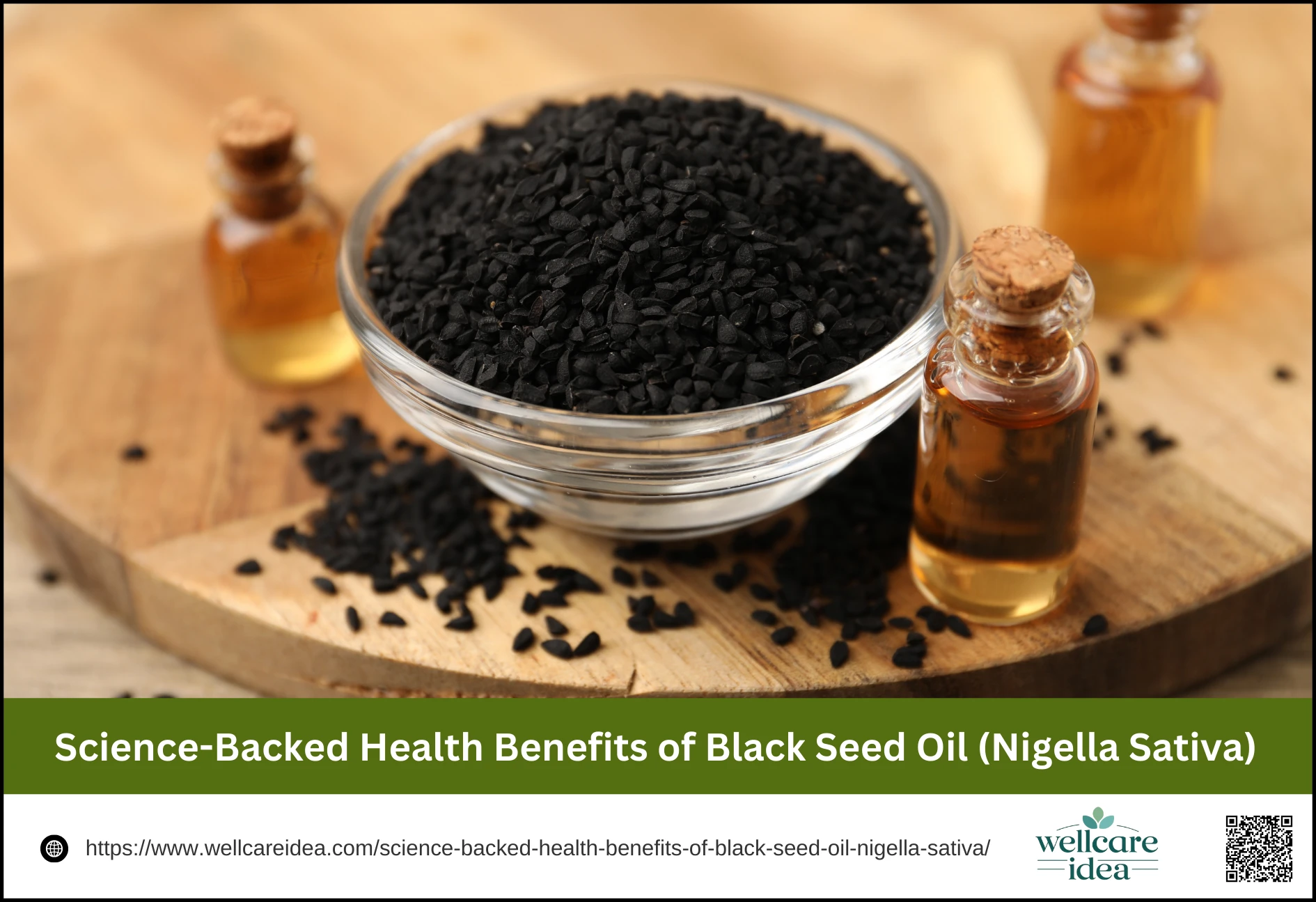
For centuries, black seed oil, pressed from the seeds of the Nigella sativa plant, has been revered in traditional medicine across the Middle East, Asia, and Africa. Today, modern science is beginning to validate its historical uses, revealing a wide array of potential health benefits linked to its rich composition of bioactive compounds, most notably thymoquinone. This article explores the evidence behind these benefits, drawing from clinical trials and scientific reviews.
What is Black Seed Oil (Nigella Sativa)?
Nigella sativa, commonly known as black cumin or black seed, is an annual flowering plant. Its small, dark seeds are cold-pressed to produce a potent oil. This oil is a complex mixture containing fixed oils, proteins, alkaloids, and a valuable essential oil rich in thymoquinone (TQ), which is considered a primary driver of its therapeutic effects 1 Traditionally, it has been used to support respiratory health, digestion, and skin conditions, and is now studied for its broader physiological impacts.
Science-Backed Health Benefits of Black Seed Oil
1. Powerful Antioxidant and Anti-Inflammatory Properties
Chronic inflammation and oxidative stress are root causes of many modern ailments. Research indicates that black seed oil can help counter these processes. In laboratory studies, the oil has demonstrated significant antioxidant activity and the ability to reduce the production of pro-inflammatory signaling molecules called cytokines 2 This foundational action is thought to underpin many of its other health benefits.
2. Supports Metabolic Health and Blood Sugar Regulation
Several human trials suggest black seed oil can be a valuable complement for managing blood sugar levels. A review of clinical studies found that supplementation with Nigella sativa powder or oil led to meaningful reductions in fasting blood glucose, post-meal blood sugar, and long-term blood sugar markers (HbA1c) in individuals with type 2 diabetes 3 These effects are attributed to improved insulin sensitivity and possibly enhanced function of insulin-producing cells.
3. May Improve Cholesterol and Support Heart Health
Heart health is closely tied to healthy cholesterol levels. A 2024 meta-analysis of 34 randomized controlled trials concluded that Nigella sativa supplementation significantly improves the lipid profile. It was found to lower total cholesterol, triglycerides, and “bad” LDL cholesterol, while also raising levels of “good” HDL cholesterol 4 By positively affecting these key risk factors, black seed oil may contribute to overall cardiovascular wellness.
4. Potential Anti-Cancer Properties (Preclinical Research)
While human clinical trials are still needed, preclinical research is promising. Laboratory and animal studies have shown that thymoquinone and other compounds in black seed oil can inhibit the growth and spread of cancer cells, induce programmed cell death (apoptosis), and protect against toxicity from certain chemotherapy drugs 5 These findings warrant further investigation into its potential as a supportive agent.
5. Beneficial for Respiratory Conditions like Asthma
The anti-inflammatory and bronchodilatory properties of black seed oil may be particularly helpful for respiratory conditions. A meta-analysis of randomized controlled trials in asthmatic patients found that supplementation was associated with improved asthma control test scores and better lung function (FEV1) 6 This suggests it may help ease symptoms and improve quality of life for some individuals with asthma.
6. Promotes Skin Health and Addresses Skin Conditions
The oil’s antimicrobial and anti-inflammatory effects extend to skin health. A systematic review of clinical trials reported that Nigella sativa, used both topically and orally, showed efficacy in helping manage various skin issues, including atopic dermatitis (eczema), acne, psoriasis, and vitiligo 7 Its multifaceted action helps soothe irritation and combat microbes that can exacerbate skin problems.
7. Neuroprotective Effects and Brain Health Support
Emerging research points to protective effects on the nervous system. Scientific reviews note that Nigella sativaand thymoquinone have demonstrated properties that may help improve memory, reduce anxiety and depression-like behaviors, and protect brain cells from damage in experimental models of neurodegeneration and neurotoxicity 8 , 9 These neuropharmacological effects highlight its potential for supporting cognitive function.
8. Antimicrobial and Anti-Fungal Activity
Black seed oil possesses broad-spectrum antimicrobial properties. A comprehensive review summarized that extracts and thymoquinone are effective against a range of pathogens, including various bacteria (both Gram-positive and Gram-negative), viruses, parasites, and fungi 10 This activity supports its traditional use for infections and suggests potential as a natural antimicrobial agent.
9. May Aid in Weight Management and Reduce Obesity Markers
Some clinical evidence indicates black seed oil may support weight management. A 2022 literature review concluded that long-term supplementation (typically 6-12 weeks) can lead to significant reductions in body weight, body mass index (BMI), and waist circumference 11 Proposed mechanisms include appetite suppression and inhibition of intestinal glucose absorption, contributing to lower caloric intake.
10. Supports Liver and Kidney Health
The protective (hepato- and nephroprotective) qualities of black seed oil are noted in pharmacological reviews. Studies, primarily in animal models, show that it can help protect these vital organs from damage caused by toxins, drugs, or disease states, often by boosting the body’s own antioxidant defenses and reducing inflammatory markers 12 , 13
Conclusion
The scientific exploration of black seed oil reveals a compelling profile of a natural substance with multifaceted health potential. From fighting inflammation and oxidative damage to supporting metabolic, cardiovascular, and neurological health, the evidence—though varying in depth for each benefit—points to a valuable complementary wellness aid. While generally considered safe for most people, it is important to consult with a healthcare provider before starting any new supplement, especially for those with pre-existing conditions or who are taking medications. As research continues, black seed oil stands as a promising example of how traditional remedies can intersect with modern science to promote overall health and well-being.