
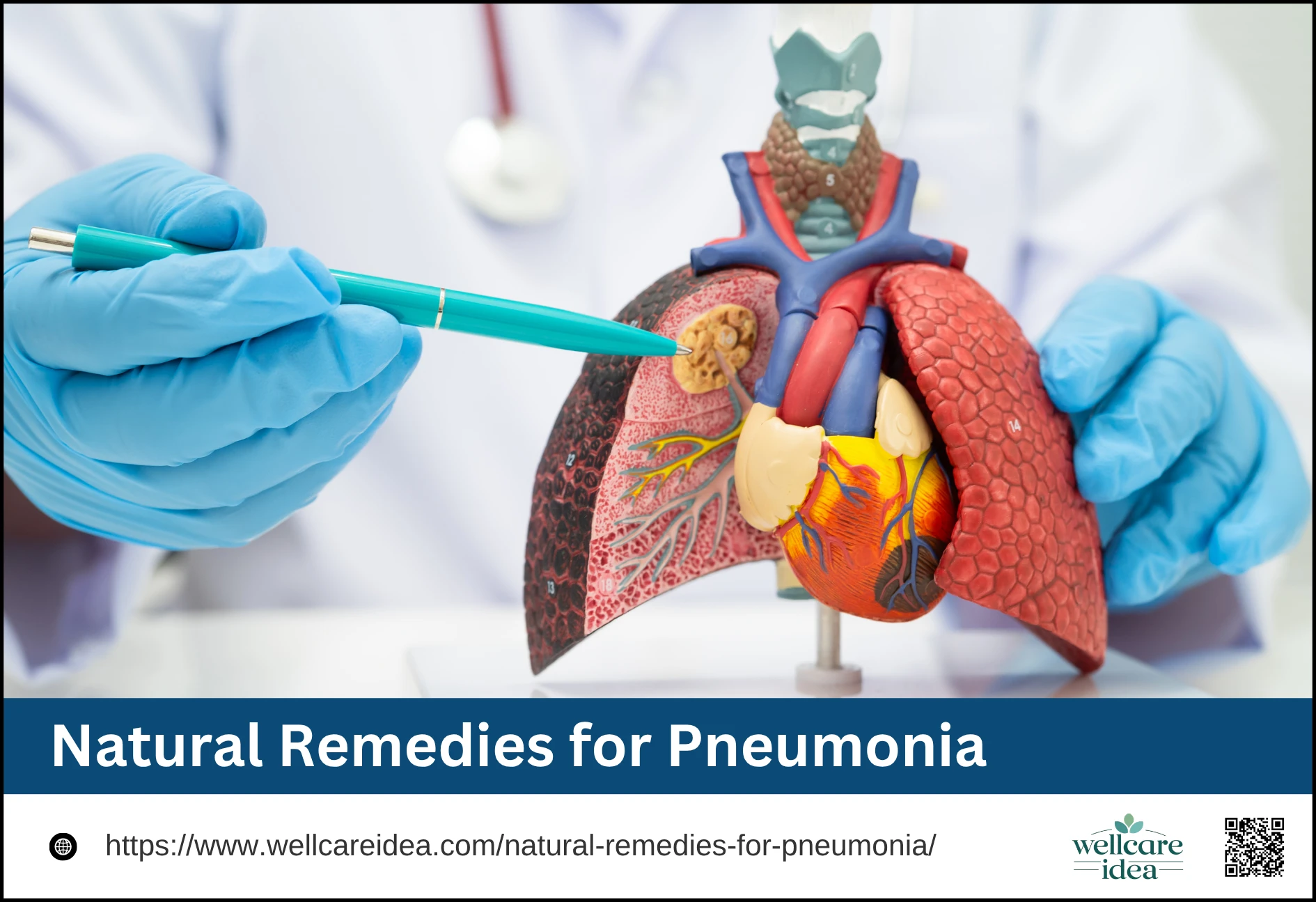
Pneumonia represents one of the most significant challenges in modern respiratory medicine, characterized by an acute infection that induces inflammation within the alveolar spaces of the lungs. The clinical manifestation of this condition involves the filling of these air sacs with fluid, pus, or cellular debris, which fundamentally impairs the critical process of gas exchange 1. While advances in antibiotic therapy and vaccination have altered the landscape of treatment, pneumonia remains a leading cause of hospitalization and mortality worldwide, accounting for over 1 million hospitalizations and 50,000 deaths annually in the United States alone 2 The complexity of the disease necessitates a multi-faceted management strategy that integrates standard pharmacological protocols with evidence-based supportive care and natural remedies designed to enhance host immunity and facilitate recovery.
Comprehensive Overview of Pneumonia
The anatomy of a pneumonia infection centers on the lower respiratory tract, specifically targeting the alveoli where oxygen enters the bloodstream and carbon dioxide is expelled. When pathogenic microorganisms such as bacteria, viruses, or fungi bypass the body’s primary defenses—including the cough reflex and the mucociliary escalator—they colonize these air sacs, triggering a robust inflammatory response 1, 3. This response results in the accumulation of inflammatory exudate, which thickens the alveolar-capillary membrane and reduces the surface area available for diffusion, leading to symptoms such as shortness of breath and fatigue 1, 4.
Etiological diversity is a hallmark of this condition, as pneumonia can be classified by the type of infecting agent and the environment in which the infection was acquired. Community-acquired pneumonia (CAP) is the most prevalent form, occurring outside of healthcare facilities, while hospital-acquired pneumonia (HAP) and ventilator-associated pneumonia (VAP) are typically caused by more virulent, multi-drug-resistant organisms {1 , 5 Furthermore, “walking pneumonia” is a non-medical term frequently used to describe atypical pneumonia caused by Mycoplasma pneumoniae, which often presents with milder symptoms that do not require bed rest but can persist for several weeks (https://www.mayoclinic.org/diseases-conditions/pneumonia/symptoms-causes/syc-20354204} , 6 , 7.
Biological mechanisms of defense are often overwhelmed when a person is in a high-risk group, such as the very young (under age 2), the elderly (over age 65), or those with chronic conditions like asthma, COPD, or heart failure 1 , 2 , 8. In these individuals, the immune system may either under-respond, allowing for rapid pathogen multiplication, or over-respond, leading to a cytokine storm that can result in systemic organ failure 9 , 4. Understanding the intersection of these factors is critical for developing a comprehensive treatment plan that balances infection control with supportive natural therapies.
Pneumonia Clinical Facts
| Feature | Detailed Clinical Information |
| Primary Symptoms | Productive cough (often with yellow, green, or blood-tinged phlegm), fever (above ), shaking chills, stabbing chest pain that worsens with deep breaths, fatigue, and dyspnea 1. |
| Atypical Presentations | Confusion or altered mental awareness in seniors; nausea, vomiting, or diarrhea; and hypothermia (lower than normal body temperature) in the elderly and immunocompromised 1. |
| Common Causes | Bacteria (Streptococcus pneumoniae, Haemophilus influenzae), viruses (Flu, RSV, COVID-19), and fungi (Pneumocystis jirovecii) 1. |
| Modes of Transmission | Airborne droplets from coughs/sneezes; aspiration of oropharyngeal secretions into the lungs; and contact with contaminated surfaces followed by touching the face 1. |
| Global Epidemiology | Sub-Saharan Africa and South Asia have the highest burden; pneumonia is the leading infectious cause of death for children under 5 globally 8. |
| High-Risk Profiles | Smoking, alcohol use disorder, malnutrition, exposure to air pollution, and underlying chronic diseases (diabetes, asthma, liver/kidney disease) 2. |
| Diagnostic Tools | Physical exam (crackling sounds in lungs), Chest X-ray (infiltrates), Lung Ultrasound, Blood cultures, Sputum tests, and Pulse Oximetry 10. |
| Standard Medications | Antibiotics (macrolides, fluoroquinolones), Antivirals, and supportive OTC drugs (NSAIDs like ibuprofen, acetaminophen) 7. |
| Prevention Methods | Vaccination (PCV13, PCV15, PCV20, PPSV23), handwashing, smoking cessation, and adequate sleep and nutrition 2. |
| Complications | Bacteremia (sepsis), pleural effusion (fluid around lungs), lung abscesses, and respiratory failure 4. |
Natural Remedies for Pneumonia
Integrating natural remedies into the recovery protocol for pneumonia requires a nuanced understanding of how dietary components, herbal agents, and lifestyle changes interact with the respiratory system’s physiology. These therapies are designed to support the standard medical treatment, accelerate the clearance of pathogens, and reduce the severity of inflammatory lung damage.
1. Diet-Based Natural Remedies and Nutritional Optimization
Nutritional support is fundamental to recovery, as the body’s metabolic demand increases significantly during an acute infection. The focus of a therapeutic diet for pneumonia should be on maintaining hydration, boosting cellular immunity, and reducing the intake of pro-inflammatory substances.
Physiological Mechanism of Hydration and Mucus Thinning
Maintaining peak hydration is perhaps the most critical supportive measure for a patient with pneumonia 10 The airway surface liquid (ASL) consists of two layers: the low-viscosity periciliary layer (PCL) and the overlying mucus layer 11 , 12. Adequate hydration ensures that the PCL remains at a sufficient volume to allow cilia to beat effectively and transport mucus out of the lungs—a process known as mucociliary clearance (MCC) 11 When hydration is insufficient, mucus becomes hyper-concentrated and “sticky,” which can lead to mucus plugging and secondary bacterial infections 13 , 12
Drinking water, herbal teas, and warm broths can help dilute the mucus, making it thinner and easier to expel through coughing 10 , 14 , 10 Warm liquids, in particular, provide the added benefit of soothing the throat and promoting local vasodilation in the respiratory mucosa, which can aid in the delivery of immune cells 14 , 15. Clinical guidelines suggest consuming at least 6 to 8 glasses of fluid daily during recovery 16
Immune-Boosting Foods: Garlic, Ginger, and Turmeric
The inclusion of specific phytochemical-rich foods can provide direct antimicrobial support and modulate the inflammatory cytokine response. Garlic (Allium sativum) contains the organosulfur compound allicin, which has demonstrated broad-spectrum antibacterial activity against several clinical isolates responsible for pneumonia, including Pseudomonas aeruginosa and Staphylococcus aureus 17. Research indicates that garlic extracts can achieve significant zones of inhibition against these pathogens, potentially reducing the overall microbial burden during an infection 18.
Ginger (Zingiber officinale) acts as a powerful anti-inflammatory agent through its bioactive component, 6-gingerol 19 6-gingerol inhibits the ERK- and p38 MAPK signaling pathways, thereby decreasing the expression of MUC5AC, a major mucin protein that contributes to airway obstruction in pulmonary diseases 17. Additionally, fresh ginger has shown specific antiviral activity against human respiratory syncytial virus (HRSV) by preventing viral attachment and internalization in airway cells 19.
Turmeric, specifically its active ingredient curcumin, is renowned for its ability to reduce lung inflammation and prevent scarring 20 , 19 Curcumin works by inhibiting the biosynthesis of prostaglandins and suppressing the activation of the NF-B pathway, which is the primary driver of the inflammatory “storm” seen in severe pneumonia cases 21 , 19 , 22 Studies in animal models have demonstrated that oral curcumin administration can significantly decrease immune cell infiltration and histological damage in inflamed lung tissue 22
The Gut-Lung Axis and Probiotics
Emerging research into the “gut-lung axis” suggests that the health of the intestinal microbiome directly influences the immune response in the respiratory tract 5 Probiotics, found in yogurt, kefir, and fermented foods, may serve as a prophylactic and adjunctive therapy for preventing ventilator-associated pneumonia and other secondary infections in critically ill patients 23 , 5. Large-scale meta-analyses of randomized controlled trials indicate that prophylactic administration of probiotics like Lactobacillus rhamnosus GG can reduce the incidence of pneumonia by approximately 30-31% in mechanically ventilated adults 24. For general recovery, probiotics help maintain immune homeostasis and can mitigate the diarrhea often associated with the high-dose antibiotics used to treat pneumonia 25
Substances to Avoid: Alcohol, Sugar, and Processed Foods
Dietary choices can also hinder recovery if they promote systemic inflammation or impair immune cell function. Chronic and acute alcohol consumption is particularly dangerous, as it suppresses the recruitment of neutrophils to the lungs and impairs the phagocytic capacity of alveolar macrophages—the body’s first line of defense against inhaled microbes 26 , 27 Furthermore, alcohol interferes with the ciliary beat frequency, slowing the physical removal of pathogens from the airway 26
Processed foods high in refined sugars can also be detrimental. High glucose levels can impair the function of white blood cells and have been linked to increased severity in respiratory infections 19 Additionally, excessive salt intake and processed fats can exacerbate systemic inflammation, making it harder for the lungs to resolve the acute inflammatory lesions caused by pneumonia 20 , 19
2. Herbal and Plant-Based Remedies
The use of specific herbal extracts can provide concentrated doses of antiviral and antibacterial compounds that complement standard care. Many of these plants have been validated in pharmacological studies for their ability to soothe the respiratory epithelium and promote the clearance of exudate.
Thyme and Eucalyptus: Volatile Support
Thyme (Thymus vulgaris) and its primary essential oil components, thymol and carvacrol, are recognized for their potent expectorant and antimicrobial properties 17 , 28 Thyme essential oil has been shown to exhibit antibacterial effects against pneumonia-causing pathogens such as Klebsiella pneumoniae and Streptococcus pneumoniae (https://pmc.ncbi.nlm.nih.gov/articles/PMC12029407/}. Because these compounds are volatile, they can reach the lower respiratory tract via inhalation, making direct contact with the site of infection 29
Eucalyptus (Eucalyptus globulus) is frequently used in steam inhalation to help open the airways and reduce congestion 30 , 31 Its primary active agent, 1,8-cineole (eucalyptol), possesses bronchodilator and anti-inflammatory effects that can facilitate easier breathing for individuals with bronchitis or pneumonia 30 Historically, eucalyptus plantations were even grown near hospitals in the 19th century due to the belief that their essential oils could purify the air and support respiratory patients 31
Licorice Root: Soothing and Immunomodulation
Licorice root (Glycyrrhiza glabra) has been a staple in Traditional Chinese Medicine (TCM) for over 2,000 years, often used to “harmonize” other herbs and soothe the respiratory tract 31. It contains glycyrrhizin, which provides anti-inflammatory and immunomodulatory properties by influencing the Th1/Th2 cell balance and reducing the accumulation of eosinophils in the lungs 42 30 Licorice root tinctures are often used to calm persistent coughs and reduce the irritation of the throat and bronchi during recovery 31
Honey as a Clinical Cough Suppressant
For the management of cough—one of the most distressing symptoms of pneumonia—honey is an exceptionally effective natural agent 32 , 33 Systematic reviews have concluded that honey can be more effective than common over-the-counter cough suppressants like dextromethorphan or diphenhydramine 34 , 35 Honey works by coating the throat and soothing the cough receptors located in the pharynx, while also providing antioxidant and anti-inflammatory benefits that may improve overall respiratory symptoms 32 , 36 , 35. Pediatricians recommend 0.5 to 1 teaspoon for children over age 1, while adults can use a full teaspoon every two hours as needed 36 , 33
3. Lifestyle and Home Remedies for Symptom Management
The physical environment and daily activities of a patient with pneumonia play a major role in how quickly the body can resolve the infection and heal damaged lung tissue.
Steam Inhalation and Humidification
Increasing the humidity of the air is a simple yet powerful way to ease the discomfort of pneumonia. Dry air can cause the already-inflamed airways to become more irritated, leading to painful, non-productive coughing 37 , 15 Using a humidifier in the bedroom keeps the air moist, which prevents the mucus from drying out and becoming harder to cough up 14 ,(https://my.clevelandclinic.org/health/diseases/15744-pneumonia-atypical-walking-pneumonia} , 38.
Steam inhalation—whether by taking a hot shower or leaning over a bowl of hot water with a towel over the head—provides direct moisture to the respiratory lining 14 , 15. Adding a few drops of eucalyptus or peppermint tincture to the water can further help open the sinuses and bronchi through their natural decongestant and antispasmodic properties 30 , 31.
Rest, Sleep, and Elevation
Clinical experts emphasize that rest is not just a comfort measure but an essential component of the body’s immune function during pneumonia recovery 10 , 14 , 10. Patients are advised to stay away from school or work until their temperature returns to normal and they are no longer coughing up significant amounts of mucus 10. Sleep should be a priority, as it is during this time that the body focuses its energy on tissue repair and the production of cytokines 2.
Sleeping in an elevated position—using extra pillows to prop up the head and chest—can significantly improve the ease of breathing. This position uses gravity to reduce the pressure of the abdominal organs on the diaphragm, allowing for better lung expansion and reducing the likelihood of fluid pooling in the lower lobes of the lungs 39.
Warm Compresses for Chest Discomfort
Pleuritic chest pain, a sharp or stabbing sensation when breathing deeply, is a common and painful symptom of pneumonia 4 , 40 Applying a warm compress or heating pad to the chest can help relax the intercostal muscles and soothe the inflammation of the pleura (the lining of the lungs) 25 14. This non-pharmacological approach can provide relief and make it easier for the patient to perform necessary deep breathing exercises 38.
4. Breathing Exercises and Physical Support
Once the acute stage of the infection has begun to resolve, physical therapy techniques are crucial for restoring lung volume and preventing long-term complications like fibrosis or atelectasis.
Diaphragmatic and Pursed-Lip Breathing
Diaphragmatic breathing, or “belly breathing,” trains the patient to use the diaphragm—the main muscle for breathing—more effectively 41 , 42. To practice this, one should place one hand on the chest and the other on the abdomen 41 , 43 During inhalation, the goal is to make the belly rise while the chest stays relatively still; during exhalation, the belly should fall. This exercise strengthens the diaphragm, reduces the work of breathing, and improves oxygen exchange 41 , 44
Pursed-lip breathing is used to control shortness of breath 45 , 46. By inhaling through the nose and exhaling slowly through puckered lips (as if blowing out a candle) for twice as long as the inhale, the patient creates back-pressure in the airways 44 , 46. This keeps the air passages open longer, allowing more trapped air to be exhaled and more fresh oxygen to enter 41 , 46.
Airway Clearance: The Huff Cough
Standard coughing can sometimes be too shallow to move deep-seated mucus. The “huff cough” technique involves taking a medium-sized breath and then using the abdominal muscles to exhale forcefully while saying the word “huff” with an open throat 47 , 41 , 48. This pushes mucus into the larger airways, making it much easier to clear without the strain of repetitive, violent coughing 41 , 44.
Light Physical Activity and Early Mobilization
While rest is essential during the acute phase, prolonged bed rest can increase the risk of blood clots (DVT) and muscle wasting 49 , 50. Once the fever has subsided and energy levels begin to return—usually by the second or third week—patients should begin a walking program 16 , 50. Starting with just five minutes around the house, twice daily, and gradually increasing the duration helps to improve overall oxygen utilization and strengthens the respiratory muscles 16 , 50.
Section 4: Precautions and Contraindications for Natural Remedies
Natural remedies are a powerful tool, but they are not without risk. It is vital to use them responsibly and in conjunction with professional medical advice.
1. Pediatric Safety and Infant Botulism
The most significant precaution regarding natural remedies for pneumonia is the use of honey in infants. Due to the risk of infant botulism—a rare but potentially fatal form of food poisoning caused by Clostridium botulinum spores—honey must never be given to a child younger than 12 months 44 32 , 33 , 35. These spores can multiply in a baby’s immature digestive tract and produce toxins that lead to muscle paralysis and respiratory failure 32 , 35.
2. Herb-Drug Interactions and Toxicities
Certain herbal remedies can interact with medications or cause systemic toxicity. Licorice root, if taken in excessive amounts or by individuals with sensitive conditions, can cause pseudoaldosteronism. This condition is characterized by sodium retention, hypertension, and hypokalemia (low potassium), which can actually lead to diaphragmatic weakness and worsen respiratory failure 51.
Similarly, while essential oils like thyme and eucalyptus are beneficial for inhalation, they should never be ingested orally without professional guidance, as they can be toxic in concentrated amounts 52. Steam inhalation itself should be performed with caution to avoid steam burns, particularly when using the traditional “bowl and towel” method with boiling water 53
3. Knowing When to Seek Urgent Medical Care
Natural remedies should never delay the use of life-saving medical interventions. If symptoms worsen despite supportive care, one should seek immediate medical attention 1 , 2. Emergency signs include:
- A persistent fever of () or higher 1
- Bluish color in the lips or fingertips (cyanosis), indicating low oxygen levels 4.
- Rapid breathing (more than 30 breaths per minute) or extreme difficulty catching one’s breath 10 , 54.
- Confusion, disorientation, or excessive sleepiness 1 , 10
- Coughing up blood or significant amounts of pus 1 , 2
The Path to Recovery: Timelines and Expectations
The journey back to full health after a bout of pneumonia is often measured in weeks rather than days. For most healthy adults, the acute symptoms may fade within 7 to 10 days, but the lingering fatigue and diminished lung capacity can last for 4 to 8 weeks 10 , 16
Clinical Recovery Milestones
| Timeline | Typical Recovery Expectations |
| Week 1 | Fever subsides with antibiotics; cough remains productive; extreme fatigue is common 16. |
| Weeks 2-3 | Breathlessness decreases during rest but persists with movement; appetite begins to return 16. |
| Weeks 4-6 | Phlegm production significantly decreases; energy levels stabilize; return to light activities 16. |
| Months 3-6 | Full lung function is usually restored; elderly patients may still experience reduced stamina 16. |
It is essential to remain patient during this process. Trying to jump back into a full exercise routine or a high-stress job too early can lead to a relapse or long-term chronic fatigue 10 , 55. Continuing with breathing exercises, maintaining a nutrient-dense diet, and strictly adhering to any prescribed antibiotic course—even after feeling better—are the most effective ways to ensure a complete and lasting recovery 10 , 7 , 10.
Global Perspectives and Future Outlook in Pneumonia Care
The burden of pneumonia is not distributed equally across the globe. While North America and Europe have seen death rates drop significantly due to high vaccination coverage and better healthcare access, Sub-Saharan Africa and Southeast Asia still face staggering mortality rates, especially in children 11 {https://www.cdc.gov/pneumococcal/php/surveillance/index.html] , 56 , 57. In these regions, undernutrition (wasting) is the single largest contributor to pneumonia deaths, as the body cannot mount an effective defense without sufficient protein and energy intake 57.
Research is currently focused on the development of “multiplex” vaccines that can cover more serotypes of Streptococcus pneumoniae and the potential of adjunctive therapies—like corticosteroids for severe cases—to reduce systemic inflammation and mortality 54 , 9 , 58 Simultaneously, the scientific validation of traditional remedies continues to expand, offering hope for more accessible, low-cost supportive treatments in the world’s most vulnerable populations {https://pubmed.ncbi.nlm.nih.gov/40860873/] , 59
Integrative care, which respects both the power of modern antibiotics and the supportive benefits of natural medicine, remains the gold standard for navigating the complex path from a pneumonia diagnosis to full respiratory vitality. By following an evidence-based plan that includes hydration, targeted herbal support, lifestyle modification, and pulmonary rehabilitation, individuals can not only survive pneumonia but also emerge with a stronger, more resilient respiratory system.
Works cited
- Pneumonia – Symptoms and causes – Mayo Clinic, accessed April 1, 2026, https://www.mayoclinic.org/diseases-conditions/pneumonia/symptoms-causes/syc-20354204
- Consumer Health: Recognizing the signs of pneumonia – Mayo Clinic News Network, accessed April 1, 2026, https://newsnetwork.mayoclinic.org/discussion/consumer-health-recognizing-the-signs-of-pneumonia/
- About Pneumonia – CDC, accessed April 1, 2026, https://www.cdc.gov/pneumonia/about/index.html
- Pneumonia Overview: Types, Causes, Symptoms, and Treatment | Pfizer, accessed April 1, 2026, https://www.pfizer.com/disease-and-conditions/pneumonia
- Probiotics to reduce ventilator-associated pneumonia in adults with acute non‑anoxic brain injury: Study Protocol for a Double-Blind Multicenter Randomized International Clinical Trial (PROACT) – PubMed, accessed April 1, 2026, https://pubmed.ncbi.nlm.nih.gov/41214813/
- Mayo Clinic Minute: Is pneumonia bacterial or viral? – YouTube, accessed April 1, 2026, https://www.youtube.com/watch?v=eJppC_W_LnQ
- Walking Pneumonia: What Is It, Causes, Symptoms & Treatment – Cleveland Clinic, accessed April 1, 2026, https://my.clevelandclinic.org/health/diseases/15744-pneumonia-atypical-walking-pneumonia
- Pneumonia – World Health Organization (WHO), accessed April 1, 2026, https://www.who.int/health-topics/pneumonia
- Steroid use in pneumonia – Mayo Clinic, accessed April 1, 2026, https://www.mayoclinic.org/medical-professionals/pulmonary-medicine/news/steroid-use-in-pneumonia/mac-20530202
- Pneumonia: Symptoms, Causes, and Treatment – Harvard Health, accessed April 1, 2026, https://www.health.harvard.edu/topics/pneumonia
- Pneumococcal Disease Surveillance and Trends – CDC, accessed April 1, 2026, https://www.cdc.gov/pneumococcal/php/surveillance/index.html
- Global, regional, and national estimates of pneumonia morbidity and mortality in children younger than 5 years between 2000 and 2015: a systematic analysis – PMC, accessed April 1, 2026, https://pmc.ncbi.nlm.nih.gov/articles/PMC6293057/
- Pneumonia – Our World in Data, accessed April 1, 2026, https://ourworldindata.org/pneumonia
- Community-Acquired Pneumonia – StatPearls – NCBI Bookshelf – NIH, accessed April 1, 2026, https://www.ncbi.nlm.nih.gov/books/NBK430749/
- Pneumonia – Harvard Health, accessed April 1, 2026, https://www.health.harvard.edu/a_to_z/pneumonia-a-to-z
- Pneumonia – Diagnosis and treatment – Mayo Clinic, accessed April 1, 2026, https://www.mayoclinic.org/diseases-conditions/pneumonia/diagnosis-treatment/drc-20354210
- 2025 American Thoracic Society Clinical Practice Guideline Updates for the Diagnosis and Management of Community-Acquired Pneumonia | Contagion Live, accessed April 1, 2026, https://www.contagionlive.com/view/2025-american-thoracic-society-clinical-practice-guideline-updates-for-the-diagnosis-and-management-of-community-acquired-pneumonia
- Guideline for the Treatment of Community-Acquired Pneumonia: Outpatient Diagnosis and Management – PcMED Project, accessed April 1, 2026, https://pcmedproject.com/pulmonary/guideline-for-the-treatment-of-community-acquired-pneumonia-outpatient-diagnosis-and-management/
- Diagnosis and Treatment of Adults with Community-acquired Pneumonia. An Official Clinical Practice Guideline of the American Thoracic Society and Infectious Diseases Society of America | American Journal of Respiratory and Critical Care Medicine, accessed April 1, 2026, https://www.atsjournals.org/doi/full/10.1164/rccm.201908-1581ST
- Review of the 2019 ATS/IDSA CAP Guidelines – Pennsylvania Society of Health-System Pharmacists, accessed April 1, 2026, https://www.pshp.org/news/544351/Review-of-the-2019-ATSIDSA-CAP-Guidelines.htm
- Pneumonia Prevention and Control – CDC, accessed April 1, 2026, https://www.cdc.gov/pneumonia/prevention/index.html
- Structure and Function of the Mucus Clearance System of the Lung – PMC – NIH, accessed April 1, 2026, https://pmc.ncbi.nlm.nih.gov/articles/PMC3721269/
- Effective Mucus Clearance Is Essential for Respiratory Health – PMC – NIH, accessed April 1, 2026, https://pmc.ncbi.nlm.nih.gov/articles/PMC2658694/
- The Relationship of Mucus Concentration (Hydration) to Mucus Osmotic Pressure and Transport in Chronic Bronchitis – PMC, accessed April 1, 2026, https://pmc.ncbi.nlm.nih.gov/articles/PMC4532825/
- Pneumonia Treatment and Recovery – American Lung Association, accessed April 1, 2026, https://www.lung.org/lung-health-diseases/lung-disease-lookup/pneumonia/treatment-and-recovery
- Acute Bronchitis – Harvard Health, accessed April 1, 2026, https://www.health.harvard.edu/a_to_z/acute-bronchitis-a-to-z
- Recovering from Pneumonia: Exercises and Breathing Techniques – Mobile Physiotherapist, accessed April 1, 2026, https://mobilephysiotherapist.co.uk/blog/recovering-from-pneumonia-exercises-breathing.html
- Plant-Derived Natural Products as Lead Agents against Common …, accessed April 1, 2026, https://pmc.ncbi.nlm.nih.gov/articles/PMC9144277/
- Antibacterial effect of Allium sativum cloves and Zingiber officinale rhizomes against multiple-drug resistant clinical pathogens – PMC, accessed April 1, 2026, https://pmc.ncbi.nlm.nih.gov/articles/PMC3609356/
- Can an anti-inflammatory diet be effective in preventing or treating viral respiratory diseases? A systematic narrative review – PMC, accessed April 1, 2026, https://pmc.ncbi.nlm.nih.gov/articles/PMC9587761/
- Traditional Herbal Plants and their Phytoconstituents Based Remedies for Respiratory Diseases: A Review, accessed April 1, 2026, https://openrespiratorymedicinejournal.com/VOLUME/19/ELOCATOR/e18743064341009/FULLTEXT/
- Natural products alleviate viral pneumonia by modulating inflammatory and oxidative-stress pathways – PMC, accessed April 1, 2026, https://pmc.ncbi.nlm.nih.gov/articles/PMC12375593/
- Curcumin Ameliorates Particulate Matter-Induced Pulmonary Injury through Bimodal Regulation of Macrophage Inflammation via NF-κB and Nrf2 – PMC, accessed April 1, 2026, https://pmc.ncbi.nlm.nih.gov/articles/PMC9915121/
- Probiotics to reduce ventilator-associated pneumonia in adults with acute non‑anoxic brain injury: Study Protocol for a Double-Blind Multicenter Randomized International Clinical Trial (PROACT) – PMC, accessed April 1, 2026, https://pmc.ncbi.nlm.nih.gov/articles/PMC12599058/
- Probiotics: Prevention of Severe Pneumonia and Endotracheal Colonization Trial-PROSPECT: a pilot trial – PubMed, accessed April 1, 2026, https://pubmed.ncbi.nlm.nih.gov/27480757/
- Probiotic in the prevention of ventilator-associated pneumonia in critically ill patients: evidence from meta-analysis and trial sequential analysis of randomized clinical trials – PubMed, accessed April 1, 2026, https://pubmed.ncbi.nlm.nih.gov/35484547/
- Alcohol’s Effects on the Lung and Lung Disease – PMC, accessed April 1, 2026, https://pmc.ncbi.nlm.nih.gov/articles/PMC12651588/
- Alcohol’s Effects on Lung Health and Immunity – PMC, accessed April 1, 2026, https://pmc.ncbi.nlm.nih.gov/articles/PMC4590617/
- Thymol and Thyme Essential Oil—New Insights into Selected Therapeutic Applications, accessed April 1, 2026, https://pmc.ncbi.nlm.nih.gov/articles/PMC7571078/
- Antibacterial Effects of Bulgarian Oregano and Thyme Essential Oils Alone and in Combination with Antibiotics Against Klebsiella pneumoniae and Pseudomonas aeruginosa – PMC, accessed April 1, 2026, https://pmc.ncbi.nlm.nih.gov/articles/PMC12029407/
- Antibacterial activity evaluation of selected essential oils in liquid and vapor phase on respiratory tract pathogens – PMC, accessed April 1, 2026, https://pmc.ncbi.nlm.nih.gov/articles/PMC6064118/
- (PDF) Medicinal Plants for Respiratory Diseases – ResearchGate, accessed April 1, 2026, https://www.researchgate.net/publication/396507352_Medicinal_Plants_for_Respiratory_Diseases
- Breathe Better: The Best Herbal Tinctures for Lung Health and Natural Respiratory Support, accessed April 1, 2026, https://sacredplantco.com/blogs/natures-pharmacy-exploring-the-historical-uses-and-health-benefits-of-medicinal-herbs/breathe-better-the-best-herbal-tinctures-for-lung-health-and-natural-respiratory-support
- Honey – Mayo Clinic, accessed April 1, 2026, https://www.mayoclinic.org/drugs-supplements-honey/art-20363819
- Honey: An effective cough remedy? – Mayo Clinic, accessed April 1, 2026, https://www.mayoclinic.org/symptoms/cough/expert-answers/honey/faq-20058031
- The Therapeutic Effect of Honey on Respiratory Infections: A Systematic Review, accessed April 1, 2026, https://www.researchgate.net/publication/389405564_The_Therapeutic_Effect_of_Honey_on_Respiratory_Infections_A_Systematic_Review
- Mayo Clinic Minute: Can honey help with coughs?, accessed April 1, 2026, https://newsnetwork.mayoclinic.org/discussion/mayo-clinic-minute-can-honey-help-with-coughs/
- Mayo Clinic Minute: Can honey help with coughs? – YouTube, accessed April 1, 2026, https://www.youtube.com/watch?v=15hD2BHRQfY
- Mouth breathing, dry air, and low water permeation promote inflammation, and activate neural pathways, by osmotic stresses acting on airway lining mucus – PMC, accessed April 1, 2026, https://pmc.ncbi.nlm.nih.gov/articles/PMC10392678/
- Does anyone have pneumonia while treating abscesses – Mayo Clinic Connect, accessed April 1, 2026, https://connect.mayoclinic.org/discussion/does-anyone-have-pneumonia-while-treating-abscesses/
- How Lung Exercises Can Speed Up Pneumonia Healing | Gwinnett Pulmonary & Sleep, accessed April 1, 2026, https://gwinnettlung.com/how-lung-exercises-can-speed-up-pneumonia-healing/
- Deep breathing exercise – Torbay and South Devon NHS Foundation Trust, accessed April 1, 2026, https://www.torbayandsouthdevon.nhs.uk/services/pain-service/reconnect2life/creating-skills-for-the-future/learning-relaxation-skills/deep-breathing-exercise/
- Exercise Program Instructions | Patient Care – Weill Cornell Medicine, accessed April 1, 2026, https://weillcornell.org/services/rehabilitation-medicine/covid-19-recovery-clinic/patient-resources/covid-19-exercise-program/exercise-program-instructions
- Breathe Better with Pulmonary Rehabilitation Exercises, accessed April 1, 2026, https://allendalehc.com/pulmonary-rehab-exercises-breathe-better/
- accessed April 1, 2026, https://www.lung.org/lung-health-diseases/wellness/breathing-exercises#:~:text=Pucker%20or%20purse%20your%20lips,%2C%202%2C%203%2C%204.
- Breathing Exercises – American Lung Association, accessed April 1, 2026, https://www.lung.org/lung-health-diseases/wellness/breathing-exercises
- Perioperative respiratory rehabilitation: evolving concepts and clinical applications – PMC, accessed April 1, 2026, https://pmc.ncbi.nlm.nih.gov/articles/PMC12890547/
- Breathing exercises for chest clearance – Gloucestershire Hospitals NHS Foundation Trust, accessed April 1, 2026, https://www.gloshospitals.nhs.uk/your-visit/patient-information-leaflets/breathing-exercises-chest-clearance/
- Early mobilization, breathing exercises and chest wall oscillation in patients with bilateral pneumonia disease in the intensive care unit: a randomized clinical trial – PMC, accessed April 1, 2026, https://pmc.ncbi.nlm.nih.gov/articles/PMC12822338/
- How To Reduce The Negative Effects Of Pneumonia Through Exercise | Healing Holidays, accessed April 1, 2026, https://www.healingholidays.com/blog/how-to-reduce-the-negative-effects-of-pneumonia-through-exercise
- Case report: Severe respiratory failure caused by licorice – Frontiers, accessed April 1, 2026, https://www.frontiersin.org/journals/pharmacology/articles/10.3389/fphar.2023.1289755/full
- Essential oils in the treatment of respiratory tract diseases highlighting their role in bacterial infections and their anti‐inflammatory action: a review – PMC, accessed April 1, 2026, https://pmc.ncbi.nlm.nih.gov/articles/PMC7163989/
- Nonpharmacological home remedies for upper respiratory tract …, accessed April 1, 2026, https://pmc.ncbi.nlm.nih.gov/articles/PMC10667067/
- PNEUMONIA – A post Lobectomy complication | Mayo Clinic Connect, accessed April 1, 2026, https://connect.mayoclinic.org/discussion/pneumonia-a-post-lobectomy-complication/
- Natural products alleviate viral pneumonia by modulating inflammatory and oxidative-stress pathways – PubMed, accessed April 1, 2026, https://pubmed.ncbi.nlm.nih.gov/40860873/
- Network pharmacology predicts targets and pathways of herbal components for the treatment of pneumonia: A review – PMC, accessed April 1, 2026, https://pmc.ncbi.nlm.nih.gov/articles/PMC11789858/