
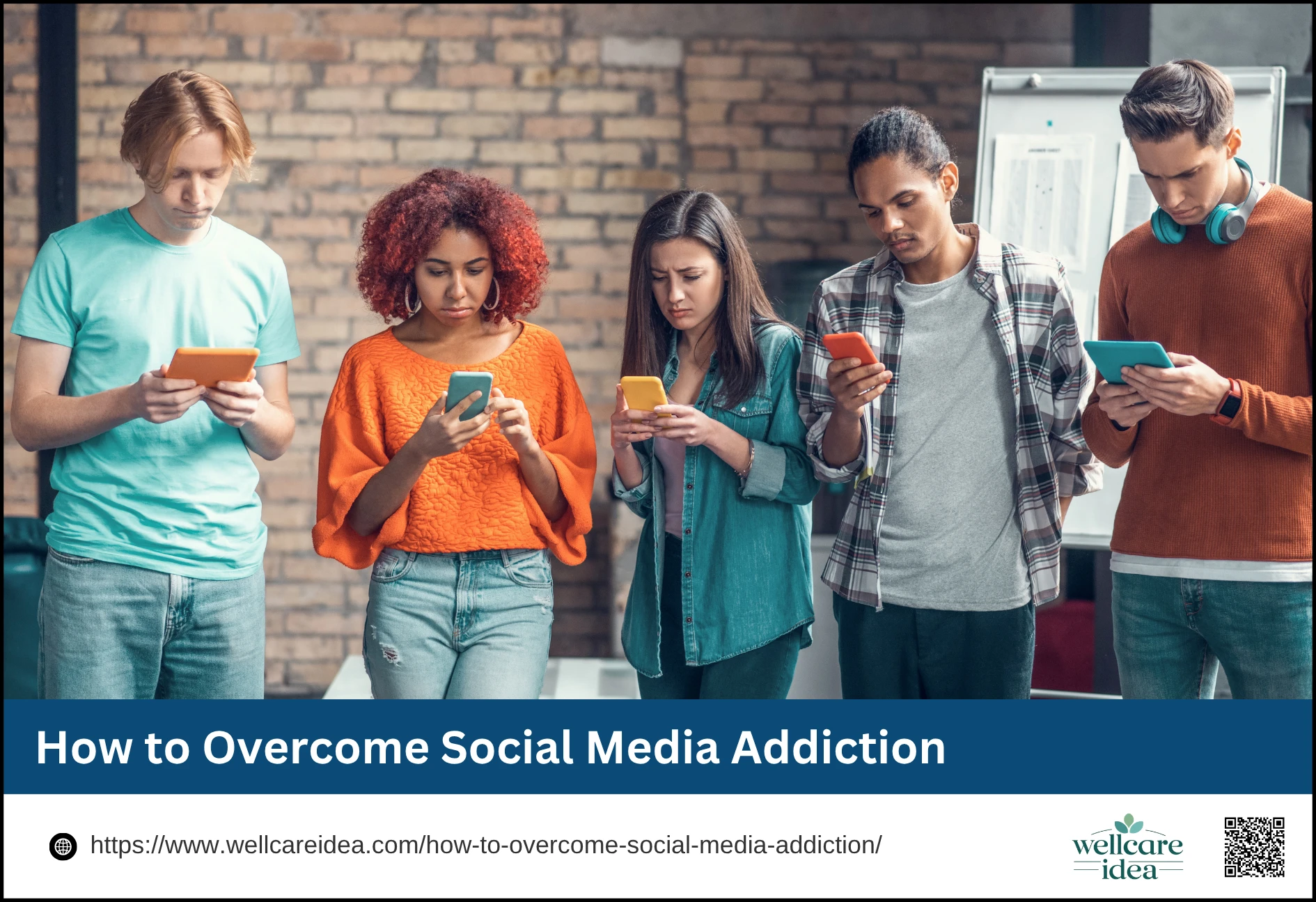
Opening your eyes in the morning and immediately reaching for your smartphone has become a universal habit, but for many, it represents the beginning of a relentless daily compulsion. Social media addiction is a behavioral condition where you become so preoccupied with online platforms that it severely disrupts your interpersonal relationships, occupational duties, and overall physical health. Clinicians evaluate this condition based on several diagnostic criteria, including the sheer duration of time you spend planning to use these platforms, using them as an escape from real-world stressors, and experiencing acute distress when your access is restricted 1. It is not merely a matter of lacking willpower; it is a profound behavioral dependency that mimics the symptoms of traditional substance use disorders.
Beneath the surface of these colorful screens lies a sophisticated neurological trap designed to hijack your brain’s natural reward system. Every time you receive a like, comment, or notification, your brain experiences an overactivation of its dopamine pathways, generating a brief but potent surge of pleasure 2. Over time, your mind adapts to this constant hyper-stimulation by reducing its natural reward sensitivity, meaning you require ever-increasing amounts of screen time just to feel a baseline level of emotional normalcy. This biological adaptation traps you in an unrelenting cycle of desiring, seeking, and anticipating digital validation, making it incredibly difficult to break the habit through sheer determination alone.
Social Media Addiction Facts
To truly understand the scope and severity of this issue, it helps to look closely at the clinical data and demographic realities. The following table outlines the foundational facts, symptoms, and treatment protocols associated with this behavioral dependency.
| Symptoms | Engagement in social media leads to a noticeable, artificial modification of your mood. You experience ever-increasing tolerance, requiring more screen time to feel satisfied.Unpleasant physical and emotional withdrawal symptoms occur when access is stopped. You quickly relapse into excessive usage even after periods of intentional abstinence 3. |
| Causes | Continuous scrolling triggers an unrelenting dopamine cycle in your brain. Platforms use variable rewards (likes, tags) to manipulate your reward sensitivity. The habit is reinforced by complex algorithms designed to maximize your screen time 4. |
| Types | Image-based platform dependency, which is heavily associated with body dysmorphia. Text-based platform dependency, often linked to doom scrolling and outrage consumption. Passive consumption, where you mindlessly absorb content without active social engagement 5. |
| How It Spreads | Viral trends and challenges spread rapidly through social contagion mechanisms. Algorithmic amplification pushes highly emotive content to vulnerable users. Peer pressure and the fear of missing out normalize constant digital presence 6. |
| Age Group | Approximately 40% of young adults aged 18 to 22 self-report being addicted to social platforms. Among adults aged 23 to 38, roughly 37% admit to struggling with social media dependency. The prevalence steadily decreases in older demographics, dropping to 21% for ages 55 to 64 7. |
| You might be at a higher risk if you: | Struggle with high levels of generalized or social anxiety in real life. Exhibit high impulsivity and struggle with emotional self-regulation. Have a strong tendency to allocate attentional resources toward negative information. Suffer from low self-esteem and seek external validation to feel secure 8. |
| How doctors diagnose | Clinicians often utilize the Bergen Social Media Addiction Scale (BSMAS), a 6-item questionnaire. Patients rate their behaviors on a 5-point Likert scale to measure compulsivity. A total score of 19 or higher is widely recognized as indicating problematic or addictive use 9. |
| Treatment and Medications | Cognitive Behavioral Therapy (CBT) and Dialectical Behavior Therapy (DBT) are primary interventions. Motivational interviewing is used to help you find the internal drive to change your habits. Digital detox retreats offer tech-free environments to break the immediate chemical dependency 10. |
| Methods of Prevention | Establish clear daily time limits for total digital consumption. Create device-free zones in your home, particularly during family meals and before bedtime. Monitor your privacy settings and actively curate your feed to remove distressing content 11. |
The Hidden Costs: Physical, Romantic, and Workplace Impacts
Moving beyond the mind, your physical health bears a substantial burden when you spend hours hunched over a glowing screen. Sleep quality is consistently reported as one of the health domains most devastated by problematic digital use, primarily due to nighttime scrolling 12. The artificial blue light emitted by your phone actively suppresses your body’s natural melatonin production, tricking your brain into thinking it is still daytime. Furthermore, the emotional activation of seeing frustrating news or feeling left out of a social event creates cognitive arousal, leaving you tossing and turning for hours. Consequently, you wake up feeling chronically fatigued, which directly depletes the willpower you need to stay off your phone the next day.
Physical ailments also manifest in your eyes, neck, and shoulders, creating a cascade of chronic pain. Medical evaluations show a remarkably high prevalence of Digital Eye Strain among users who consume media for more than two hours daily, characterized by blurred vision, agonizing headaches, and severe eye discomfort 13. When you are deeply absorbed in a digital feed, your blink rate drops dramatically, leading to chronic dry eyes. Meanwhile, the unnatural posture you adopt while looking down at your device places immense stress on your cervical spine. This combination of physical strain leaves you physically exhausted, yet you remain mentally wired to the very device causing your pain.
Taking a look at romantic partnerships, the presence of a smartphone can quickly become a toxic third wheel in your relationship. The phenomenon known as “phubbing”—where you ignore your physical partner in favor of your phone—has been shown to severely mediate and degrade basic psychological needs and overall relationship satisfaction 14. When you constantly prioritize a digital notification over a real-life conversation, your partner inevitably feels undervalued and neglected. Over time, this subtle rejection erodes the foundational trust and intimacy required for a healthy, long-term romantic connection, replacing genuine affection with feelings of resentment and isolation.
Trust issues are further exacerbated by the unique surveillance capabilities these platforms offer, breeding profound romantic jealousy. National surveys highlight that over a third of young adults experience intense feelings of uncertainty or jealousy simply because of how their significant other interacts with other users online 15. A harmless “like” on a former partner’s photo or a misinterpreted comment can instantly spiral into an agonizing argument. The algorithms complicate this further by feeding you content about infidelity or relationship red flags if you engage with even one related video, artificially inflating your insecurities and convincing you that your relationship is failing.
Workplace environments are not immune to the devastating ripple effects of your digital habits, either. Daily organizational research demonstrates that encountering contentious or rage-inducing content on your feed during the workday directly increases your anxiety and makes you significantly more likely to withdraw from your colleagues 16 You might think you are just taking a harmless five-minute mental break, but reading a polarizing political post derails your cognitive focus long after you put the phone away. This loss of concentration severely compromises your productivity, causes you to miss crucial deadlines, and ultimately damages your professional reputation.
How to Overcome Social Media Addiction
Overcoming this modern hurdle requires much more than simply telling yourself to put the phone away; it requires structured, deliberate behavioral changes. Here are the most effective, evidence-based strategies you can use to break the cycle and reclaim your attention.
1. Engage in Cognitive-Behavioral Therapy (CBT-IA)
Your strongest defense against severe digital dependency is a specialized therapeutic protocol known as Cognitive-Behavioral Therapy for Internet Addiction. This comprehensive approach works in three distinct phases: first, it utilizes behavior modification to forcefully control your compulsive use; second, it employs cognitive restructuring to challenge the distorted thoughts that lead you to log on; and finally, it uses harm reduction techniques to treat underlying issues like depression or social anxiety 17. By working with a therapist, you can uncover the specific emotional triggers that drive you to your phone, allowing you to develop healthier, real-world coping mechanisms.
2. Implement Hard-Coded App Blockers
Relying on willpower is a losing battle when you are fighting against billion-dollar algorithms designed to keep you hooked. Instead, you should utilize dedicated application blockers like Freedom, AppBlock, or Flipd to create physical friction between you and your feeds 10 These tools allow you to schedule specific blackout periods where distracting websites and applications are entirely inaccessible across all your devices. By removing the option to scroll, you give your brain the necessary space to break the automatic reflex of reaching for your phone whenever you feel a momentary pang of boredom.
3. Cultivate Alternative Offline Rewards
Because excessive screen time dulls your sensitivity to everyday pleasures, you must actively rebuild your brain’s appreciation for natural, real-world rewards. Clinical interventions frequently highlight the necessity of alternative reward training, which involves participating in physical group activities or sports clubs to generate steady emotional peaks offline 18. When you force yourself to engage in offline hobbies—whether it is hiking, painting, or simply having coffee with a friend—you begin to repair your dopamine pathways. Over time, these tangible social reinforcements will naturally antagonize and replace the artificial rewards provided by your digital feeds.
4. Schedule Purposeful Digital Breaks
Taking control of your digital life does not necessarily mean deleting all your accounts permanently; it means using them with intentionality rather than compulsion. Psychological reviews of screen time habits suggest that purposely scheduling time off from your accounts can combat the poor sleep and negative mental health outcomes associated with excessive scrolling 19. Try implementing a rule where you log out of all applications for the entire weekend, or commit to a “digital sunset” where all devices are powered down an hour before bed. These scheduled breaks interrupt the chronic stress cycle and allow your nervous system to return to a calm, baseline state.
5. Utilize Mindfulness and Stress-Reduction Techniques
If you pay close attention, you will likely notice that your urge to check your phone spikes during moments of high stress or social discomfort. Treating the addiction requires you to practice mindfulness, an approach that teaches you to identify the physical and emotional signals of stress without immediately turning to a screen for relief 20. Techniques such as progressive muscle relaxation, deep diaphragmatic breathing, and daily meditation can profoundly reduce the baseline anxiety that drives your digital compulsions. When you learn to sit comfortably with your own thoughts, the desperate need to escape into a virtual world naturally diminishes.
Precaution Before Use of Natural Remedies
When conventional methods feel overwhelming, many people look toward natural supplements to help calm the intense withdrawal anxiety that occurs when stepping away from the screen. While some herbal remedies have been studied for their potential to alleviate stress, the scientific community warns that far more research is needed to fully understand their efficacy and risks 21. You should never assume that a remedy is entirely safe simply because it is marketed as “all-natural.” It is imperative to approach these supplements with caution, as they can interact unpredictably with your unique biology and any other medications you might be taking.
Turning to nature can sometimes yield dangerous side effects if you are not carefully monitoring what you ingest. For instance, Kava is frequently touted as a short-term herbal treatment for severe nervousness, but it has been linked to reports of serious liver damage, prompting strict warnings from federal health authorities 22. Even seemingly harmless options like Passion flower or Valerian root can induce acute dizziness, confusion, and overwhelming sleepiness, which could severely impair your ability to function at work or drive a car safely. Always remember that managing your screen-induced anxiety should not come at the cost of your fundamental physical well-being.
You must also consider the clinical data behind specific amino acids before adding them to your daily routine. L-theanine, a compound found in green tea, has gained immense popularity for its ability to reduce psychiatric symptoms and promote relaxation in individuals struggling with severe mental distress 23. While studies suggest it is generally effective at taking the edge off acute anxiety, it is not a magic cure for behavioral addictions. Using it as a temporary crutch might help you get through the first few days of a digital detox, but it cannot replace the hard work of behavioral modification and therapy.
Another popular option people explore for sleep disruption and muscle tension is magnesium supplementation. While the wellness industry heavily markets magnesium glycinate as a universal fix for relaxation and mood enhancement, medical experts advise that you must consult your healthcare team before starting a regimen, especially if you have pre-existing kidney conditions 24. Taking incorrect dosages can lead to gastrointestinal distress and interfere with the absorption of other vital nutrients. It is crucial to view magnesium as a potential supportive tool rather than a primary treatment for your digital habits.
Ultimately, finding peace away from your devices might involve gentler, more universally tolerated botanicals, but even these require respect. Short-term use of Lemon balm or Lavender aromatherapy has shown promise in reducing the excitability and nervousness associated with breaking bad habits, yet oral ingestion can still cause unwanted side effects like nausea or low blood pressure 25. Before you start brewing specialty teas or swallowing herbal capsules to manage your withdrawal symptoms, have an honest conversation with your primary care doctor. True recovery from social media addiction relies on rebuilding your real-world connections and emotional resilience, not just swapping a digital dependency for a botanical one.