
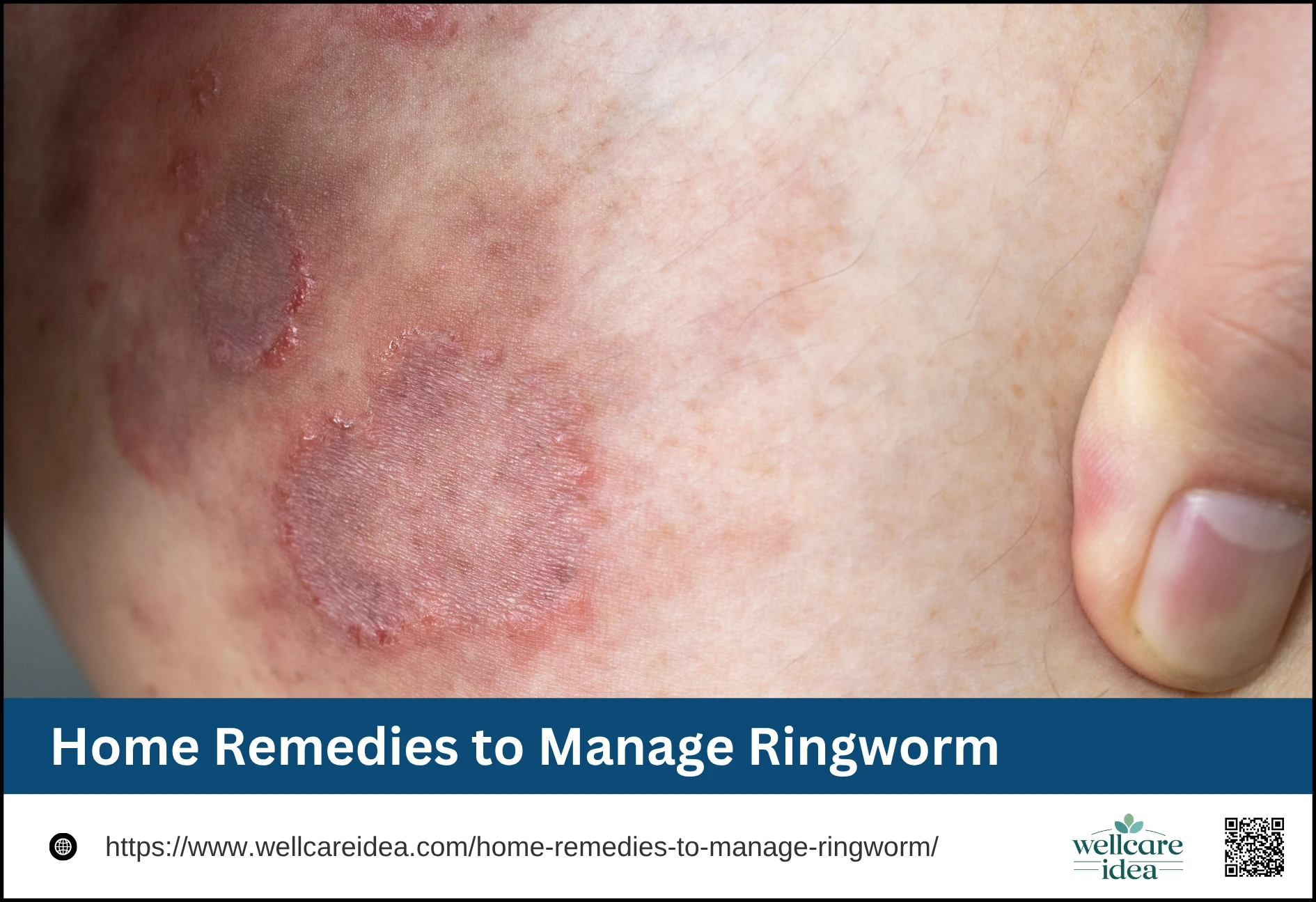
Despite what the name suggests, ringworm has nothing to do with worms. It is actually a common fungal infection of the skin caused by a group of fungi known as dermatophytes 1 The medical name for ringworm is tinea or dermatophytosis, and it gets its everyday name from the ring-shaped, red, itchy rash it typically creates on your skin 2 The most common fungi behind ringworm belong to the genera Trichophyton, Microsporum, and Epidermophyton 3
You can catch ringworm through direct skin-to-skin contact with an infected person or animal, by touching contaminated surfaces like locker room floors or shared towels, and in rare cases, from highly infected soil 2 It is estimated that up to 25% of people worldwide may experience ringworm at some point in their lives 1 The infection can affect anyone, but people with weakened immune systems are at a particularly higher risk 3
Ringworm is typically mild and treatable with antifungal medications, but over the past decade, there has been a growing concern about antimicrobial-resistant strains of dermatophytes, making some infections much harder to treat 4 This is one of the reasons why people are also looking at natural and home-based approaches to support their recovery.
Ringworm Facts at a Glance
| Symptoms | Itchy, red, ring-shaped rash with clearer skin in the center; scaly, cracked skin; hair loss (if on scalp); thickened, discolored nails (if on nails) 2 ; 5 |
| Causes | Dermatophyte fungi — mainly Trichophyton, Microsporum, and Epidermophyton species 1 |
| Types | Tinea corporis (body), tinea pedis (athlete’s foot), tinea cruris (jock itch), tinea capitis (scalp), onychomycosis (nails) 6 |
| How It Spreads | Person-to-person contact, animal-to-person contact, contaminated objects (towels, combs, bedding), and contaminated surfaces like gym floors 2 |
| Incubation Period | Symptoms typically appear 4–14 days after exposure 1 |
| Regions Where Found | Worldwide; more prevalent in tropical and subtropical climates with warm, humid conditions 1 |
| Higher Risk If You | Live in warm/humid climates, participate in contact sports, share clothing or personal items, have a weakened immune system, have close contact with infected animals, or have diabetes (for nail infections) 2 : 1 |
| Diagnosis | Visual examination by a doctor, skin scraping examined under a microscope (KOH test), fungal culture, and sometimes Wood’s lamp inspection 6 ; {https://www.webmd.com/skin-problems-and-treatments/what-you-should-know-about-ringworm |
| Treatment & Medications | Over-the-counter topical antifungals (clotrimazole, terbinafine, miconazole); prescription oral antifungals (griseofulvin, itraconazole, fluconazole) for severe or scalp infections {https://my.clevelandclinic.org/health/diseases/4560-ringworm ; https://www.mayoclinic.org/diseases-conditions/ringworm-body/diagnosis-treatment/drc-20353786} |
| Prevention | Keep skin clean and dry, avoid sharing personal items, wear shower shoes in public areas, wash hands after touching animals, treat infected pets promptly 2 |
| Important Warning | Never use steroid or corticosteroid creams on ringworm — they can make the infection worse {https://www.cdc.gov/ringworm/about/index.html ; https://my.clevelandclinic.org/health/diseases/4560-ringworm} |
Evidence-Based Home Remedies for Ringworm
While over-the-counter antifungal medications remain the gold standard for treating ringworm, several natural remedies have shown antifungal properties in scientific research. These can potentially serve as complementary approaches — especially for mild cases — but should not replace medical treatment for severe, widespread, or persistent infections.
1. Tea Tree Oil (Melaleuca alternifolia)
Tea tree oil is one of the most well-researched natural antifungal agents. It is extracted from the leaves of the Australian Melaleuca alternifolia tree and has been used for centuries for its antimicrobial properties.
Laboratory studies have demonstrated that tea tree oil can inhibit a wide range of dermatophyte species at relatively low concentrations, and its antifungal activity is largely attributed to its high terpinen-4-ol content 7 A randomized controlled trial involving 158 people with athlete’s foot found that tea tree oil solutions of 25% and 50% concentration improved symptoms in about 70% of participants after four weeks, compared to less than 40% in the placebo group 8 An in vivo study on horses with ringworm also showed that a 25% tea tree oil mixture achieved healing results comparable to conventional antifungal treatment { https://pubmed.ncbi.nlm.nih.gov/19403294/ ; https://www.sciencedirect.com/science/article/abs/pii/S0944711309000816}
How to use: Dilute tea tree oil in a carrier oil (like coconut or olive oil) — typically 12 drops of tea tree oil per ounce of carrier oil — and apply to the affected area two to three times daily 9 Always do a patch test first, as tea tree oil can cause skin irritation in some people.
2. Garlic (Allium sativum)
Garlic has been recognized for its antimicrobial properties for centuries, and modern research backs this up. The key active compound is allicin, a sulfur-based molecule released when garlic is crushed.
Laboratory studies have shown that allicin can effectively inhibit the growth of Trichophyton rubrum — the most common dermatophyte responsible for ringworm — by damaging the fungal cell structure 10 An early study testing garlic extract against 88 clinical dermatophyte isolates found that it inhibited 90% of all tested strains at certain dilutions 11 Allicin has also been shown to inhibit both spore germination and hyphal growth in fungi 12
How to use: Crush two to three fresh garlic cloves and mix them with olive oil or coconut oil to form a paste. Apply to the affected area for 10–15 minutes, then rinse off. Repeat daily. Stop use immediately if you experience burning, irritation, or an allergic reaction.
3. Turmeric (Curcuma longa)
Turmeric, the bright yellow spice commonly used in cooking, has a long history in traditional medicine — particularly in South and Southeast Asian cultures — for treating skin conditions including ringworm.
A study published in ISRN Dermatology found that ar-turmerone, a major compound in turmeric oil, showed antidermatophytic activity with minimum inhibitory concentrations lower than those of the standard antifungal drug ketoconazole 13 Another study in ScienceDirect reported that dermal application of turmeric oil on guinea pigs infected with Trichophyton rubrum led to visible improvement within 2–5 days and complete disappearance of lesions within 6–7 days 14 Curcumin, the principal polyphenol in turmeric, has also demonstrated antifungal and anti-inflammatory effects in broader research 15
How to use: Mix turmeric powder with a small amount of water or coconut oil to form a thick paste. Apply it to the affected area, let it dry, and then wipe it off. Repeat once or twice daily. Note that turmeric may temporarily stain lighter skin yellow.
4. Coconut Oil
Coconut oil is a widely available and gentle remedy that has shown antifungal potential in research, largely due to its high lauric acid content.
Studies have found that lauric acid in coconut oil can damage fungal cell membranes, inhibiting their growth. Research published in the Journal of Medicinal Food confirmed that coconut oil demonstrated antifungal activity against multiple Candida species in lab settings 16 A longitudinal scalp microbiome study in PMC also noted that coconut oil and lauric acid can inhibit the growth and invasion of dermatophytes on the skin more effectively than several other commonly used oils 17
How to use: Apply a thin layer of virgin coconut oil directly to the ringworm patch three times a day. Coconut oil also works well as a carrier oil for diluting stronger essential oils like tea tree or oregano oil.
5. Aloe Vera
Aloe vera gel is well known for its soothing, anti-inflammatory, and wound-healing properties, and it has also been studied for antifungal activity.
Research has confirmed that aloe vera possesses antifungal and antibacterial properties that may help in managing ringworm symptoms like itching, swelling, and skin irritation 18 An in vitro study published in PMC demonstrated that aloe vera extract was effective against several pathogenic fungal species 9
How to use: Scoop fresh gel from an aloe vera leaf or use a store-bought pure aloe vera gel. Apply it directly to the affected area three to four times a day. The cooling effect of the gel can also provide welcome relief from itching.
6. Oil of Oregano (Origanum vulgare)
Oregano essential oil contains two powerful antifungal compounds — carvacrol and thymol — that have been extensively studied for their antimicrobial effects.
A study published in PMC found that oregano oil achieved complete inhibition of all tested dermatophyte genera and species for the full 21-day duration of the laboratory assay, performing on par with certain prescription antifungal drugs 19 Carvacrol specifically has been shown to disrupt and depolarize fungal cell membranes, effectively halting fungal growth 20 Another comprehensive review on essential oils for skin fungal infections confirmed oregano oil as one of the most effective options studied 21
How to use: Mix two to three drops of oregano essential oil with a tablespoon of carrier oil (such as olive or coconut oil) and apply to the affected area two to three times daily. Oregano oil is very concentrated, so never apply it undiluted to your skin.
7. Apple Cider Vinegar
Apple cider vinegar is a popular folk remedy for ringworm due to its acidic nature, which may create an environment unfavorable for fungal growth. However, the scientific evidence supporting its use specifically for ringworm is limited.
Some laboratory research suggests that apple cider vinegar has certain antifungal properties, but there is not enough clinical evidence to recommend it as a standalone treatment for ringworm 22 Cleveland Clinic has also cautioned that apple cider vinegar may cause open sores or inflammation when applied to the skin 5
How to use: If you choose to try this remedy, dilute apple cider vinegar with equal parts water, soak a cotton ball in the solution, and apply it gently to the affected area. Stop immediately if you experience stinging, redness, or irritation.
8. Neem Oil (Azadirachta indica)
Neem has been used in Ayurvedic and traditional medicine for centuries for its antiseptic and antifungal properties. While clinical studies specifically targeting ringworm are limited, neem oil is widely regarded as a supportive remedy for various skin infections.
How to use: Apply a few drops of neem oil directly to the affected area once or twice daily. You can also mix neem oil with aloe vera gel for added soothing benefits.
9. Lemongrass Oil
Lemongrass essential oil contains citral as its main bioactive compound, which has demonstrated antifungal activity against dermatophytes. A review published in PMC confirmed that lemongrass oil shows effectiveness against skin fungal infections including ringworm and athlete’s foot 21
How to use: Mix a few drops of lemongrass oil with a carrier oil and apply to the affected area two times a day.
When to See a Doctor
Home remedies can be helpful for mild ringworm cases, but there are situations where you need professional medical attention. You should see a doctor if:
- Your rash does not improve after two weeks of treatment 6
- The infection is spreading to new areas of your body
- You develop signs of a secondary bacterial infection, such as pus, increased swelling, or fever 6
- The ringworm is on your scalp — scalp ringworm requires prescription oral antifungal medication and cannot be treated with topical remedies alone.
- You have a weakened immune system or diabetes 3
Precautions Before Using Natural Remedies
Before you start using any natural or home remedy for ringworm, keep the following precautions in mind:
Always do a patch test first. Essential oils like tea tree, oregano, and lemongrass are highly concentrated and can cause allergic reactions, burning, or skin irritation in some individuals. Apply a small, diluted amount to an unaffected area of your skin and wait 24 hours to check for any adverse reaction.
Never apply undiluted essential oils directly to your skin. Always mix essential oils with a carrier oil — such as coconut oil, olive oil, or jojoba oil — before applying them. Undiluted essential oils can cause chemical burns and worsen your skin condition.
Do not use home remedies as a substitute for medical treatment. If your ringworm is severe, widespread, on your scalp or nails, or does not respond to over-the-counter treatments, you need to see a healthcare provider 5 Delaying proper treatment can lead to the infection spreading to others and to other parts of your body.
Avoid using corticosteroid creams on ringworm. Many over-the-counter creams for rashes contain steroids, and applying them to ringworm can actually make the infection worse and harder to diagnose {https://www.cdc.gov/ringworm/about/index.html ; https://my.clevelandclinic.org/health/diseases/4560-ringworm}
Keep the affected area clean and dry. Before applying any remedy, wash the area gently with soap and water and dry it thoroughly. Fungi thrive in moist, warm environments, so keeping the skin dry is an essential part of treatment and prevention 2
Watch for signs of an allergic reaction. If you notice increased redness, swelling, hives, or difficulty breathing after applying any natural remedy, stop use immediately and seek medical help.
Be cautious during pregnancy and with children. Some essential oils and herbal remedies may not be safe for pregnant women, breastfeeding mothers, or young children. Always consult a healthcare provider before using these products on vulnerable populations.
Most research is still in early stages. Many studies on natural antifungal agents have been conducted in vitro (in lab settings) or in animal models. While the results are promising, large-scale human clinical trials are still limited for most of these remedies. Use them as supportive measures alongside proven treatments, not as replacements.
Conclusion
Ringworm is an extremely common and contagious fungal infection, but it is generally treatable and manageable. Over-the-counter antifungal creams are the most reliable first-line treatment for mild cases. At the same time, several natural remedies — including tea tree oil, garlic, turmeric, coconut oil, aloe vera, and oregano oil — have shown antifungal properties in scientific studies and may help support your recovery when used carefully.
The key is to be informed, consistent, and cautious. If your infection does not improve within two weeks of home treatment, or if it worsens at any point, consult a healthcare professional promptly. Combining good hygiene practices with appropriate treatment — whether conventional, natural, or both — gives you the best chance of clearing ringworm and preventing it from coming back.
Disclaimer: This article is for informational purposes only and does not constitute medical advice. Always consult a qualified healthcare provider before starting any new treatment for ringworm or any other health condition.