
What Is Hepatitis?
Hepatitis is a term that describes inflammation of your liver — the large organ in the upper right part of your abdomen that plays a central role in digesting food, filtering toxins from your blood, and storing energy 1 When your liver becomes inflamed, it can struggle to carry out these vital tasks, which can lead to a wide range of health problems.
This inflammation can be triggered by several different causes. Viral infections are the most common reason, but hepatitis can also develop from heavy alcohol use, exposure to certain chemicals or drugs, and even from your own immune system mistakenly attacking liver tissue — a condition called autoimmune hepatitis 2 Some medications, including common pain relievers like acetaminophen taken in excess, can also be toxic to your liver and cause drug-induced hepatitis 2 Depending on the type and cause, hepatitis can be either acute or chronic. Acute hepatitis flares up suddenly and usually resolves within six months. Chronic hepatitis, on the other hand, is a long-term condition that can slowly damage your liver over many years, sometimes leading to serious complications like cirrhosis (scarring of the liver), liver failure, or even liver cancer 2 According to the World Health Organization (WHO), types B and C are especially concerning because together they are the most common cause of liver cirrhosis and liver cancer worldwide 3
Understanding what type of hepatitis you have is the first step toward protecting your liver and getting the right treatment.
Hepatitis Facts at a Glance
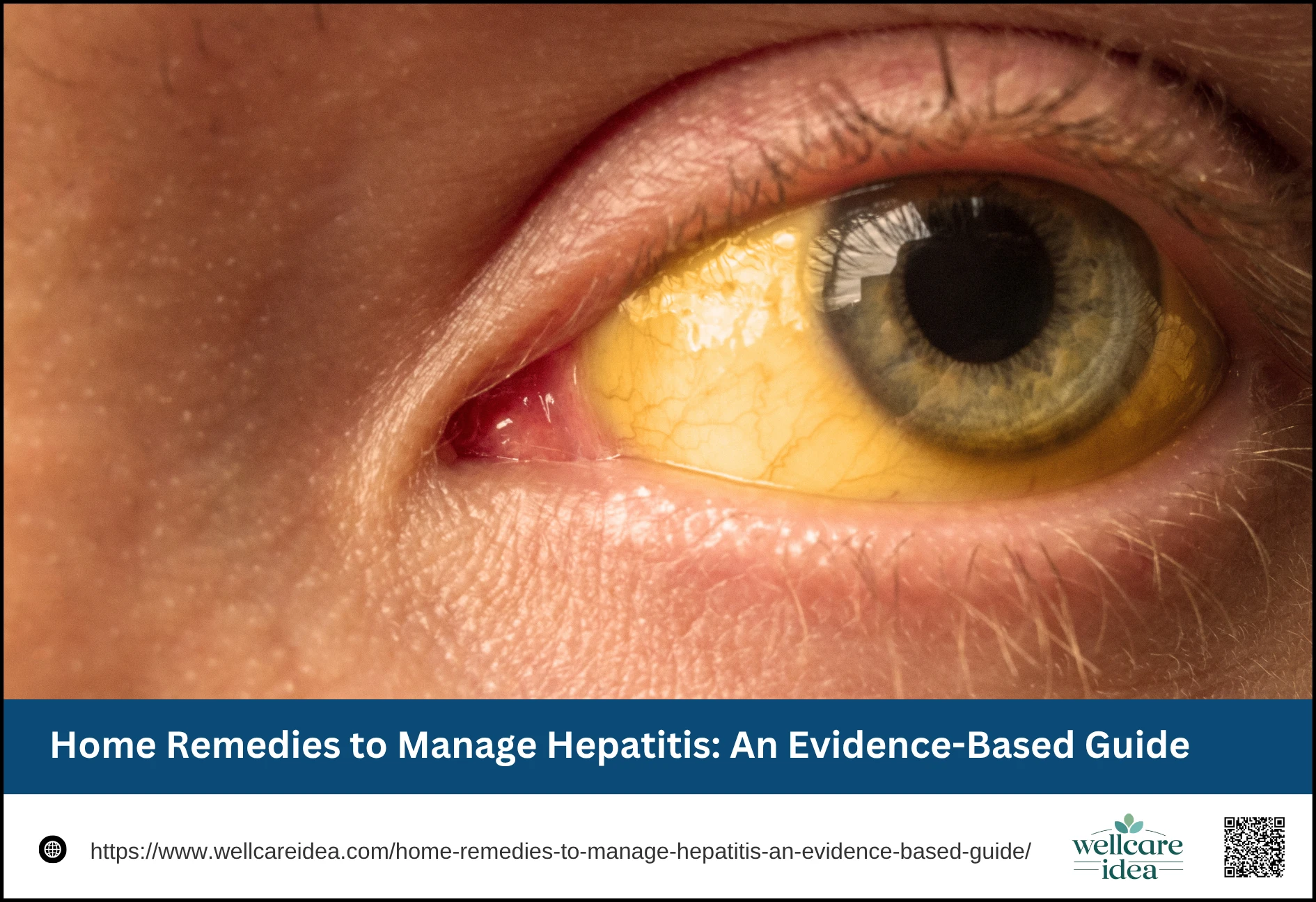
Symptoms Many people with hepatitis show no symptoms at all, especially in the early stages. When symptoms do appear, they can include fatigue, nausea, vomiting, loss of appetite, abdominal pain (particularly in the upper right side), dark urine, pale stools, joint pain, and jaundice — a yellowing of your skin and the whites of your eyes 4 Symptoms of chronic hepatitis may not show up for years or even decades, often only becoming noticeable once significant liver damage has already occurred 1
Causes Hepatitis can be caused by viral infections (the most common cause), excessive alcohol consumption, exposure to industrial chemicals or toxins, certain medications, and autoimmune disorders where your body’s immune system attacks your own liver cells 2
Types There are five main types of viral hepatitis — A, B, C, D, and E. Each is caused by a different virus. Hepatitis A and E are typically short-term and spread through contaminated food or water. Hepatitis B and C can become chronic, lifelong infections and are transmitted through infected blood or bodily fluids. Hepatitis D only occurs in people already infected with hepatitis B 3 Beyond viral types, hepatitis can also be classified as alcoholic hepatitis, drug-induced hepatitis, or autoimmune hepatitis 1How Does It Spread? Hepatitis A and E spread primarily through the fecal-oral route — usually by consuming contaminated food or water{https://www.cdc.gov/hepatitis-a/about/index.html Hepatitis B, C, and D spread through contact with infected blood or bodily fluids, such as through sharing needles, unscreened blood transfusions, sexual contact with an infected person, or from an infected mother to her baby during childbirth {https://www.cdc.gov/hepatitis-b/prevention/index.html; https://www.cdc.gov/hepatitis-c/prevention/index.html}
Regions Where It Is Found Hepatitis occurs worldwide. Hepatitis A and E are most common in regions with poor sanitation, particularly parts of Africa, Asia, Central America, and South America. Hepatitis B is highly prevalent in sub-Saharan Africa and East Asia. Hepatitis C is found on every continent, but rates are highest in certain countries in Africa and Central and East Asia 3
You Might Be at a Higher Risk if You:
- Inject drugs or share needles, syringes, or drug equipment 5
- Have received unscreened blood transfusions or organ transplants 5
- Are a healthcare worker exposed to blood or needlestick injuries 6
- Were born to a mother with hepatitis B or C
- Travel to or live in regions with high rates of hepatitis
- Have multiple sexual partners or have unprotected sex with an infected person
- Have HIV or another sexually transmitted infection 6
- Are on long-term dialysis
- Live with someone who has chronic hepatitis B
How Doctors Diagnose Hepatitis Doctors typically start by reviewing your medical history, symptoms, and risk factors. A physical exam may reveal tenderness in your abdomen, an enlarged liver, or signs of jaundice. Blood tests are the primary diagnostic tool: specific antibody and antigen tests can determine which type of hepatitis virus you have, whether the infection is acute or chronic, and how well your liver is functioning 7 Additional tools include liver function tests, ultrasound imaging, and in some cases a liver biopsy, where a small tissue sample is examined under a microscope 8
Treatment and Medications Treatment depends on the type of hepatitis. Hepatitis A usually requires no specific treatment — rest, adequate fluids, and a balanced diet are typically enough 9 Chronic hepatitis B is managed with antiviral medications that reduce the risk of liver damage and transmission, though these must often be taken lifelong 1 Hepatitis C can now be cured in most cases with direct-acting antiviral (DAA) medications, usually within 8 to 12 weeks 10 In severe cases of chronic hepatitis leading to liver failure, a liver transplant may be necessary 1
Methods of Prevention Vaccines are available for hepatitis A and hepatitis B, and getting vaccinated against hepatitis B also protects you from hepatitis D 6 There is currently no vaccine for hepatitis C or hepatitis E. Other preventive measures include practicing good hand hygiene, avoiding contaminated food and water, using sterilized equipment for tattoos and piercings, not sharing needles or personal items like razors and toothbrushes, using condoms during sexual contact, and ensuring blood products are properly screened (CDC).
Evidence-Based Home Remedies and Natural Approaches for Hepatitis
While there is no substitute for medical treatment — particularly antiviral therapy for chronic hepatitis B and C — certain natural remedies and lifestyle changes may help support your liver health when used alongside conventional care. Here are some of the most studied options.
1. Milk Thistle (Silymarin)
Milk thistle is perhaps the most well-known herbal remedy for liver health and has been used for centuries. Its active compound, silymarin, is a mixture of flavonolignans that have antioxidant, anti-inflammatory, and liver-cell-regenerating properties 11 An evidence report from the Agency for Healthcare Research and Quality (AHRQ) noted that milk thistle may be hepatoprotective through several mechanisms, including antioxidant activity, toxin blockade at the cell membrane level, and enhanced protein synthesis https://www.ncbi.nlm.nih.gov/books/NBK11896/}
However, clinical trial results have been mixed. A major randomized controlled trial published in JAMA found that higher-than-usual doses of silymarin did not significantly reduce liver enzyme levels in patients with chronic hepatitis C compared to placebo 12 The National Center for Complementary and Integrative Health (NCCIH) notes that clinical evidence for milk thistle’s benefits in liver diseases like hepatitis B and C remains conflicting or too limited for definitive conclusions https://www.nccih.nih.gov/health/milk-thistle} That said, milk thistle is generally well tolerated, with side effects typically limited to mild digestive issues 13
2. Turmeric (Curcumin)
Turmeric contains curcumin, a compound with well-documented antioxidant and anti-inflammatory properties. Research suggests curcumin may help reduce liver inflammation and fibrosis, and it appears to support the immune system’s response to hepatitis B 14 A large review of studies in people with fatty liver disease found that curcumin supplementation was associated with improvements in several markers of liver damage 15
One important caveat is that curcumin has low bioavailability on its own, meaning your body does not absorb it very efficiently. Taking it with black pepper (which contains piperine) can significantly improve absorption. Turmeric can also thin the blood and may interact with blood-thinning medications, so you should talk to your doctor before using curcumin supplements 16
3. Licorice Root (Glycyrrhizin)
Licorice root has a long history in traditional Chinese and Japanese medicine for treating chronic hepatitis. Its primary active ingredient, glycyrrhizin, possesses anti-inflammatory, antioxidant, and antiviral properties 17 Laboratory studies have shown that glycyrrhizin can inhibit hepatitis C viral replication in a dose-dependent manner 18 In Japan, glycyrrhizin has been used intravenously for over 20 years to treat chronic hepatitis B, with studies showing improvements in liver function19
However, licorice root should be used with great caution. Excessive or prolonged consumption of glycyrrhizin can lead to serious side effects, including high blood pressure, low potassium levels, fluid retention, and in rare cases, fatal heart arrhythmias 20 You should never take licorice root supplements without your doctor’s supervision, especially if you have heart disease, kidney problems, or are on blood pressure medications.
4. Green Tea (EGCG)
Green tea is rich in catechins, particularly epigallocatechin-3-gallate (EGCG), which has shown antioxidant, anti-inflammatory, and antiviral effects in laboratory settings. Research has demonstrated that EGCG can inhibit the entry and replication of hepatitis B and C viruses in liver cells and may reduce inflammation-related liver damage 21
There is an important safety concern to be aware of, though. While drinking brewed green tea in moderate amounts appears safe and has not been linked to liver injury, concentrated green tea extract supplements have been associated with cases of liver toxicity 22 The risk appears to increase with higher doses of EGCG (particularly above 800 mg per day) and when supplements are taken on an empty stomach. If you enjoy green tea, stick to drinking the brewed form rather than taking concentrated extract capsules, and always discuss supplement use with your healthcare provider.
5. Probiotics
Your gut health is closely connected to your liver health through what scientists call the “gut-liver axis.” Emerging research suggests that probiotics — beneficial bacteria found in yogurt, kefir, kimchi, and supplement form — may help support liver function by improving gut health, reducing harmful bacterial toxins that reach the liver, and lowering inflammation. A review of clinical trials found that probiotic supplementation was associated with improvements in liver enzymes and markers of liver inflammation in patients with various liver disorders 14 However, the NCCIH notes that evidence for probiotics specifically in hepatitis C remains limited 23
6. Zinc Supplementation
Zinc is an essential mineral that plays a key role in immune function and is important for liver health. People with chronic liver disease, including chronic hepatitis, often have lower-than-normal zinc levels. Some research indicates that zinc supplementation may help improve liver function in patients with chronic liver disease by reducing oxidative stress and supporting the immune response 23 Foods naturally rich in zinc include oysters, red meat, poultry, beans, nuts, and whole grains. If you are considering zinc supplements, speak with your doctor to determine the right dose for your situation, since excessive zinc intake can be harmful.
7. Dietary and Lifestyle Changes
Beyond specific herbs and supplements, broader lifestyle adjustments can make a meaningful difference in managing hepatitis and supporting your liver:
1. Eat a liver-friendly diet. Focus on fruits, vegetables, whole grains, lean proteins, and healthy fats like olive oil and avocado. Leafy greens, berries, and cruciferous vegetables like broccoli and Brussels sprouts are especially beneficial for the liver. Avoid processed foods, refined sugars, and foods high in saturated fat 1
2. Avoid alcohol completely. Alcohol is directly toxic to liver cells, and when your liver is already inflamed from hepatitis, drinking alcohol can dramatically accelerate liver damage 2
3. Stay well hydrated. Drinking plenty of water helps your liver flush out toxins and supports overall metabolic function.
4. Get adequate rest. Fatigue is one of the most common symptoms of hepatitis, and your body needs rest to heal. Listen to your body and don’t push yourself too hard 9
5. Exercise gently and regularly. Moderate physical activity like walking, swimming, or yoga can help maintain a healthy weight, reduce stress, and improve your overall sense of wellbeing.
6. Manage stress. Chronic stress can weaken your immune system, making it harder for your body to fight infections. Practices like meditation, deep breathing, and yoga may help.
When to Consider Complementary Remedies
Natural remedies may be most appropriate as a complementary approach — meaning you use them alongside, not instead of, the medical treatment your doctor recommends. For example, if you have chronic hepatitis B and are on antiviral therapy, adding a liver-supportive diet and discussing milk thistle with your doctor could be part of a broader wellness plan. If you have hepatitis C, the priority should be starting direct-acting antiviral treatment, which has cure rates exceeding 95% in most cases 10
Precautions Before Using Natural Remedies
Before adding any herbal supplement, vitamin, or natural remedy to your hepatitis management plan, keep the following precautions in mind:
Always consult your doctor first. This is the single most important step. Your liver is already under stress, and some herbs and supplements can actually cause liver damage or interfere with your prescribed medications. For example, milk thistle can interact with certain hepatitis C drugs like simeprevir, potentially increasing drug levels in your blood to unsafe amounts 13 Green tea extract supplements have been linked to liver toxicity in some people, which is the opposite of what you want when dealing with hepatitis 22
Do not replace medical treatment with natural remedies. Hepatitis B and C are serious viral infections that can lead to cirrhosis, liver cancer, and liver failure if not properly treated. Herbal remedies have not been proven to cure any form of hepatitis. Direct-acting antivirals can cure hepatitis C in most patients, and antiviral medications can effectively manage hepatitis B — these are treatments you should not skip or delay 4
Be cautious with dosages. “Natural” does not always mean “safe.” Licorice root consumed in large amounts can cause dangerously high blood pressure and potassium depletion 20 Green tea extract at high doses (above 800 mg EGCG per day) has been associated with liver damage 22 Even commonly used supplements like vitamin A can be toxic to the liver at high doses 2
Watch for drug interactions. Many herbal products are processed by the liver, and they can change the way your liver handles prescription drugs. Turmeric can enhance the effects of blood thinners. Milk thistle can affect how the liver metabolizes certain medications, including some immunosuppressants and cancer drugs 16 Always provide your doctor and pharmacist with a full list of everything you take, including herbal teas and supplements.
Choose quality products. The supplement industry is not as tightly regulated as prescription medications. Products can vary widely in their actual content, purity, and potency. Look for supplements that have been tested by independent organizations such as USP (United States Pharmacopeia), NSF International, or ConsumerLab.
Be wary of miracle cure claims. If a product claims to “cure” hepatitis, “detox” your liver overnight, or “reverse” liver damage entirely, be skeptical. These claims are typically not backed by solid scientific evidence and could delay you from getting effective medical treatment.
Monitor your liver regularly. If you do use any natural remedies alongside your treatment, make sure you are getting regular liver function tests so your doctor can catch any problems early.
Final Thoughts
Living with hepatitis can feel overwhelming, but you have more control over your liver health than you might think. A combination of proper medical care, smart dietary choices, responsible use of evidence-based natural supports, and healthy lifestyle habits can go a long way in helping you manage your condition. The most important thing is to work closely with your healthcare team, stay informed, and approach natural remedies with both an open mind and a healthy dose of caution.
References and Sources:
- Cleveland Clinic – Hepatitis Overview
- Johns Hopkins Medicine – Hepatitis
- WHO – Hepatitis Q&A
- CDC – Clinical Overview of Viral Hepatitis
- CDC – Hepatitis A Basics
- CDC – Hepatitis B Prevention
- CDC – Hepatitis C Prevention:
- CDC – Hepatitis C Clinical Overview
- NCBI StatPearls – Viral Hepatitis
- NCBI StatPearls – Milk Thistle
- NCBI – AHRQ Milk Thistle Evidence Report
- NCCIH – Milk Thistle:
- NCCIH – Hepatitis C and Dietary Supplements
- NCCIH – Study of Milk Thistle’s Effects
- Mayo Clinic – Milk Thistle:
- PubMed – Fried et al. (2012), Silymarin in Hepatitis C
- PubMed – Glycyrrhizin as Antiviral Agent Against HCV
- PubMed – Therapeutic Basis of Glycyrrhizin on Chronic Hepatitis B
- PMC – Glycyrrhizic Acid in Treatment of Liver Diseases:
- PMC – Antiviral and Antimicrobial Activities of Licorice:
- PMC – Glycyrrhizin Inhibits SARS-CoV-2 Replication
- PMC – EGCG Protective Effect on the Liver:
- PMC – Natural Products as Hepatoprotective Agents
- NCBI LiverTox – Green Tea
- Medscape – Viral Hepatitis Overview