
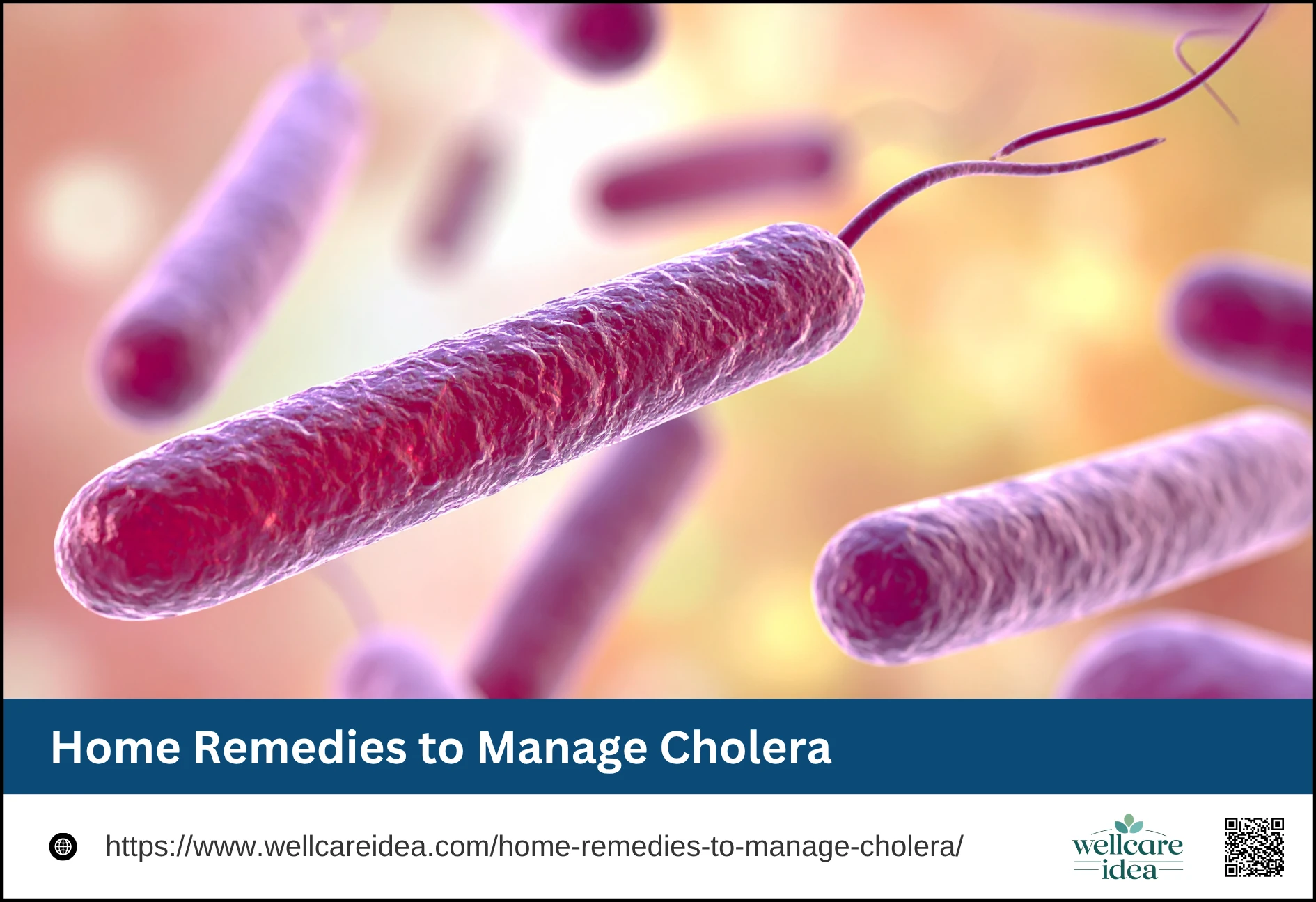
What Is Cholera?
Cholera is an acute intestinal infection caused by the bacterium Vibrio cholerae, which you typically get from drinking contaminated water or eating contaminated food 1 When the bacteria enter your small intestine, they release a toxin that causes your body to produce massive amounts of watery diarrhea, which can quickly lead to severe dehydration and even death if you do not receive treatment right away 2
According to the World Health Organization, there are an estimated 1.4 to 4 million cases and 21,000 to 143,000 cholera-related deaths worldwide each year 1The disease is most commonly found in areas with poor sanitation, lack of clean drinking water, and overcrowding, often in regions affected by war, poverty, or natural disasters 3 Most people with cholera experience mild to moderate symptoms, but without proper fluid replacement, severe cases can become fatal within hours 4
Cholera Facts at a Glance
The table below summarizes the essential facts about cholera based on information from leading health authorities.
| Category | Details |
| Symptoms | Severe watery diarrhea (often described as “rice water” stools), vomiting, rapid dehydration, muscle cramps, sunken eyes, dry mouth, extreme thirst, low blood pressure, and rapid heart rate. 4 |
| Causes | Caused by the bacterium Vibrio cholerae, which enters your body through contaminated food or water. The bacteria produce a toxin that triggers massive fluid secretion in the intestines 5 |
| Types | Two main serogroups cause outbreaks: V. cholerae O1 (responsible for most current outbreaks worldwide) and V. cholerae O139 (previously found in Asia, now rarely reported) 1 |
| How It Spreads | Primarily through the fecal-oral route, by drinking water or eating food contaminated with infected feces. It can also spread through raw or undercooked shellfish. Person-to-person transmission through casual contact is uncommon 5 |
| Regions Where It Is Found | Commonly found in parts of Africa, South Asia, Southeast Asia, Latin America, and the Middle East, especially in areas with poor sanitation. Also occurs in conflict zones, refugee camps, and disaster-affected areas 6 , (7 |
| Risk Factors | You might be at higher risk if you: live in or travel to areas with unsafe water and poor sanitation; have reduced stomach acid; are malnourished or have a weakened immune system; eat raw or undercooked shellfish; or live in crowded conditions such as refugee camps 4,3 |
| Diagnosis | Doctors diagnose cholera by testing a stool sample for V. cholerae bacteria. Rapid diagnostic tests can detect O1 and O139 antigens. Blood tests may also be done to check electrolyte levels and kidney function 3, 8 |
| Treatment and Medications | The primary treatment is rehydration using oral rehydration salts (ORS) or intravenous fluids. Antibiotics such as doxycycline, azithromycin, or erythromycin may be prescribed for severe cases. Zinc supplementation is recommended for children aged 6 months to 5 years. Anti-diarrheal medications are NOT recommended 9,10 |
| Prevention | Drink only safe, treated, or boiled water; practice proper hand hygiene; cook food thoroughly; avoid raw shellfish; get the oral cholera vaccine if traveling to affected areas; and support community WASH programs 1,2 |
Evidence-Based Home Remedies for Cholera
Important: Cholera is a serious, potentially life-threatening disease. The home remedies described below are meant to support your recovery alongside proper medical treatment, not replace it. The most critical step you can take is to begin rehydration immediately and seek medical care as soon as possible 9
1. Homemade Oral Rehydration Solution (ORS)
Oral rehydration therapy is the single most important home remedy you can use for cholera. The WHO considers ORS the cornerstone of cholera treatment, credited with saving millions of lives worldwide 11 If you cannot get a pre-made ORS packet, you can make one at home by mixing 6 teaspoons of sugar and half a teaspoon of salt in 1 liter of clean, boiled water 12 Drink this solution frequently in small sips. According to the Mayo Clinic, adults can consume up to 1 liter of ORS per hour during the early stages of rehydration 10
2. Rice Water and Rice-Based ORS
Research published in the British Medical Journal found that rice-based ORS reduced stool output by 36% in adults with cholera compared to standard glucose-based ORS 13 A study from Johns Hopkins Bloomberg School of Public Health confirmed that pre-packaged rice-based ORS outperformed standard ORS, especially during the first eight hours when fluid losses are greatest 14To prepare rice water at home, boil one cup of rice in two cups of water, strain the liquid, add a small pinch of salt, and sip it throughout the day. The WHO also recommends rice-based solutions as the preferred option for cholera patients 1
3. Zinc Supplementation
Zinc plays a crucial role in your recovery from cholera. A study published in PMC (National Institutes of Health) found that the combination of zinc with ORS has a positive impact on cholera outcomes, helping reduce both the severity and duration of diarrhea 15 The CDC recommends that children aged 6 months to 5 years with suspected cholera receive zinc supplementation immediately 9 The Mayo Clinic also notes that zinc can shorten how long diarrhea lasts in children with cholera 10 You can include zinc-rich foods in your diet, such as brown rice, lentils, sesame seeds, and pumpkin seeds, as you recover.
4. Ginger
Ginger has long been used as a natural remedy for gastrointestinal problems. It contains beneficial phytochemicals that can help reduce muscle spasms in the digestive tract, ease nausea, and relieve stomach cramps associated with diarrheal illness 16 To use ginger, grate a small piece of fresh ginger root and steep it in a cup of boiling water for several minutes. Strain, add a small amount of honey, and sip the tea slowly. You can drink ginger tea two to three times a day. However, keep in mind that ginger is a supportive remedy and should not replace medical treatment for cholera.
5. Lemon Water
Lemon juice is a simple home remedy that can support your recovery from cholera. Lemon is rich in vitamin C, which can help support your immune system during illness. To prepare it, squeeze the juice of half a lemon into a glass of clean, boiled water, and add a small pinch of salt and a teaspoon of sugar. Drink this at regular intervals throughout the day. The acidic nature of lemon may also help create an unfavorable environment for bacteria in your digestive tract. However, remember that lemon water alone cannot treat cholera and must be used alongside ORS and medical care 17
6. Probiotics and Fermented Foods
Probiotics are emerging as a promising supportive therapy for cholera. Research published in PMC (NIH) demonstrates that probiotic bacteria like Lactococcus lactis can reduce the intestinal burden of Vibrio cholerae in animal models through the production of lactic acid. A comprehensive review in PMC found that probiotics can restore the gut microbiome, enhance gut barrier function, and induce competitive exclusion of pathogens like V. cholerae 18 Another study highlighted that Lactobacillus and Bifidobacterium species can remove cholera toxin from the environment and inhibit V. cholerae biofilm formation 19 Current research continues to explore whether probiotic supplementation can clinically manage cholera patients and reduce antibiotic use 8 You can consume plain probiotic yogurt, buttermilk, or other fermented foods to help restore healthy gut bacteria during recovery.
7. Coconut Water
Coconut water is a natural source of electrolytes, including potassium, sodium, and magnesium, which are rapidly lost during cholera-related diarrhea. It can serve as a supplementary hydration fluid alongside ORS. However, it is important to note that coconut water does not have a perfectly balanced electrolyte composition and should not be used as a sole replacement for ORS, especially in severe cases of dehydration 12 If fresh coconut water is available, you can drink it between doses of ORS to help maintain your electrolyte balance.
8. Turmeric
Turmeric contains curcumin, a compound with well-documented anti-inflammatory and antibacterial properties. In traditional Ayurvedic medicine, turmeric has been used for centuries to manage diarrheal symptoms. You can mix a quarter teaspoon of turmeric powder with a small amount of honey in a cup of warm water and drink it twice a day. However, you should not take high doses of turmeric as it could potentially worsen diarrhea. As with all home remedies, turmeric should be used as a complement to, not a replacement for, standard medical treatment 20
9. Mint and Basil Tea
Mint and basil have traditionally been used to soothe the digestive system. Mint contains menthol, which can help relax the muscles of your digestive tract and reduce nausea and vomiting. Basil (tulsi) has antimicrobial properties that may support your body in fighting infections. To prepare, steep a handful of fresh mint and basil leaves in boiling water for five to ten minutes, strain, and drink the warm tea. This remedy can help calm your stomach and ease discomfort while you undergo medical treatment for cholera 21
10. The BRAT Diet
Once your vomiting subsides and your appetite starts to return, the BRAT diet (Bananas, Rice, Applesauce, and Toast) can help ease your digestive system back to normal. These foods are bland, low in fiber, and easy to digest, which helps firm up stools and reduce further irritation of your intestines. Bananas are especially helpful because they are rich in potassium, which you lose in large amounts during diarrhea 4 The WHO recommends resuming normal feeding as soon as vomiting stops and continuing breastfeeding for infants and young children 21
Precautions Before Using Natural Remedies
While the home remedies listed above can provide supportive care, it is essential that you follow certain precautions to ensure your safety.
Always seek medical attention first. Cholera can kill within hours if left untreated. The WHO states that without treatment, the case fatality rate can exceed 50% 1 Never rely solely on home remedies to treat cholera. Begin ORS immediately and get to a healthcare facility as soon as possible.
Do not use anti-diarrheal medications. Over-the-counter drugs that stop diarrhea are not recommended for cholera and could make your symptoms worse 3 Your body uses diarrhea to flush out the bacteria, and stopping it artificially can be harmful.
Use only clean, boiled, or treated water. Every remedy you prepare must use safe water. Using contaminated water defeats the purpose and could worsen your infection 5
Be cautious with dosages. Do not consume excessive amounts of any natural remedy. For example, high doses of turmeric can worsen diarrhea, and too much ginger may irritate your stomach lining. Follow moderate quantities and stop if you notice any adverse effects.
Children, pregnant women, and elderly individuals need special care. These groups are more vulnerable to the complications of cholera and should receive professional medical supervision. Do not give honey to children under one year of age. Zinc supplementation dosages for children should follow WHO guidelines of 10 to 20 mg per day for 10 days 9,15
Natural remedies are not a substitute for antibiotics when prescribed. If your doctor prescribes antibiotics like doxycycline or azithromycin for severe cholera, take them as directed. Antibiotics can significantly reduce the duration and severity of the illness 21
Check for allergies and drug interactions. Some herbs and natural supplements can interact with medications you may already be taking. Inform your healthcare provider about any natural remedies you are using.
Monitor for signs of severe dehydration. If you or someone you are caring for develops sunken eyes, extreme thirst, very little or no urination, rapid heartbeat, or confusion, seek emergency medical help immediately. These are signs that home remedies alone are not sufficient and intravenous fluid replacement may be needed 4
References
The information in this article has been compiled from the following authoritative medical sources. Click any link to view the original source:
- World Health Organization (WHO). Cholera Fact Sheet.
- Questions and Answers on Cholera Outbreaks.
- PAHO/WHO. Understanding Cholera.
- Centers for Disease Control and Prevention (CDC). About Cholera.
- Causes and How Cholera Spreads.
- Treating Cholera.
- Mayo Clinic. Cholera – Symptoms and Causes.
- Mayo Clinic. Cholera – Diagnosis and Treatment.
- Cleveland Clinic. Cholera: Causes, Symptoms, Treatment & Prevention.
- NCBI Bookshelf. Vibrio cholerae Infection (StatPearls).
- Cholera: Symptoms, Causes, Vaccine, Treatment.
- Cholera: Causes, Symptoms, Treatment, and Prevention.
- Cholera Treatment & Management.
- Treatment of Cholera-Like Diarrhoea with Oral Rehydration.
- Impact of Rice-Based ORS on Stool Output – Meta-Analysis.
- Johns Hopkins Bloomberg School of Public Health. Rice-Based ORS Study.
- Zinc: Role in the Management of Diarrhea and Cholera.
- Probiotic Strains Detect and Suppress Cholera in Mice.
- Water Pollution, Cholera, and the Role of Probiotics.
- Diagnosis, Management, and Future Control of Cholera.
- Combating Cholera.
- Rice-Powder Electrolyte Solution as Oral Therapy.