
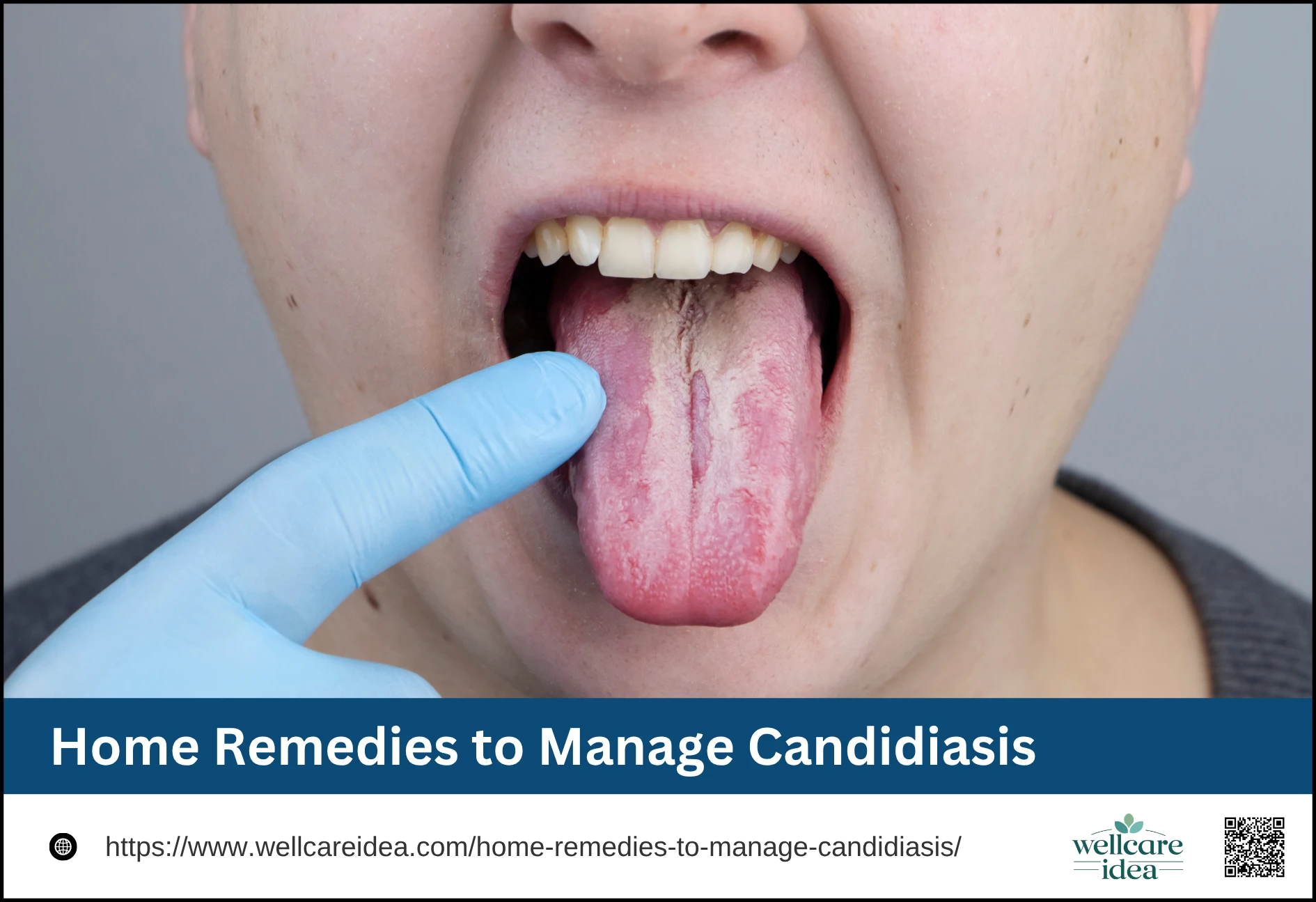
Section 1: What is Candidiasis?
Candidiasis is a fungal infection caused by a specific type of yeast known as Candida. 1 In a healthy body, this yeast naturally resides on your skin and in moist areas like your mouth, throat, gut, and vagina 2 Generally, Candida exists in harmony with the good bacteria in your body and does not cause any harm or noticeable symptoms. 3 However, when the delicate balance of your body’s microbiome is disrupted, this harmless yeast can multiply rapidly and grow completely out of control 1 This unchecked overgrowth is what leads to an active fungal infection, which we recognize as candidiasis 4
The nature of the infection you experience will largely depend on the specific area of your body where the overgrowth occurs 1 If the Candida proliferates in your vaginal area, you will develop a condition commonly known as a vaginal yeast infection or vulvovaginal candidiasis 2 If the overgrowth takes place inside your mouth, along your inner cheeks, or down your throat, it is medically referred to as oropharyngeal candidiasis, or more commonly, oral thrush. 4 In rare, severe cases—usually in individuals who are hospitalized or have severely compromised immune systems—the fungus can enter the bloodstream and spread to internal organs, a dangerous condition known as invasive candidiasis. 1
It is important to understand that while candidiasis can be incredibly uncomfortable, it is highly common and, in most superficial cases, highly treatable 3 The primary species responsible for the vast majority of these infections is Candida albicans, though other strains like Candida glabrata or Candida krusei can occasionally be the culprits and may require more specific treatments. 1 By recognizing the triggers that throw your body’s ecosystem out of balance, you can take proactive steps to manage and even prevent these disruptive yeast infections 2
Section 2: Candidiasis Facts
Understanding the broad scope of this condition is critical to effectively managing it. Below is a comprehensive table detailing the fundamental facts, symptoms, and risk factors associated with candidiasis.
| Fact Category | Detailed Information |
| Symptoms | Symptoms are heavily dependent on the infected region 4 For vaginal candidiasis, you might experience intense itching, soreness, burning during intercourse or urination, redness, and a thick, white, cottage cheese-like discharge. 2 For oral thrush, you may notice white lesions on your tongue and cheeks, pain while swallowing, a cotton-like feeling in the mouth, and loss of taste 4 |
| Causes | The root cause is the overgrowth of Candida, most often Candida albicans. 3 This overgrowth is usually triggered by a disruption in your natural bacterial flora. 2 Factors such as a weakened immune system, hormonal imbalances, or the destruction of beneficial bacteria all pave the way for yeast to thrive 5 |
| Types | The three primary types are vaginal candidiasis (yeast infection), oropharyngeal candidiasis (oral thrush), and invasive candidiasis (candidemia), which affects the bloodstream and internal organs 1 |
| How does it spread? | Candida is naturally present in your body and generally does not spread from person to person like a cold 5 However, in rare instances, it can be passed back and forth between sexual partners through oral-genital contact. 2 Furthermore, healthcare professionals can spread hospital-acquired strains like Candida auris via contaminated surfaces 1 |
| Regions where it is found | Candidiasis is a global health issue that affects people in every geographical region. However, invasive Candida strains (like C. auris) are closely monitored in clinical and hospital settings worldwide due to their high transmission rates 1 |
| You might be at a higher risk if you: | – Have recently taken a course of broad-spectrum antibiotics, which kills off good bacteria 2
– Have unmanaged or poorly controlled diabetes, as yeast feeds on elevated blood sugars 5 – Are pregnant or using high-estrogen birth control pills 2 – Suffer from a weakened immune system due to HIV/AIDS, cancer, or corticosteroid therapy 5 – Wear tight, damp clothing or engage in excessive vaginal douching 3 |
| How doctors diagnose | To achieve a definitive diagnosis, a healthcare provider will typically perform a physical examination of the affected area 4 For vaginal infections, they may take a swab of the discharge and examine it under a microscope to confirm the presence of yeast hyphae 3 For oral thrush, a simple visual inspection or a scrape of the lesions is usually sufficient 4 |
| Treatment and Medications | Standard medical treatment involves the use of antifungal medications 1 These can be topical creams, ointments, vaginal suppositories (like miconazole or clotrimazole), or oral pills like fluconazole 2 Severe invasive candidiasis requires intravenous antifungals administered in a hospital setting 1 |
| Methods of Prevention | Maintaining good hygiene is your first line of defense 3 You should wear breathable, cotton underwear and avoid tight, restrictive clothing. 2 Avoid scented feminine hygiene products, bubble baths, and douching, as these strip away natural vaginal flora 3 Finally, keep your blood sugar levels stable and only use antibiotics when strictly necessary 2 |
Section 3: Evidence-based Home Remedies for Candidiasis
While standard antifungal medications are highly effective and recommended for stubborn or severe infections, many individuals turn to complementary, evidence-based home remedies to manage mild symptoms, prevent recurrence, and soothe irritated tissues. If you are dealing with frequent yeast imbalances, you might find relief by incorporating the following natural remedies and herbs into your wellness routine.
1. Garlic Extract and Black Garlic
Garlic (Allium sativum) has been used in traditional medicine for centuries and is widely celebrated for its potent antimicrobial and antifungal properties 6 The primary active compound in raw garlic is allicin, which works by aggressively penetrating the cellular membrane of Candida albicans and disrupting the fungus’s lipid synthesis, ultimately causing the yeast cells to die 7 You can incorporate fresh garlic into your daily meals to help suppress systemic yeast growth 6
If you find raw garlic too pungent or difficult to digest, black garlic is an outstanding alternative. Black garlic is simply raw garlic that has been aged and fermented under controlled heat and humidity. This process not only removes the harsh, spicy bite—leaving a sweet, balsamic flavor—but it also enhances the concentration of potent antioxidants while retaining its powerful antifungal properties. Consuming a few cloves of black garlic daily can help fortify your immune system and keep yeast levels in check without irritating your stomach 6
2. Aloe Vera Extract
Aloe vera is deeply hydrating, soothing, and boasts remarkable antifungal benefits that make it an excellent home remedy for candidiasis. Research indicates that the crude glycolic extract from fresh aloe vera leaves can heavily inhibit both the physical growth and the germ tube formation of Candida albicans, which are the very mechanisms the yeast uses to become virulent and attach to your body’s tissues 8
Furthermore, recent studies have identified a specific compound within the plant known as aloe emodin. Aloe emodin acts as a powerful antifungal agent by localizing directly inside the fungal mitochondria and disrupting its iron homeostasis. By doing so, it destroys the energy production of the yeast, effectively stopping hyphal growth and preventing the yeast from infecting epithelial cells. For oral thrush, swishing with pure, food-grade aloe vera juice can coat and soothe the oral cavity while suppressing the fungus 9 For external vaginal itching, applying pure, unscented aloe vera gel to the vulva can calm inflammation and reduce swelling {https://pubmed.ncbi.nlm.nih.gov/21914003/]
3. Probiotics and Yogurt
Because a yeast infection is fundamentally an issue of bacterial imbalance, restoring your body’s supply of healthy bacteria is a foundational step in holistic management 2 Lactobacillus is the primary strain of healthy bacteria that lives in your vagina and gut, actively producing lactic acid to keep the environment slightly acidic, which prevents yeast from thriving 3
Taking a high-quality oral probiotic supplement that contains Lactobacillus acidophilus can help repopulate your body’s defensive flora 2 Additionally, eating plain, unsweetened Greek yogurt with active, live cultures is highly beneficial. You must ensure the yogurt contains absolutely no added sugars, as sugar directly feeds the yeast and can worsen the infection 5
4. Coconut Oil
Coconut oil is a widely accessible and soothing remedy that contains high levels of lauric acid and caprylic acid. Both of these medium-chain fatty acids have been shown in laboratory studies to possess notable antifungal properties that can break down the cell walls of Candida yeast. You can use raw, organic, cold-pressed virgin coconut oil as a natural, chemical-free moisturizer for the vulvar region. Applying a thin layer to the irritated skin outside the vagina can help alleviate the painful burning and itching sensations associated with a severe yeast infection. Furthermore, incorporating a tablespoon of coconut oil into your diet may help manage internal yeast overgrowth.
5. Apple Cider Vinegar (ACV) Baths
Apple cider vinegar has mild acidic and antifungal properties. It is crucial to note that you should never apply undiluted apple cider vinegar directly to your sensitive genital tissues, as it will cause severe chemical burns. However, drawing a lukewarm bath and adding a half cup of raw, unfiltered apple cider vinegar can help restore the natural, slightly acidic pH balance of your skin and vulva 3 Soaking in this bath for 15 to 20 minutes can provide significant relief from itching and inhibit the external spread of the fungus. Always ensure you dry off completely after the bath, as yeast thrives in damp environments 2
6. Tea Tree Oil (Melaleuca)
Tea tree oil is an incredibly potent essential oil derived from the leaves of the Melaleuca alternifolia plant. It has well-documented antibacterial, antiviral, and antifungal capabilities. Studies suggest that tea tree oil is particularly effective at breaking down the thick biofilms that Candida creates to protect itself from your immune system. Because it is highly concentrated, tea tree oil must always be diluted in a carrier oil (such as coconut oil or jojoba oil) before applying it to the skin. A common ratio is three to five drops of tea tree oil per one ounce of carrier oil. Never ingest tea tree oil orally, as it is toxic if swallowed, and perform a small patch test on your arm before applying it near your genitals to ensure you do not have an allergic reaction.
Section 4: Precautions before use of natural remedies
While home remedies can be incredibly effective, natural does not always mean entirely risk-free. You must approach the treatment of candidiasis with care and awareness, particularly if you are experimenting with herbal applications.
Watch for Allergic Reactions: Your genital tissues and the mucosal lining of your mouth are incredibly sensitive and highly permeable. Applying potent substances like tea tree oil or raw garlic pastes directly to the vagina can cause severe contact dermatitis, chemical burns, and heightened inflammation 2 Always dilute essential oils appropriately and patch-test topical remedies on a less sensitive area of skin first.
Do Not Douch With Remedies: You should never use home remedies as a vaginal douche. Douching physically flushes out the healthy lactobacilli bacteria that you desperately need to fight off the yeast infection, often pushing the Candida higher up into your reproductive tract and worsening your condition 3
Monitor Your Condition: Home remedies are best suited for mild, uncomplicated yeast infections. If this is the first time you are experiencing symptoms of candidiasis, you must see a healthcare professional for an accurate diagnosis, as bacterial vaginosis and certain sexually transmitted infections share identical symptoms with yeast infections 3
When to Seek Immediate Medical Attention:
You should abandon home remedies and contact your doctor immediately if:
1. Your symptoms do not improve within a few days of starting natural treatments 2
2. You develop extensive redness, painful tears, or deep fissures in the vulvar tissue 2
3. You experience severe pelvic pain, chills, or a high fever, which could indicate a more serious underlying infection or invasive candidiasis. [https://www.mayoclinic.org/diseases-conditions/vaginitis/symptoms-causes/syc-20354707]
4. You suffer from recurrent yeast infections (four or more within a single year), which may indicate undiagnosed diabetes or a compromised immune system 5
By integrating these evidence-based home treatments safely, maintaining optimal hygiene, and knowing when to consult a medical professional, you can effectively manage candidiasis and restore balance to your body.
Doctor explains YEAST INFECTION (CANDIDA/THRUSH) in men and women 10
This video provides a clear, medically accurate breakdown of the symptoms, causes, and treatment options for genital yeast infections in both men and women.