
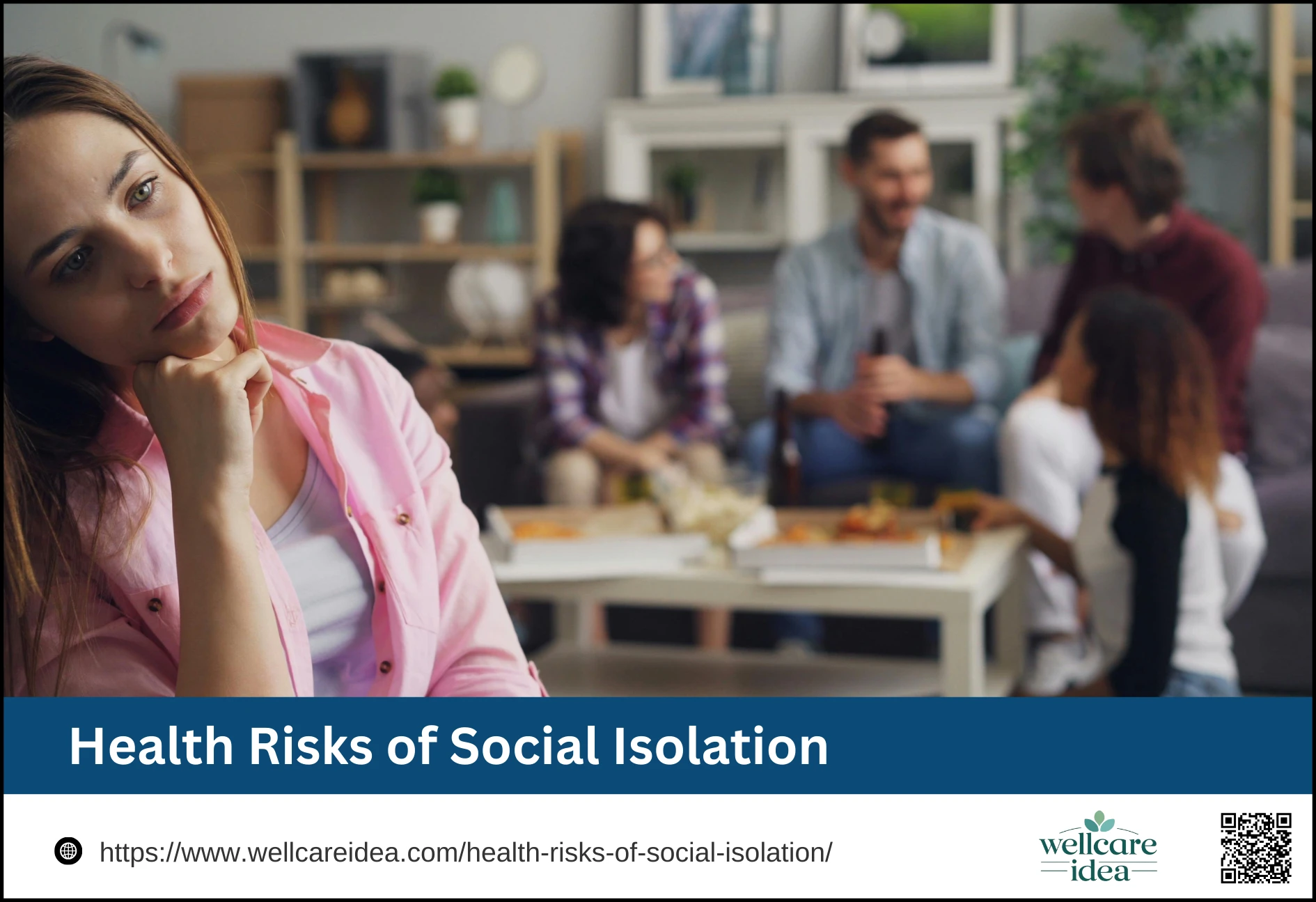
Human beings are inherently social creatures, biologically wired for connection and community interaction. When these connections are severed or significantly reduced, the impact extends far beyond emotional distress, manifesting in profound physiological changes. Research indicates that lacking social connections is as damaging to health as smoking 15 cigarettes a day 1 While often used interchangeably, social isolation is the objective lack of contact with others, whereas loneliness is the subjective feeling of being disconnected. Both states trigger biological warning systems that, over time, can erode physical and mental well-being.
1. Cardiovascular Health Risks
The heart and blood vessels are among the first systems to suffer from chronic lack of social contact. Studies have consistently shown that individuals with weak social networks face a significantly higher risk of developing coronary heart disease and stroke. A comprehensive meta-analysis revealed that social isolation increases the risk of heart disease by 29% and the risk of stroke by 32% 2 Furthermore, lonely individuals often exhibit elevated blood pressure and increased vascular resistance, which forces the heart to work harder to pump blood 3 Over time, this heightened strain contributes to the buildup of arterial plaque, a precursor to heart attacks.
2. Mental Health Disorders
Psychological well-being is deeply intertwined with social interaction, and isolation acts as a potent catalyst for mental health disorders. Prolonged separation from a community is strongly linked to the development of depression and anxiety, with isolated individuals reporting higher levels of perceived stress and lower life satisfaction 4 The absence of emotional support systems means that daily stressors are not buffered by venting or shared experiences, leading to a compounding effect on mental stability. Data suggests that social connection is a primary protective factor against psychiatric distress 1
3. Cognitive Decline and Dementia
The brain requires social stimulation to maintain neural pathways and cognitive sharpness. Older adults who experience social isolation are at a markedly increased risk of cognitive decline and Alzheimer’s disease. Evidence suggests that social isolation is associated with a 50% increased risk of dementia 1 Engaging in conversation and social activities exercises memory and processing skills; without this regular “workout,” the brain may deteriorate faster. Recent findings indicate that social isolation is a key independent risk factor for cognitive decline, separate from the effects of loneliness 5
4. Weakened Immune System
Social environment plays a surprising role in how the body fights off infections. Research indicates that socially isolated individuals have a less effective immune response when exposed to viruses. Studies on social stress show that isolation can suppress the expression of genes that fight viruses while simultaneously increasing those that cause inflammation 6 This leaves isolated people more susceptible to infectious diseases and less able to recover quickly from illness. Furthermore, the psychological stress of isolation can disrupt the regulation of the immune system, leading to a compromised defense against pathogens 7
5. Chronic Inflammation
Systemic inflammation is a root cause of many chronic diseases, and social isolation appears to turn up the body’s inflammatory dial. Individuals who are socially isolated often show higher levels of C-reactive protein (CRP) and fibrinogen, which are markers of inflammation in the blood 8 This state of chronic low-grade inflammation is dangerous because it damages tissues over time and is linked to conditions ranging from arthritis to cardiovascular disease. Longitudinal studies have found that isolation in early life can even predict higher inflammation levels in adulthood 9
6. Increased Mortality Risk
Perhaps the most stark statistic is the correlation between isolation and early death. Lacking social connections significantly increases the odds of all-cause mortality. Research led by Julianne Holt-Lunstad found that social isolation increases the likelihood of death by 29%, a risk factor comparable to obesity and physical inactivity 10 This heightened mortality risk persists even when controlling for age, gender, and initial health status, suggesting that isolation itself is a driver of poor health outcomes. The protective effect of strong relationships can increase the likelihood of survival by 50% 3
7. Sleep Disturbances
Quality sleep is essential for repair and recovery, yet isolated individuals frequently suffer from fragmented and non-restorative sleep. Loneliness and isolation have been linked to difficulties in falling asleep and staying asleep, leading to daytime dysfunction. A systematic review of older adults confirmed that both objective isolation and subjective loneliness are significantly related to sleep disturbances 11 This creates a vicious cycle where poor sleep exacerbates mood disorders and health issues, which in turn can lead to further withdrawal. Loneliness specifically has been associated with the onset of insomnia symptoms over time 12
8. Metabolic Dysregulation
The body’s ability to process energy and regulate sugar is also hampered by a lack of social contact. Social isolation is associated with an increased risk of Type 2 diabetes and obesity. Animal studies have shown that isolation can exacerbate diet-induced obesity and lead to insulin resistance, a precursor to diabetes 13 In humans, the stress response associated with loneliness can alter metabolic processes, leading to weight gain and higher blood sugar levels. Disruptions in daily routines, often seen in isolated individuals, can further contribute to metabolic dysregulation 14
9. Unhealthy Behavioral Changes
Beyond direct biological effects, isolation often leads to the adoption of negative lifestyle habits. Without the positive influence and accountability of friends or family, individuals are more likely to smoke, drink excessive alcohol, and remain physically inactive. Social isolation is frequently associated with poor dietary choices and noncompliance with medical prescriptions 15 The lack of a social network removes the “social control” that often encourages healthy behaviors, such as going to the doctor or exercising. These behavioral changes act as a secondary pathway through which isolation damages health 16
10. Suicide and Self-Harm Risk
The most tragic outcome associated with social disconnection is the increased risk of suicide and self-harm. Social isolation is a well-documented risk factor for suicidal ideation and attempts. The “interpersonal theory of suicide” posits that thwarted belongingness—the feeling that one does not belong to a valued social group—is a primary driver of desire for suicide 17 Preventing isolation is considered a critical component of suicide prevention strategies, as social connectedness can act as a buffer against despair. Interventions that aim to increase social engagement have been shown to be promising targets for reducing suicide risk in older adults 18