
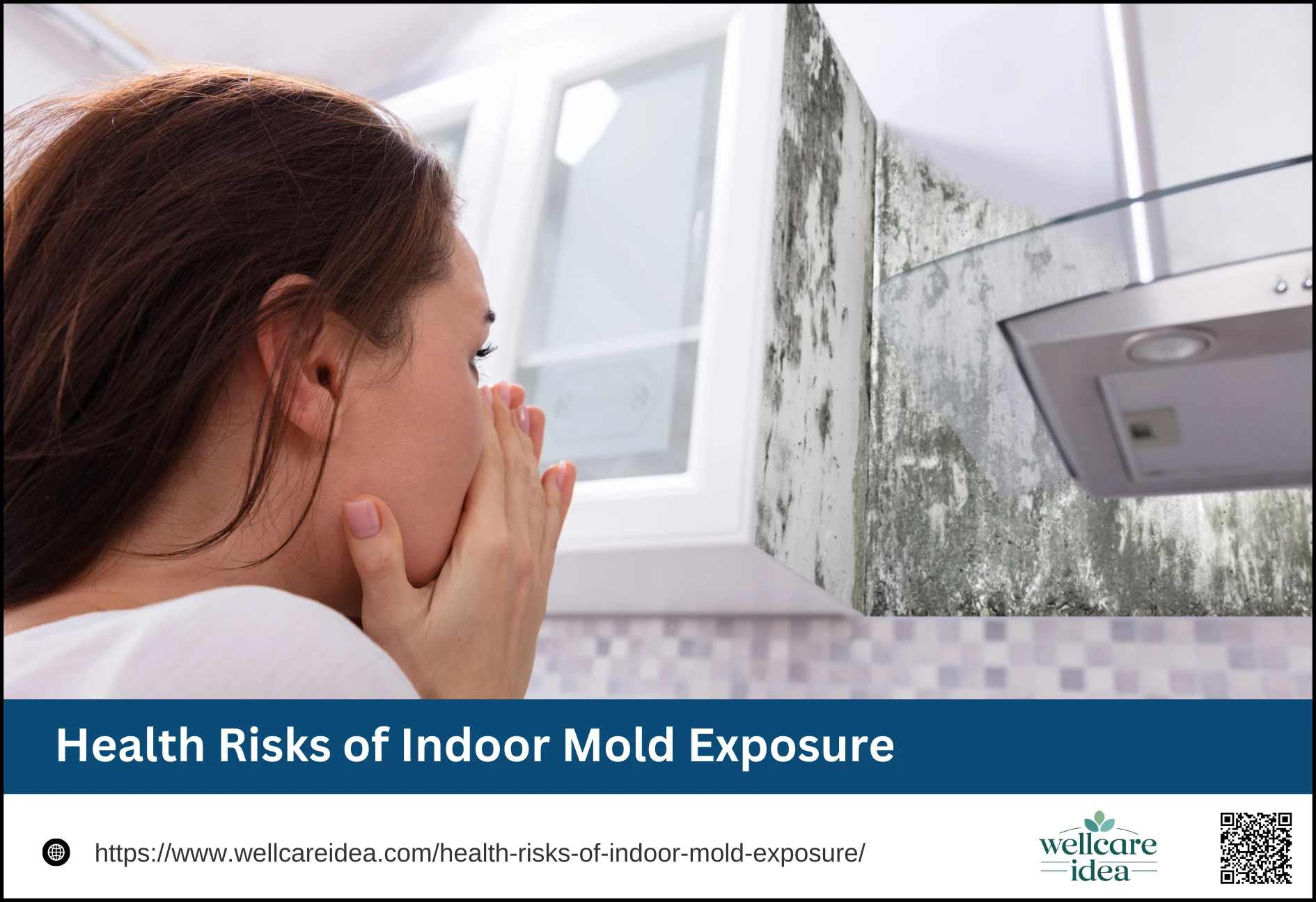
What is Indoor Mold Exposure
Indoor mold exposure occurs when individuals inhale or come into physical contact with fungal spores and fragments that thrive in damp, water-damaged environments. Molds are microscopic fungi that play a key role in the breakdown of organic matter outdoors, but when they proliferate inside homes, schools, or workplaces, they can significantly degrade indoor air quality. Exposure typically happens through the inhalation of airborne spores, which can settle on damp surfaces like walls, carpets, and insulation. According to health authorities, persistent dampness and microbial growth on interior surfaces should be avoided to prevent adverse health outcomes 1 The World Health Organization (WHO) and other agencies have identified that living or working in mold-damaged buildings is associated with a variety of health issues, ranging from mild irritation to severe systemic reactions 2
Health Risks of Indoor Mold Exposure
1. Respiratory System Effects
The most consistently documented health impact of mold involves the respiratory system, where inhaled spores can trigger significant inflammation and airway obstruction. Research indicates a strong association between damp indoor environments and the development or worsening of asthma, particularly in children and adults with pre-existing conditions 3 Individuals exposed to mold often report symptoms such as persistent coughing, wheezing, shortness of breath, and chest tightness. Furthermore, studies have shown that mold exposure can lead to hypersensitivity pneumonitis, a condition where the lungs become inflamed due to an immune reaction to inhaled organic dusts and fungus 4
2. Immunological & Allergic Responses
For many people, the immune system identifies mold spores as foreign invaders, launching an allergic defense response that results in chronic discomfort. This reaction often manifests as allergic rhinitis, characterized by a runny or blocked nose, sneezing, and red, itchy eyes 5 In more severe cases, the immune system may become sensitized, meaning that even small amounts of mold can trigger a disproportionately large allergic reaction. Research suggests that prolonged exposure can alter immune function, potentially leading to chronic sinusitis and other inflammatory conditions that persist even after the immediate exposure is removed 6
3. Infections & Pathogenic Risks
While most healthy individuals can inhale mold spores without developing an infection, those with weakened immune systems face a much higher risk of invasive fungal diseases. Vulnerable groups, such as organ transplant recipients, cancer patients undergoing chemotherapy, and people with chronic lung disease, may develop serious infections like aspergillosis, where mold actively grows within the lung tissue 7 These infections can be life-threatening and require aggressive medical treatment. Medical guidelines emphasize that for immunocompromised patients, the complete avoidance of moldy environments is critical to prevent these opportunistic infections 8
4. Toxic & Systemic Effects
Certain types of molds produce toxic chemical substances known as mycotoxins, which can be carried on spores and dust particles into the body. When inhaled or ingested in sufficient quantities, these toxins may cause systemic health effects that go beyond simple allergies. Some research points to “sick building syndrome,” where occupants experience a collection of non-specific symptoms like fatigue, headaches, and nausea linked to toxic byproducts in the air 9 Although scientific debate continues regarding the exact levels required to cause toxicity in healthy humans, evidence suggests that mycotoxins can disrupt cellular function and potentially contribute to broader organ distress in heavily contaminated settings 10
5. Neurological & Cognitive Symptoms
Emerging research has begun to investigate the potential link between chronic mold exposure and neurological deficits, often described by patients as “brain fog.” Some studies have observed cognitive impairments, such as difficulties with memory, concentration, and executive function, in individuals with a history of exposure to toxic mold 11 Animal studies have also suggested that inhalation of certain mold spores can trigger immune activation in the brain, leading to anxiety-like behavior and memory deficits 12 While this area requires further investigation to fully understand the mechanisms, the current data highlights the possibility that the effects of mold may extend to the nervous system.
Conclusion
Addressing the presence of fungal growth in indoor environments is a critical step in maintaining long-term physical well-being. The evidence confirms that dampness and mold are not merely aesthetic issues but active environmental hazards that can provoke respiratory distress, allergic reactions, and potentially systemic toxicity. Health agencies emphasize that controlling moisture is the single most effective way to prevent mold growth and its associated health burdens 13 , 14 By recognizing the symptoms early and remediating water damage promptly, individuals can significantly reduce their risk of developing chronic conditions associated with poor indoor air quality.