
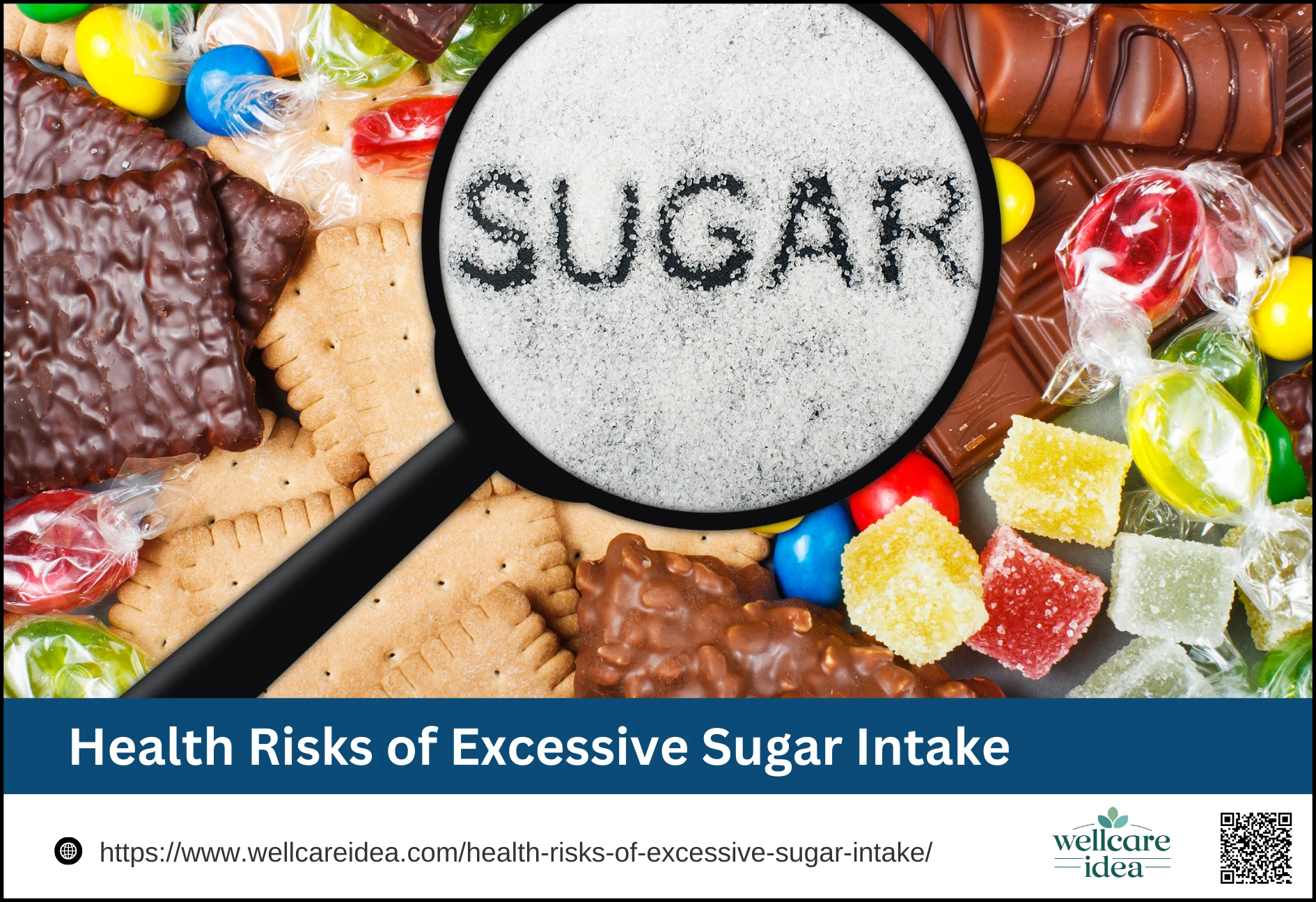
Current dietary guidelines distinguish between natural sugars found in whole fruit and milk, and “free” or “added” sugars introduced during food processing. Organizations like the American Heart Association (AHA) and the World Health Organization (WHO) have established strict limits to prevent chronic disease. The AHA specifically recommends that women limit added sugar to 6 teaspoons (25 grams) per day and men to 9 teaspoons (36 grams) per day. However, the average adult consumption often exceeds these limits by more than double, primarily through sugary beverages, snacks, and processed foods 1
Health Risks of Excessive Sugar Intake
1. Weight Gain and Obesity
The consumption of added sugars, particularly in liquid form like sodas and energy drinks, is a primary driver of rising obesity rates globally. Unlike solid foods, sugary drinks do not provide a feeling of fullness, leading individuals to consume more total calories without compensating for the liquid calories. Long-term studies, such as the CARDIA study which followed participants for 30 years, have demonstrated a direct correlation where higher added sugar intake is significantly associated with increased weight gain and a higher risk of developing obesity 2
2. Increased Risk of Type 2 Diabetes
A high-sugar diet often leads to insulin resistance, a condition where the body’s cells stop responding properly to the hormone insulin. This forces the pancreas to work overtime to manage blood glucose, eventually leading to its dysfunction. Research consistently shows that the regular consumption of sugar-sweetened beverages is strongly linked to the development of metabolic syndrome and Type 2 diabetes, with some studies suggesting an 18% to 26% greater risk for those with the highest intake 3
3. Cardiovascular Disease (Heart Disease and Stroke)
While salt is often blamed for heart issues, excessive sugar is a significant, independent risk factor for cardiovascular mortality. High sugar intake raises blood triglycerides, increases blood pressure, and promotes inflammation—all of which damage the arteries. A major study published in JAMA Internal Medicine found that people who consumed 17% to 21% of their calories from added sugar had a 38% higher risk of dying from cardiovascular disease compared to those who consumed less than 8% of their calories from sugar 4
4. Non-Alcoholic Fatty Liver Disease (NAFLD)
The liver is the primary organ responsible for metabolizing fructose, a type of sugar often added to processed foods. When the liver is overloaded with fructose, it turns the excess into fat, which accumulates in liver cells. This process can lead to Non-Alcoholic Fatty Liver Disease (NAFLD), a condition that can progress to severe liver inflammation and scarring. Scientific reviews highlight that fructose is a major mediator of liver fat accumulation, distinguishable from glucose in its harmful metabolic effects 5
5. Chronic Inflammation
Systemic inflammation is the root cause of many chronic illnesses, and sugar is a known dietary trigger for inflammatory pathways. Consuming high amounts of simple sugars causes the body to release pro-inflammatory cytokines. A study involving semi-professional athletes found a strong positive association between dietary sugar intake and elevated levels of C-reactive protein (CRP), a key marker of inflammation in the blood 6
6. High Blood Pressure (Hypertension)
Dietary sugar may be more significant than salt in driving hypertension. Fructose raises uric acid levels in the blood, which inhibits the production of nitric oxide, a molecule necessary for keeping blood vessels relaxed and open. Clinical evidence suggests that reducing sugar intake, particularly from industrial sources, can help lower blood pressure and reduce overall cardiometabolic risk 7
7. Dental Decay and Cavities
Sugar is the primary food source for harmful bacteria in the mouth. When these bacteria digest sugar, they produce acid as a waste product. This acid erodes the protective enamel of the teeth, leading to cavities and decay. The World Health Organization has cited moderate quality evidence linking the amount of free sugars consumed directly to the development of dental caries 8
8. Skin Aging and Acne
Excess sugar in the bloodstream can attach to proteins in a process called glycation, forming harmful molecules known as Advanced Glycation End Products (AGEs). These molecules damage collagen and elastin, the proteins responsible for keeping skin firm and youthful, leading to premature wrinkles and sagging. Furthermore, high-glycemic diets that spike blood sugar have been linked to increased acne severity due to increased oil production and inflammation 9
9. Increased Risk of Certain Cancers
There is a growing body of evidence suggesting an association between high sugar consumption and the risk of certain cancers, particularly those related to adiposity (body fat). The mechanisms include insulin-glucose dysregulation, oxidative stress, and chronic inflammation. A longitudinal study from the Framingham Offspring cohort found that higher consumption of sugary beverages was associated with an increased risk of cancer in individuals with central adiposity 10
10. Mental Health Issues (Depression and Anxiety)
While many people turn to sweets for comfort, sugar may actually worsen mood disorders over time. High sugar intake is linked to brain inflammation and imbalances in neurotransmitters like dopamine. The Whitehall II study, a large-scale analysis, found that men with the highest sugar intake from sweet foods and beverages had a 23% increased likelihood of developing a common mental disorder after five years 11
11. Cognitive Decline and Dementia
Elevated blood glucose levels can harm the brain’s functional connectivity and reduce brain volume. This damage can occur even in individuals without diabetes. A prospective cohort study involving over 150,000 participants identified a significant dose-response relationship between sugar intake and the risk of dementia, suggesting that both free and non-free sugars are independent risk factors for cognitive decline 12
12. Kidney Damage
The kidneys act as a filtration system for the blood, and high blood sugar levels can damage the delicate blood vessels within them. This damage can impair the kidneys’ ability to filter waste, leading to a condition known as diabetic nephropathy. The presence of albumin (protein) in the urine is a key indicator of this damage, which is frequently caused by the metabolic strain of processing high sugar loads 13
13. Cellular Aging
Telomeres are the protective caps at the end of DNA strands that naturally shorten as we age. However, lifestyle factors can accelerate this shortening, causing cells to age and die faster. Research indicates that the oxidative stress and inflammation caused by high sugar consumption can accelerate telomere attrition, effectively advancing the body’s biological clock 14
14. Energy Slumps and Fatigue
Foods high in added sugar cause a rapid spike in blood glucose and insulin, followed by a sharp crash. This phenomenon, often referred to as reactive hypoglycemia, leads to sudden fatigue, irritability, and a craving for more sugar to restore energy levels. This “rollercoaster” effect disrupts stable energy production and can lead to chronic tiredness 15