
What is Lion’s Mane Mushroom?
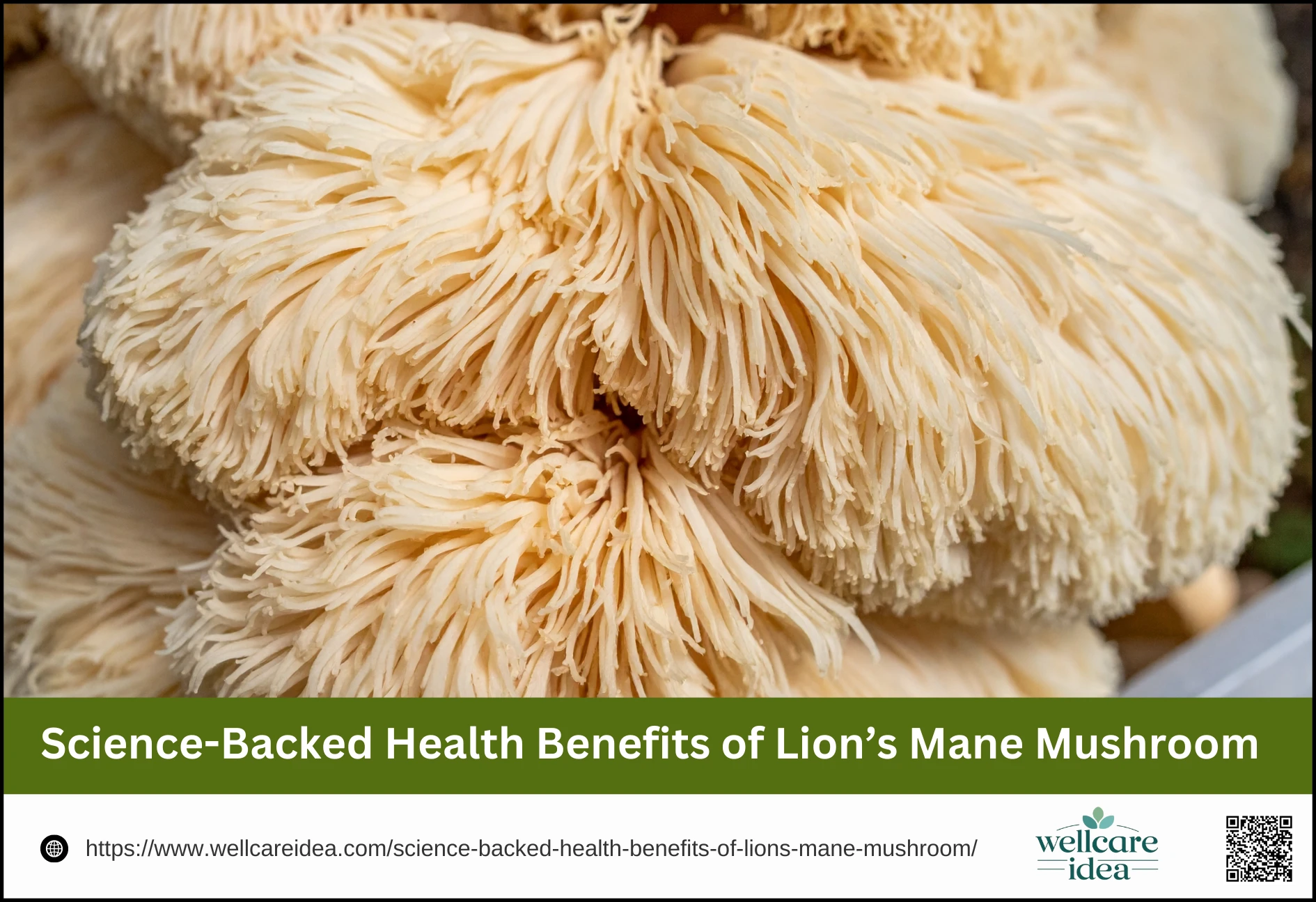
Biologically known as Hericium erinaceus, this unique fungus is easily recognized by its white, cascading spines that resemble the mane of a lion or a frozen waterfall. Unlike standard cap-and-stem mushrooms, it grows on the trunks of hardwood trees in North America, Europe, and Asia. While it has been a staple in traditional Chinese and Japanese medicine for centuries to support digestion and general vitality, modern science has recently begun to uncover the specific bioactive compounds responsible for its reputation. Research indicates that the mushroom contains two distinct families of compounds—hericenones found in the fruiting body and erinacines found in the mycelium—that are rarely found in other food sources 1
 Science-Backed Health Benefits of Lion’s Mane Mushroom
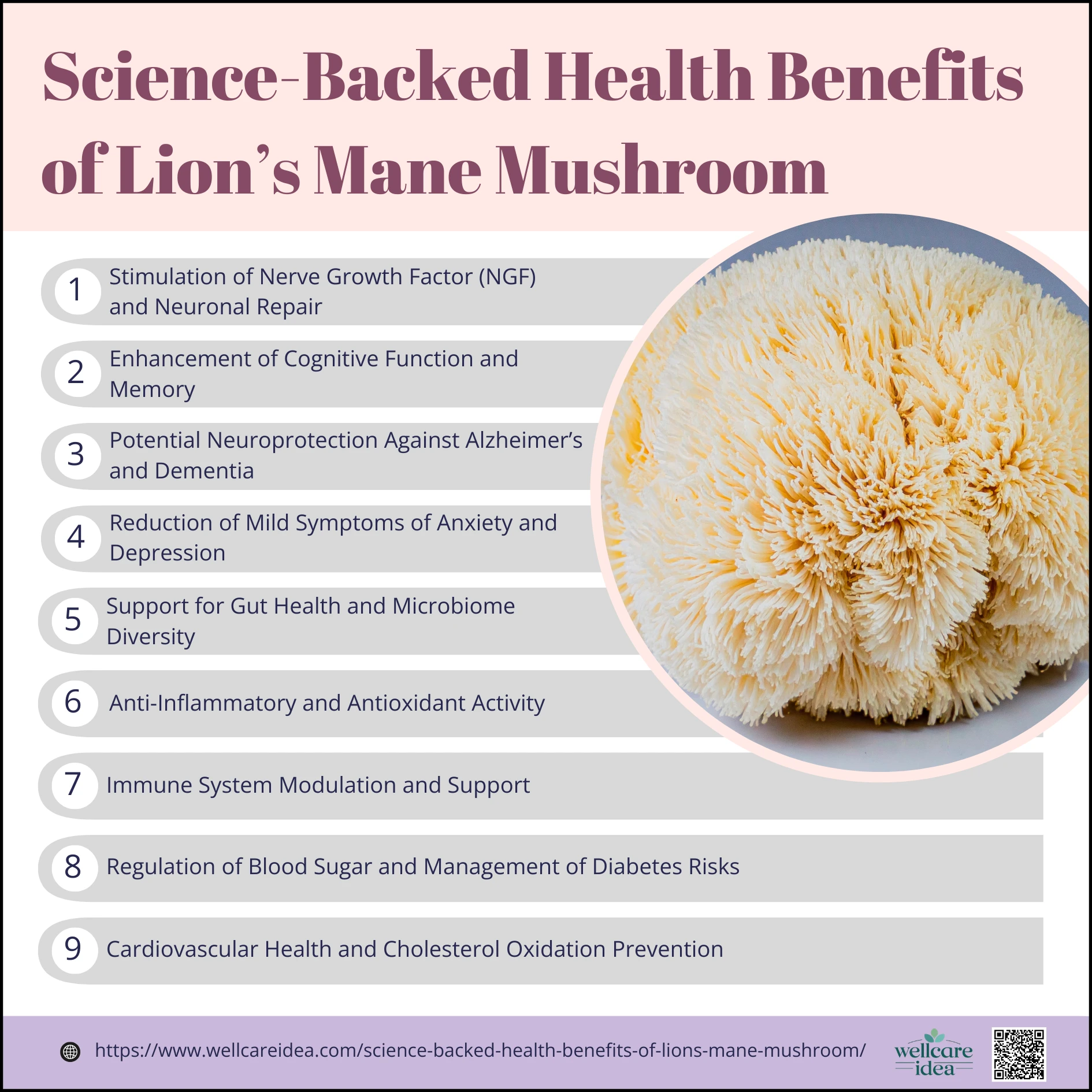
1. Stimulation of Nerve Growth Factor (NGF) and Neuronal Repair
The most heavily researched benefit of this mushroom is its ability to influence the nervous system. The compound groups mentioned previously, particularly erinacines, have been shown to cross the blood-brain barrier and stimulate the synthesis of Nerve Growth Factor (NGF). NGF is a vital protein that plays a crucial role in the maintenance, survival, and regeneration of neurons 2 By promoting the production of this protein, Lion’s Mane may help stimulate the repair of damaged nerve cells and support the growth of new neural pathways, a process known as neurogenesis 1
2. Enhancement of Cognitive Function and Memory
Clinical studies involving human participants have provided evidence that these neurotrophic effects translate into measurable cognitive improvements. In a double-blind, placebo-controlled trial involving Japanese men and women aged 50 to 80 with mild cognitive impairment, those who consumed 3 grams of Lion’s Mane daily for 16 weeks showed significantly increased scores on cognitive function scales compared to the placebo group 3 The study noted that while the benefits were significant during supplementation, the scores decreased after stopping intake, suggesting that consistent use may be necessary for maintaining these cognitive gains 4
3. Potential Neuroprotection Against Alzheimer’s and Dementia
Beyond general memory enhancement, researchers are investigating the mushroom’s potential to protect against neurodegenerative diseases. Preclinical studies suggest that extracts from Hericium erinaceus may reduce the toxicity of beta-amyloid peptides, which are the main component of the plaques that form in the brains of Alzheimer’s patients 5 By protecting neurons from the damage caused by these plaques and reducing oxidative stress in the brain, the mushroom may offer a therapeutic strategy for slowing the progression of dementia and preserving neuronal integrity 1
4. Reduction of Mild Symptoms of Anxiety and Depression
Emerging evidence suggests that the benefits of Lion’s Mane extend to mood regulation, potentially offering relief for mild anxiety and depression. A study involving 30 women demonstrated that four weeks of Lion’s Mane intake reduced symptoms of irritation and anxiety, likely due to a reduction in inflammation or the stimulation of nerve growth in the hippocampus, a brain region involved in emotional processing 6 Unlike traditional antidepressants that focus on neurotransmitters like serotonin, this mechanism appears to support the biological health of brain cells associated with emotion 7
5. Support for Gut Health and Microbiome Diversity
The digestive system benefits significantly from this fungus, which acts as a prebiotic to support a healthy gut microbiome. Research indicates that Hericium erinaceus extracts can inhibit the growth of Helicobacter pylori, a bacterium commonly associated with stomach ulcers and gastritis, without harming beneficial bacteria [https://pubmed.ncbi.nlm.nih.gov/30806251/]. Furthermore, the mushroom has been shown to protect the stomach lining from damage and reduce ulceration in animal models, suggesting it helps maintain the integrity of the gastric mucus barrier 8
6. Anti-Inflammatory and Antioxidant Activity
Chronic inflammation and oxidative stress are root causes of many modern illnesses, including heart disease and autoimmune disorders. Lion’s Mane is rich in oligosaccharides and other antioxidants that actively scavenge unstable molecules known as free radicals 9 Studies utilizing ethanol extracts of the mushroom have demonstrated high antioxidant activity, which helps reduce cellular damage and lower excessive inflammation throughout the body 7
7. Immune System Modulation and Support
A strong immune system relies on the body’s ability to recognize and neutralize threats, and this mushroom appears to enhance that capability. Research indicates that the polysaccharides found in Lion’s Mane can increase the activity of the intestinal immune system, which is a critical defense line against pathogens entering the body through the mouth or nose 10 By modulating the gut-associated lymphoid tissue, the mushroom helps maintain a balanced immune response, preventing both under-reaction to infections and over-reaction in allergic states 11
8. Regulation of Blood Sugar and Management of Diabetes Risks
Metabolic health is another area where Hericium erinaceus shows promise, particularly in the management of blood glucose levels. Animal studies have shown that extracts from the mushroom can significantly lower blood sugar levels in diabetic rats, potentially by inhibiting the enzyme alpha-glucosidase, which breaks down carbohydrates in the small intestine 12 This action mimics the effect of certain diabetes medications, slowing the absorption of sugar and preventing sharp spikes in glucose after meals 13
9. Cardiovascular Health and Cholesterol Oxidation Prevention
Heart health is closely linked to the management of cholesterol, specifically the prevention of LDL cholesterol oxidation, which leads to hardened arteries. Research has identified that specific fractions of the mushroom, particularly those extracted with hexane, are potent inhibitors of LDL oxidation and can reduce the activity of HMG-CoA reductase, a key enzyme in cholesterol production 14 By preventing the hardening of cholesterol in the bloodstream, Lion’s Mane may help improve blood circulation and reduce the risk of cardiovascular events 15
Safety Profile, Dosage, and Potential Side Effects
Lion’s Mane is generally considered safe for most individuals, as it has been a culinary food source for centuries. Toxicology studies in rats have shown no adverse effects even at high doses of up to 2000 mg/kg of body weight, indicating a high margin of safety 16 However, mild side effects such as abdominal discomfort or nausea have been reported in some human trials. It is important to note that individuals with mushroom allergies should avoid this supplement, and those with a history of asthma should use caution, as allergic reactions are possible 17 Common dosages used in clinical studies range from 1 to 3 grams of dried powder per day, though optimal dosing can vary based on the extract’s potency.
Conclusion
The scientific exploration of Lion’s Mane mushroom reveals a compelling intersection between ancient wisdom and modern neurological research. From stimulating the growth of new nerve cells to protecting the heart and gut, Hericium erinaceus offers a diverse range of health benefits supported by a growing body of evidence. While more large-scale human trials are needed to fully standardize dosages and therapeutic applications, current research highlights its potential as a powerful, natural tool for supporting cognitive longevity and overall wellness.