
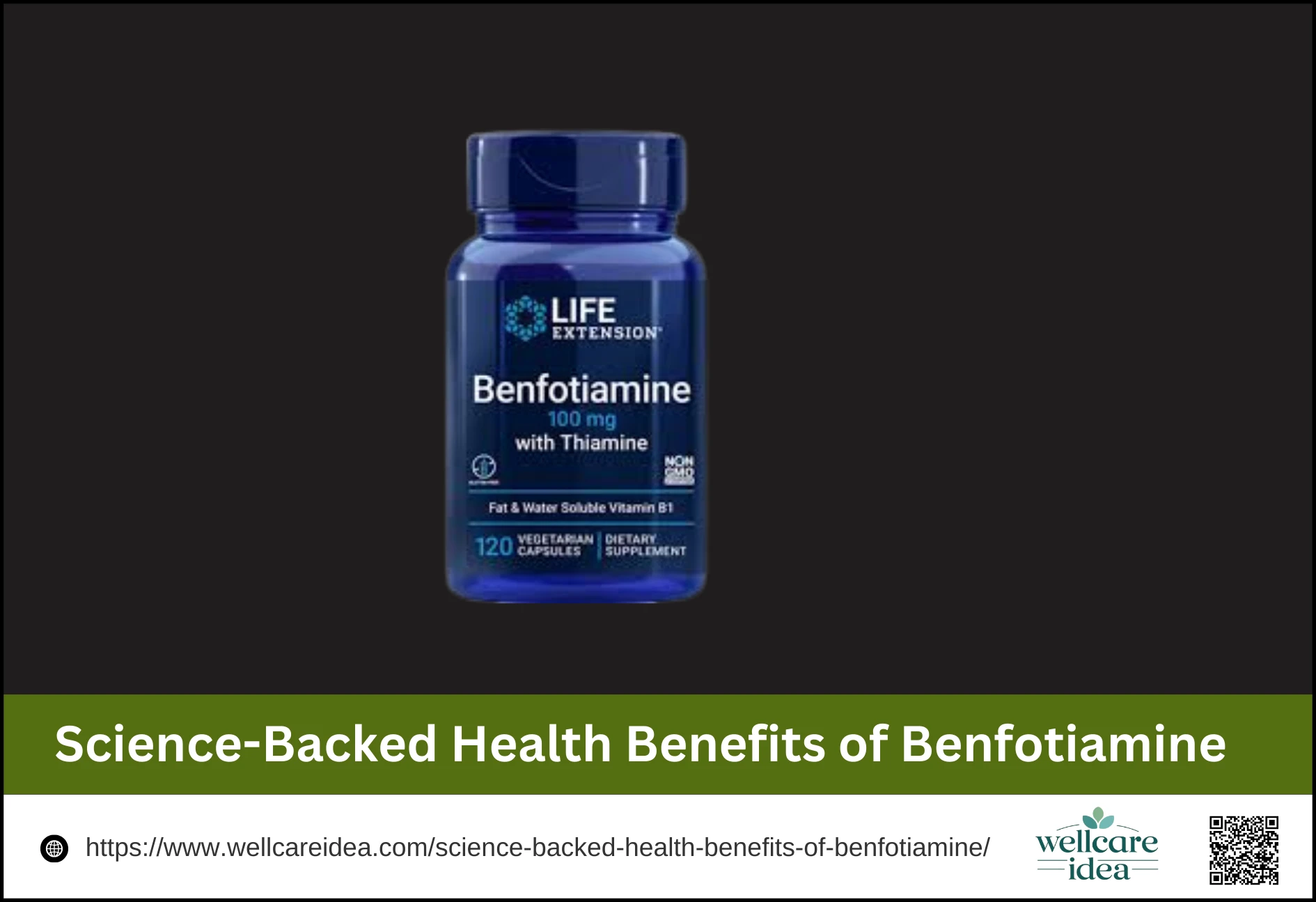
What is Benfotiamine?
Benfotiamine is a synthetic, fat-soluble version of Vitamin B1, also known as thiamine. Unlike standard thiamine, which dissolves in water, the fat-soluble nature of benfotiamine allows it to pass through cell membranes more effectively, leading to significantly higher absorption rates and better bioavailability within the body 1 This unique structure enables the body to maintain higher levels of thiamine in the blood and tissues for longer periods, making it a powerful tool for supporting metabolic {health https://www.sciencedirect.com/topics/neuroscience/benfotiamine}
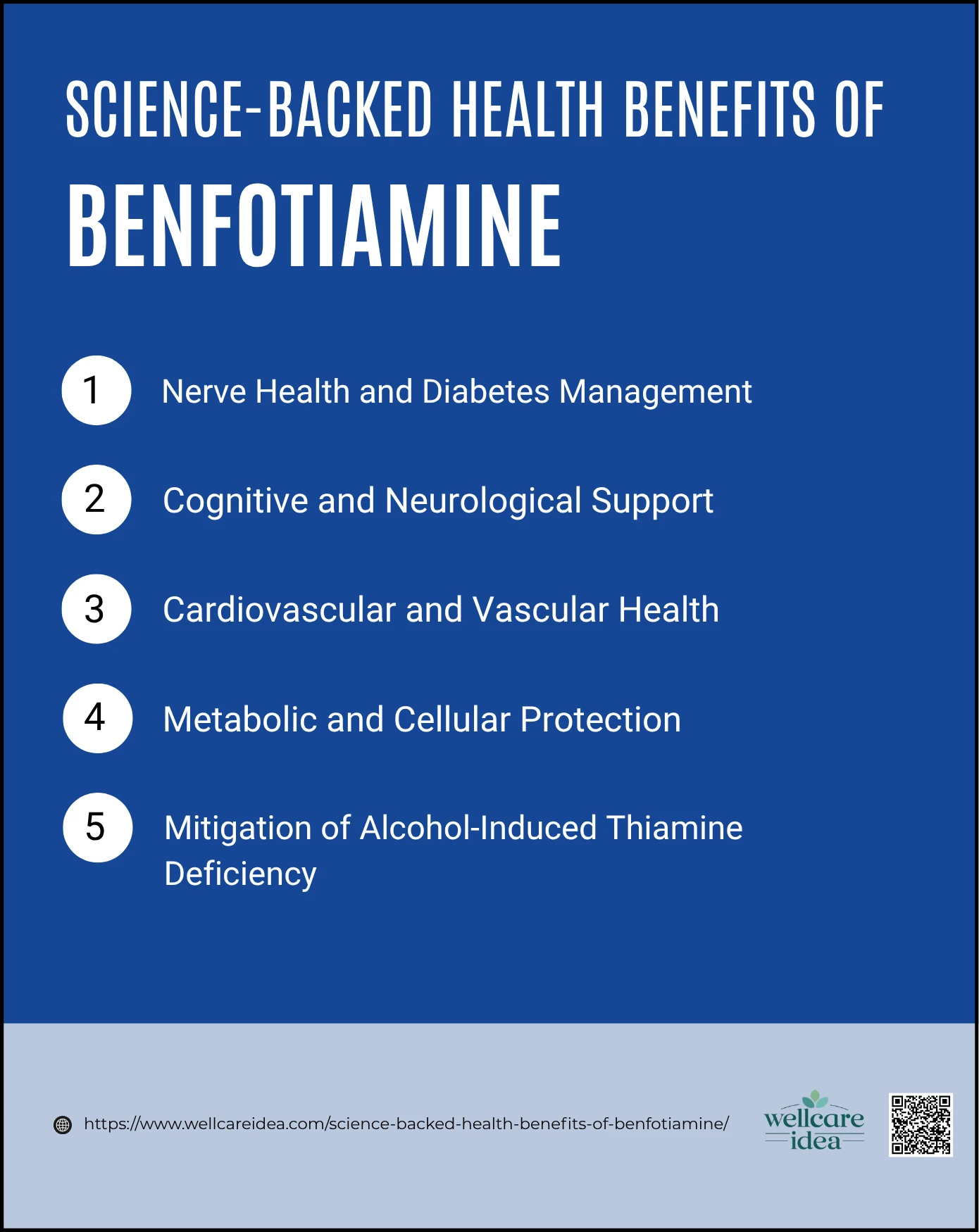 1. Nerve Health and Diabetes Management
One of the most well-documented uses of benfotiamine is its ability to protect the body against the damaging effects of high blood sugar. It works by activating an enzyme called transketolase, which helps process sugar byproducts before they can cause cellular damage 2 This is particularly beneficial for individuals dealing with diabetic neuropathy, a type of nerve damage that causes tingling, numbness, or burning sensations in the limbs. Clinical trials have demonstrated that consistent use of benfotiamine can lead to a significant reduction in pain scores and improved nerve conduction 3 , 4
2. Cognitive and Neurological Support
Beyond its role in blood sugar management, benfotiamine shows promise in protecting the brain. It helps reduce oxidative stress and inflammation in neural tissues, which are major contributors to cognitive decline. Research suggests that by improving thiamine levels in the brain, benfotiamine may slow the progression of memory-related conditions like Alzheimer’s disease 5 By supporting the way brain cells use glucose for energy, it helps maintain mental clarity and supports overall neurological longevity 6 , 7
3. Cardiovascular and Vascular Health
The vascular system also benefits from this nutrient’s protective qualities. High glucose levels can lead to “oxidative stress” in the walls of blood vessels, eventually making them stiff or damaged. Benfotiamine helps shield the endothelial cells—the thin layer of cells lining the blood vessels—from this damage. Studies indicate that it may improve the flexibility of blood vessels and promote healthier circulation, which is vital for long-term heart health 8 , 9
4. Metabolic and Cellular Protection
At the cellular level, benfotiamine acts as a safeguard against Advanced Glycation End-products (AGEs). AGEs are harmful compounds that form when protein or fat combines with sugar in the bloodstream; they are a primary driver of aging and chronic disease 10 By blocking the pathways that lead to AGE formation, benfotiamine prevents cellular “rusting” and protects vital organs, including the kidneys and retinas, from sugar-induced deterioration 2
5. Mitigation of Alcohol-Induced Thiamine Deficiency
Chronic alcohol consumption can severely deplete the body’s thiamine stores, leading to a range of health issues from fatigue to serious neurological disorders. Benfotiamine is an effective intervention for restoring these levels quickly due to its high absorption rate 11 By correcting these deficiencies, it helps support liver health and brain function in individuals recovering from the physiological impacts of alcohol 12 , 7
Conclusion
Benfotiamine stands out as a highly effective form of Vitamin B1, offering superior absorption and a broad spectrum of health benefits. From protecting nerves and blood vessels to supporting brain function and cellular integrity, it serves as a robust defense against the metabolic stresses of modern life. As with any supplement, it is best to consult with a healthcare professional to determine the appropriate dosage for your specific wellness goals.