
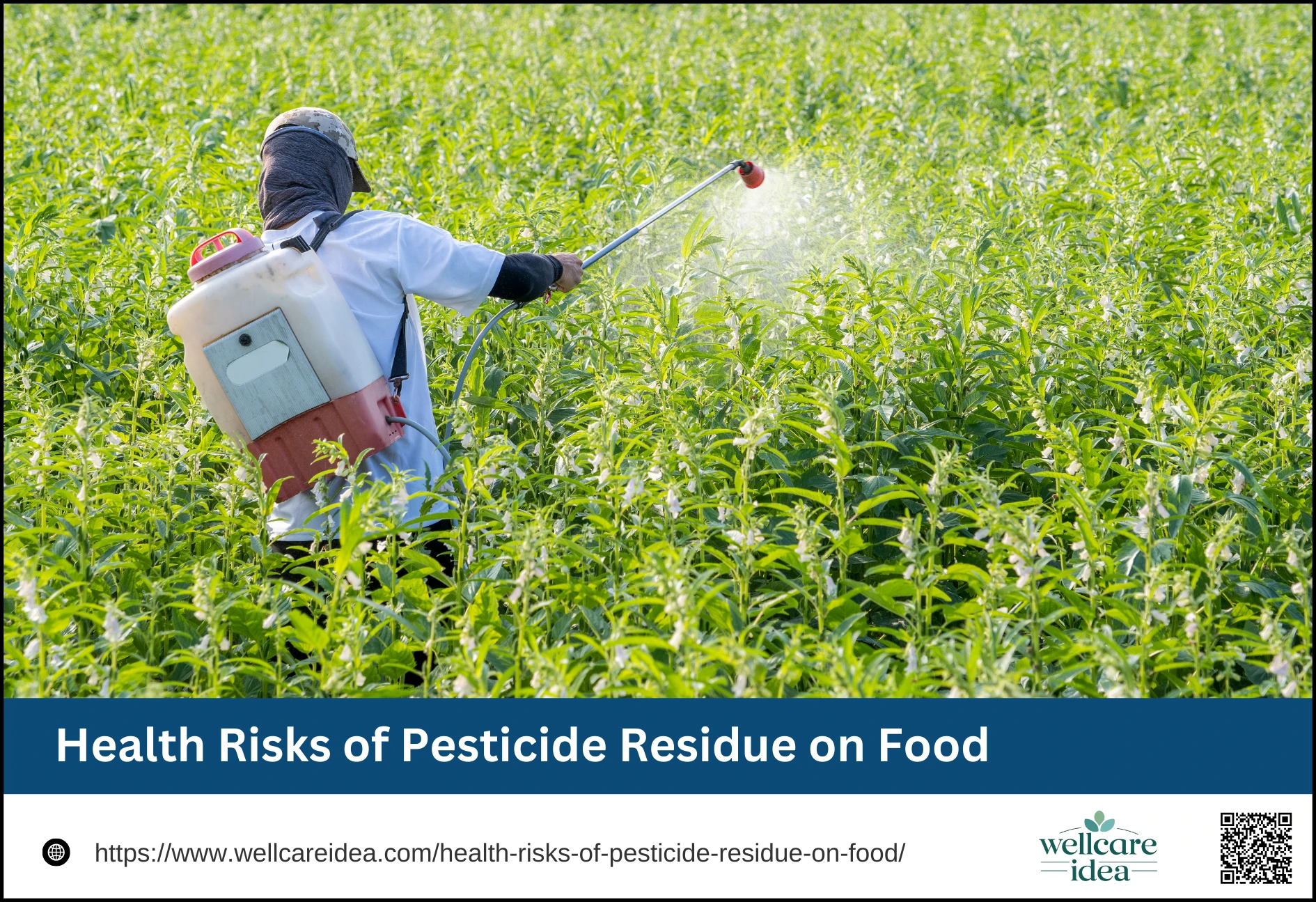
Modern agriculture frequently utilizes chemical substances to safeguard crops against pests, fungi, and weeds. When these substances remain on produce after harvesting and processing, they are termed pesticide residues. According to the National Institutes of Health (NIH), these residues are trace amounts of chemicals that persist in or on food and can enter the human system through consumption 1 While regulatory agencies establish safety limits, the presence of multiple chemical traces on a single piece of fruit or vegetable has prompted scientific investigation into how these substances accumulate in the body over time.
 1. Immediate Physical Reactions to Exposure
Individuals may experience acute health effects if they consume food with exceptionally high levels of contamination or if they are exposed to concentrated pesticides. These short-term reactions can manifest as skin irritation, dizziness, nausea, or respiratory issues. Research published in PubMed indicates that acute poisoning often stems from the chemical’s immediate impact on the nervous system and enzyme functions 2 , 3 While such high-level exposure is more common in agricultural settings, consumers must remain aware of the potential for rapid physical symptoms following the ingestion of improperly treated produce.
2. Long-Term Consequences of Low-Level Ingestion
The risks associated with chronic exposure are often harder to detect because they develop slowly through the daily intake of small amounts of toxins. Over years, this persistent ingestion can lead to significant cellular and metabolic disruptions. Data from ScienceDirect and the NIH suggest that long-term exposure to certain pesticide classes is linked to an increased risk of chronic conditions, including Type 2 diabetes and various cardiovascular diseases 4 Because many of these chemicals are designed to be stable, they can build up in human fat tissues, potentially causing health issues decades after the initial exposure began.
3. Vulnerability in Children and Expectant Mothers
Certain populations face a much higher risk from food-borne residues due to their physiological development. Children, for instance, eat more food relative to their body size than adults and possess organ systems that are still maturing, making them less efficient at processing toxins. Studies highlighted by Harvard University and PubMed demonstrate that prenatal exposure to specific pesticides can lead to lower IQ scores, neurodevelopmental delays, and behavioral challenges in children 5 , 6 Furthermore, the transfer of these chemicals from a mother to a fetus via the placenta is a significant concern for long-term infant health.
4. Internal Organ and Systemic Damage
Once pesticides are absorbed into the body, they can target specific organs, particularly the liver and kidneys, which are the primary sites for detoxification. Evidence from ResearchGate and the NIH suggests that pesticide residues can induce oxidative stress, a condition where cells and DNA are damaged, leading to potential organ dysfunction 7 , 1 Additionally, many pesticides are classified as endocrine disruptors, meaning they mimic or block natural hormones. This interference can result in reproductive problems, thyroid imbalances, and disruptions in the body’s internal growth signals 8
5. The Complexity of Chemical “Cocktails”
A major scientific challenge currently being addressed is the “cocktail effect,” which refers to the simultaneous exposure to multiple different pesticides. While most regulatory tests evaluate chemicals individually, a single meal might contain residues from several different substances. Reports found on PubMed indicate that these mixtures can have synergistic effects, where the combined toxicity is greater than the sum of the individual parts 9 , 10 This interaction makes it difficult for researchers to establish a single “safe” level for the general public, as the combinations are nearly infinite.
Global Safety Standards and Personal Mitigation
To address these health concerns, international organizations like the World Health Organization (WHO) and the NIH work with governments to set “Maximum Residue Limits” (MRLs) for food products 11 Despite these safeguards, many people take additional steps to reduce their personal exposure. Research shows that switching to organic produce, which is grown without synthetic pesticides, and practicing thorough washing or peeling of conventional produce can significantly lower the levels of pesticides found in the body 10 , 12 These simple lifestyle adjustments remain the most effective evidence-based methods for mitigating the risks associated with agricultural chemicals.