
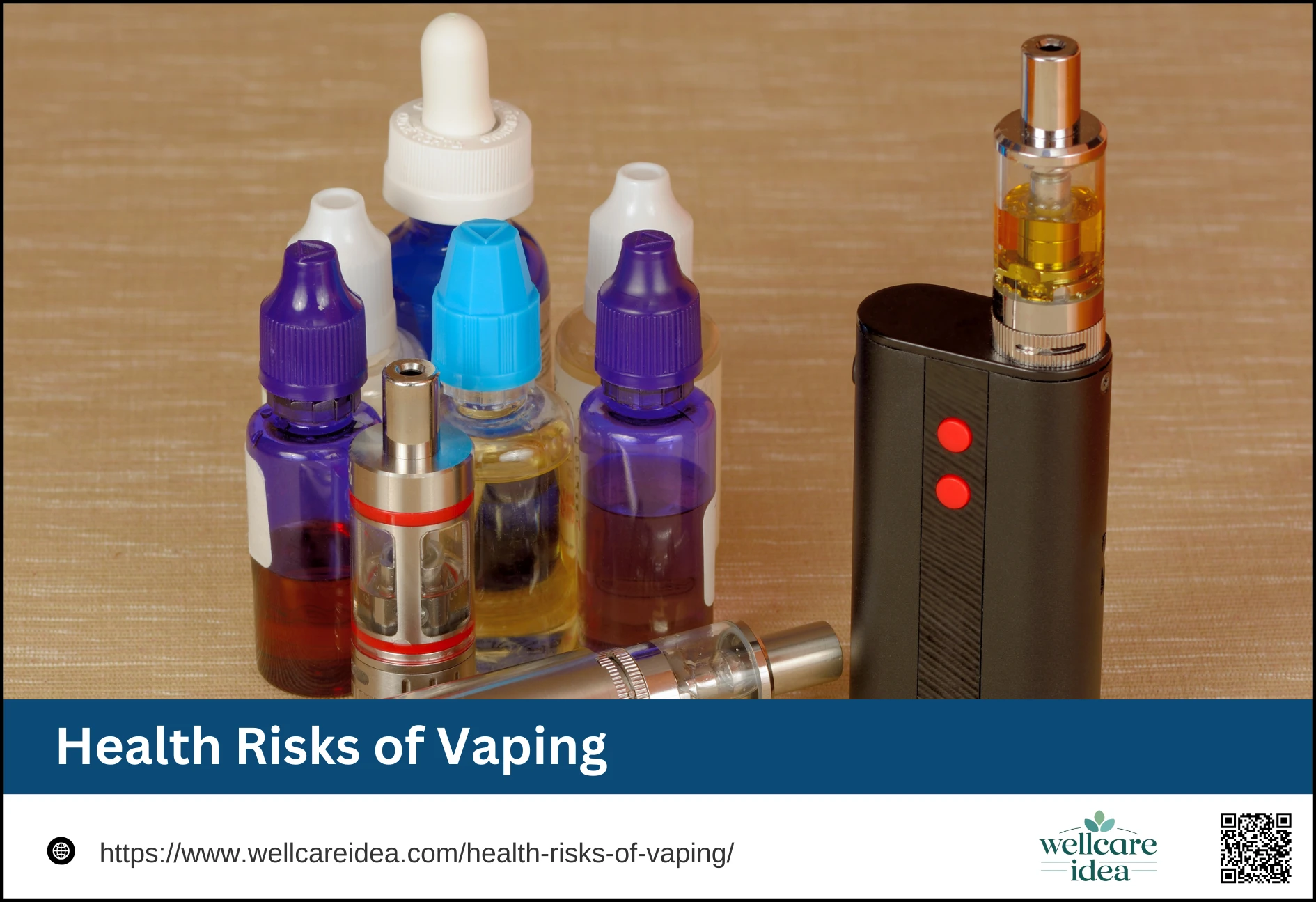
What is Vaping?
Electronic cigarettes, often referred to as vapes or vape pens, are battery-operated devices that have gained significant popularity as an alternative to traditional smoking. Instead of burning tobacco, these devices heat a liquid solution—commonly known as e-liquid or vape juice—to a high temperature. This process creates an aerosol that the user inhales. While many users believe they are inhaling harmless water vapor, research indicates that this mist actually contains a complex mixture of fine particles and chemicals. The National Institutes of Health (NIH) clarifies that puffing on these devices activates a heating element which turns the liquid into an aerosol, exposing the lungs to a variety of substances including nicotine, flavorants, and other volatile organic compounds 1 , 2 , 3 , 4
The composition of the liquid used in these devices varies, but it typically includes nicotine, propylene glycol, vegetable glycerin, and flavoring agents. Although some of these ingredients are considered safe for ingestion, their safety when heated and inhaled is a major concern for health experts. According to the Cleveland Clinic, the aerosol produced can contain harmful substances such as heavy metals like nickel, tin, and lead, which are toxic to the human body 5 , 6
 Health Risks of Vaping
1. Respiratory System Risks
The lungs are the primary organs affected by the inhalation of vape aerosol, and the damage can be acute and severe. One of the most critical conditions identified is E-cigarette or Vaping Product Use-Associated Lung Injury (EVALI). This serious respiratory illness mimics symptoms of pneumonia and has been linked to thousands of hospitalizations. Research archived by the National Library of Medicine indicates that vitamin E acetate, a thickening agent often found in THC-containing vaping products, is a primary chemical of concern associated with this outbreak 7 , 1 , 8
Beyond acute injuries, chronic use of vaping devices poses long-term risks to respiratory function. The inhalation of flavoring chemicals, particularly diacetyl, has been linked to bronchiolitis obliterans, a condition often called “popcorn lung,” which causes permanent scarring and narrowing of the airways. Furthermore, studies published on PubMed highlight that the aerosol’s composition can trigger airway irritation, mucus hypersecretion, and inflammatory responses, potentially exacerbating conditions like asthma and chronic obstructive pulmonary disease (COPD) 9 , 10
2. Cardiovascular Health Risks
Heart health is significantly compromised by the chemicals found in e-cigarettes, particularly nicotine, which acts as a stimulant. When inhaled, nicotine rapidly enters the bloodstream, causing an immediate increase in heart rate and blood pressure. The American Heart Association has reported that adults who vape display worrisome changesr in blood vessel function, including greater constriction of arteries and worse measures of heart rate variability compared to non-users 11 , 8
Recent studies suggest that these risks extend beyond immediate physiological reactions and may contribute to long-term cardiovascular disease. A systematic review discussed by News-Medical and Harvard sources found that e-cigarette use is associated with a 53% higher risk of myocardial infarction (heart attack), with the risk being even more pronounced in former smokers who switched to vaping 6 Additionally, research from Massachusetts General Hospital indicates that vaping can negatively affect lipid levels and decrease myocardial blood flow, contradicting the popular opinion that these devices are a “heart-safe” alternative to smoking 12
3. Neurological and Developmental Risks
The impact of vaping on the brain is a profound concern, particularly for adolescents and young adults whose brains are still developing. Nicotine is a highly addictive substance that can alter the way synapses form, potentially leading to lasting deficits in attention, learning, and impulse control. A report available on ResearchGate emphasizes that nicotine exposure during sensitive developmental windows is detrimental to executive function and reward-related circuitry, which can increase the susceptibility to addiction later in life 13
Toxic exposure from vaping devices also threatens neurological health through mechanisms other than nicotine addiction. Some studies suggest that the metallic coils used to heat the liquid can leak toxic metals such as manganese and lead into the aerosol. According to research published in The Journal of Neuropsychiatry and Clinical Neurosciences, chronic exposure to these vaporized elements may result in metal accumulation in the central nervous system, leading to neuroinflammation and potential cognitive impairments 14
4. Chemical Exposure Risks
While e-cigarettes do not produce tar like traditional cigarettes, they generate a distinct profile of hazardous chemicals. The heating process can thermally degrade the propylene glycol and glycerol in the e-liquid, transforming them into carcinogenic compounds such as formaldehyde and acetaldehyde. A comprehensive review in the National Institutes of Health (NIH) database confirms that e-cigarette aerosols can contain volatile organic compounds and heavy metals at levels that are potentially toxic to human cells 15 , 16
There is also a misconception that the “clouds” exhaled by users are harmless, but evidence suggests they pose risks to bystanders as well. The chemical burden is not limited to the user; second-hand aerosol exposure can introduce nicotine and ultrafine particles into the air. The Cleveland Clinic notes that even e-liquids marketed as “nicotine-free” have been found to contain trace amounts of nicotine and other harmful ingredients that can cause cellular damage 5 , 14
5. Oral and Physical Risks
Oral health is often an overlooked casualty of vaping, yet the mouth is the first point of contact for the aerosol. The heat and chemicals can disrupt the oral microbiome, favoring the growth of harmful bacteria that lead to gum disease and tooth decay. A study available through PubMed Central indicates that vaping is associated with an increased risk of dental caries and periodontal disease, as the viscous nature of the aerosol can promote biofilm formation on teeth 17
Physical safety risks involving the devices themselves also present a unique danger not found in traditional smoking. Malfunctions of the lithium-ion batteries used in vape pens can lead to overheating, fires, and explosions. These incidents have resulted in severe physical trauma, including burns and facial injuries. The Cleveland Clinic highlights these explosion risks as a significant physical hazard associated with the daily use of electronic nicotine delivery systems 5