Top 6 “Blue Zone” Social Habits That Can Extend Your Life
Scattered around the globe are remarkable regions known as Blue Zones, where people live significantly longer, healthier lives. These areas—including Okinawa in Japan, Sardinia in Italy, Nicoya in Costa Rica, Ikaria in Greece, and Loma Linda in California—have fascinated scientists for decades. While diet and physical activity play a role, a cornerstone of their longevity is not found in a gym or a kitchen, but in the strength and quality of their social connections. Researchers increasingly agree that our social world is a powerful determinant of health, as impactful as not smoking or maintaining a healthy weight. The World Health Organization (WHO) has identified social disconnection as a pressing global health concern. In contrast, the social ecosystems of Blue Zones provide a natural, time-tested model for building a life of connection that science is now proving can reduce inflammation, slow cellular aging, and add years to your life. The following six social habits, deeply embedded in Blue Zone cultures, offer a blueprint for longevity that we can all adapt.
1. Strong Sense of Community Belonging
In Blue Zones, life is woven into a close-knit community fabric. In the mountain villages of Sardinia or the neighbourhoods of Okinawa, individuals are not isolated units but integral parts of a whole. This profound sense of belonging means people are known, valued, and looked after throughout their lives. They are connected to their neighbours and have a clear role in the local social structure, which provides a stable buffer against life’s stresses. Modern science confirms that this type of belonging is not just a nice feeling—it’s a biological necessity. Feeling connected to a community is linked to lower levels of chronic inflammation 1 and a slower rate of biological aging at the cellular level. Conversely, the WHO reports that loneliness and social isolation significantly increase the risk of serious health problems, including heart disease and cognitive decline. Cultivating this in today’s world might involve transforming your immediate environment into a mini-community. Start by learning your neighbours’ names, joining or starting a local club around a shared interest like gardening or books, or regularly frequenting a neighbourhood café or park to build familiar, friendly faces into your routine.
2. Multi-Generational Living & Respect for Elders
Blue Zone households often span multiple generations. Grandparents frequently live with or very near their children and grandchildren. This is more than a housing arrangement; it is a cultural pillar that provides constant social exchange and purpose. Elders contribute daily through childcare, sharing wisdom, and helping with household tasks, which keeps them physically and mentally active. For younger generations, this provides an invaluable sense of history, identity, and unconditional support. This intergenerational flow has measurable benefits. For older adults, being needed and remaining socially integrated is a key factor in maintaining cognitive health and physical mobility. The mutual support reduces the objective state of social isolation, which is a major risk factor for early death 2 While modern life may not always allow for a shared home, you can recreate the spirit of this habit. Make weekly family dinners or video calls a non-negotiable ritual. Seek out mentorship opportunities, either offering your experience to younger people or learning a skill from an older member of your community. Furthermore, supporting policies and housing designs that encourage multi-generational living and “aging in place” can help build this structure for entire communities.
3. Regular Social Gatherings (Meals, Festivals, Rituals)
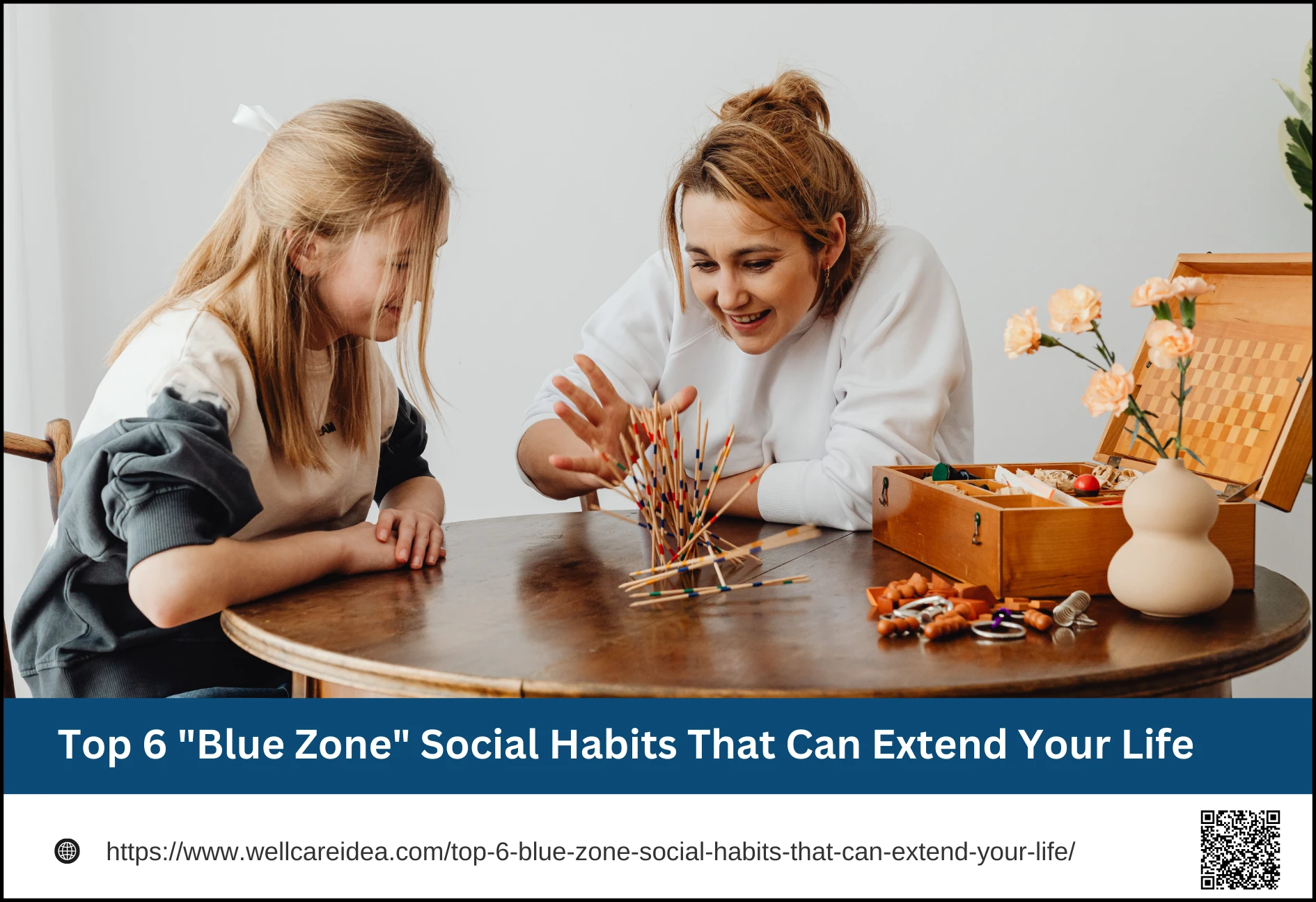
Shared, unhurried social time is the glue of Blue Zone life. In Ikaria and Nicoya, daily meals are often communal events with family and friends, and the calendar is punctuated by regular festivals and religious ceremonies. These are not rushed obligations but prioritized occasions for laughter, storytelling, and bonding. This consistent rhythm of positive interaction reinforces social bonds and provides reliable emotional sustenance. The biological impact of such positive gatherings is profound. They help regulate stress hormones and can stimulate the release of oxytocin, a hormone that promotes bonding and reduces stress 3 Regularly dining with others also tends to encourage healthier eating patterns and slower, more mindful consumption. You can integrate this habit by committing to at least one device-free meal shared with others each week. Create your own simple rituals, like a monthly potluck with friends, a weekly walking group, or celebrating small seasonal milestones. The key is consistency and presence, transforming casual contact into meaningful connection.
4. Having a Defined Life Purpose (“Ikigai/Plan de Vida”)
In Okinawa, the concept of “ikigai” (reason for waking up in the morning) is central to life. Similarly, in Nicoya, it is known as “plan de vida.” This is more than a job; it is a deeply held sense of purpose that often involves contribution to family or community. Knowing your role and value provides a powerful buffer against stress and a compelling reason to stay active and healthy. Research shows that having a strong sense of purpose is linked to better health outcomes and longer life 4 It provides psychological resilience, which in turn can protect physical health. Purpose is socially reinforced in Blue Zones; your “ikigai” is recognized and valued by those around you. To cultivate yours, reflect on what brings you joy, what you are good at, and what your community needs. Purpose can be found in volunteering, caregiving, creative pursuits, or mastering and teaching a craft. Start small by dedicating a few hours each week to an activity that feels meaningful and connects you to others.
5. Strong Friendship Circles (“Moai”)
Perhaps one of the most famous Blue Zone traditions is the Okinawan “moai.” This is a lifelong circle of friends that forms in childhood to provide mutual social, emotional, and even financial support. These friends journey through life together, sharing burdens and celebrations, creating an unparalleled safety net. The power of such close-knit friendship circles is immense. Studies indicate that having between five to eight close relationships is a key predictor of longevity and well-being 5 These bonds provide practical help, reduce the perception of stress, and increase feelings of security and happiness. To build your own modern “moai,” focus on deepening a handful of existing friendships through regular, intentional contact. Invest time in being a trustworthy confidant. You can also form a new support pod around a common goal, such as a fitness challenge, a study group, or a shared creative project, with a commitment to supporting each other beyond the immediate activity.
6. Faith-Based or Spiritual Social Participation
In Blue Zones like Loma Linda, regular participation in a faith community is nearly universal. Whether it’s the Seventh-day Adventist church in California or the Orthodox Christian services in Ikaria, the common thread is belonging to a spiritually oriented community that meets consistently. This practice provides a structured time for reflection, a connection to something larger than oneself, and, crucially, a built-in social network with shared values. The health benefits are significant. Research from Harvard T.H. Chan School of Public Health has found that regular attendance at religious services is associated with a significantly lower risk of premature death, including from “deaths of despair” like suicide and overdose 6 The benefits appear to stem from the combined effects of reduced stress, increased hope, and the social support the community provides. For those who are not religious, similar benefits can be found by joining other groups that foster community, reflection, and shared purpose, such as meditation groups, philosophical societies, or nature conservation clubs.
Supporting Science: Why Social Interaction Extends Life
The longevity observed in Blue Zones is not a mysterious fluke; it is increasingly explained by cutting-edge science. Social connection directly influences our biology. Research shows that strong, positive relationships are associated with lower levels of chronic inflammation 1 a key driver of almost every major age-related disease. They also promote better immune function. A 2025 study found that adults with more close friends and higher-quality family relationships showed signs of a younger, more robust immune system, specifically in their T-cell profiles. Conversely, loneliness has been linked to specific proteins in the blood that are associated with higher cholesterol, cardiovascular disease, and an increased risk of early death. Furthermore, the mental health benefits are clear, with strong social ties dramatically lowering the risk of depression and anxiety. The cumulative effect translates to a substantial increase in life expectancy, with one study finding that older adults with high social engagement have a 42% lower mortality risk than their less-connected peers.
How to Apply These Habits in Modern Life
Integrating Blue Zone wisdom into a busy, modern lifestyle is about intention, not geography. The goal is to move from isolation to intentional connection. You can start with small, realistic steps tailored to your personality. If you’re outgoing, you might join a club or volunteer. If you’re more introverted, focus on deepening one-on-one relationships or connecting through shared activities like art or music classes, which are powerful tools for building authentic connection. Advocate for and support city-friendly adaptations in your community, such as accessible public spaces, community gardens, and libraries that host intergenerational programs. View building social wellness with the same importance you give to diet and exercise.
Conclusion
The extraordinary lesson from the world’s Blue Zones is that longevity is a team sport. A long, healthy life is built on a foundation of strong, enduring relationships, a clear sense of purpose, and daily rituals of connection. While nutritious food and regular movement are vital, the missing link for many is the profound power of emotional connection and community. As science continues to reveal how our social bonds shape our very biology, the call to action is clear: invest in your relationships. Nurture your community. In doing so, you are not just enriching your life today—you are building the foundation for a longer, healthier, and more fulfilling tomorrow.