
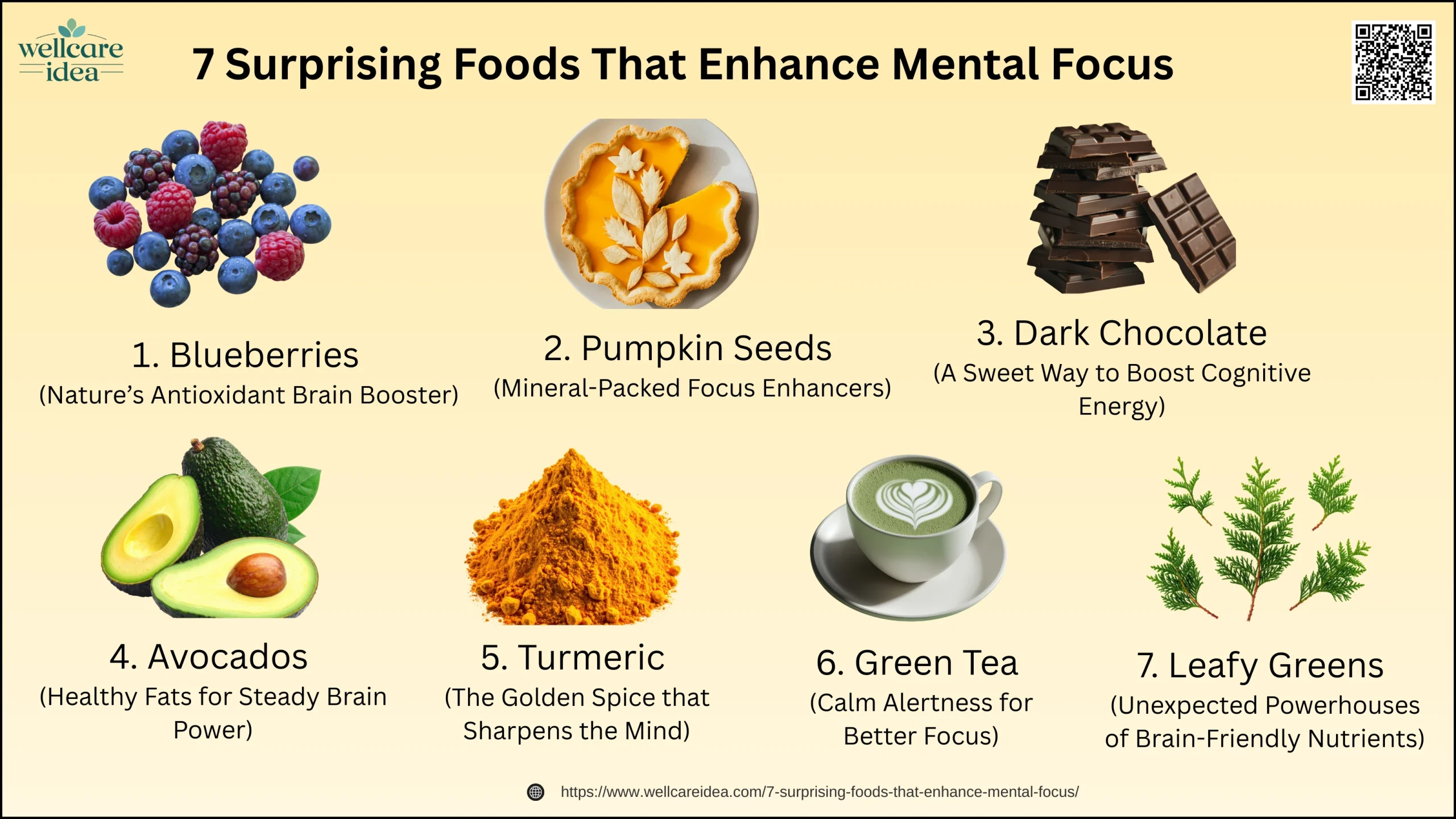
Why Nutrition Matters for Mental Focus
We often hear that “you are what you eat,” but this saying holds particular truth when it comes to brain function. Emerging research continues to reveal the profound connection between our dietary choices and cognitive performance, including aspects like mental clarity, focus, and productivity. While most people immediately think of coffee or nuts when considering brain-boosting foods, numerous lesser-known dietary options can significantly enhance cognitive function. Nutritionists emphasize that following a healthy dietary pattern rich in fruits, vegetables, legumes, and whole grains is among the most effective strategies for supporting brain health 1 The foods we consume provide essential building blocks that influence neurotransmitter function, reduce inflammation, protect against oxidative stress, and promote healthy blood flow to the brain—all critical factors for maintaining optimal mental focus. This article will explore seven surprising foods that extend beyond the usual suspects, each offering unique scientifically-supported benefits for enhancing concentration and supporting long-term cognitive vitality.
1. Blueberries – Nature’s Antioxidant Brain Booster
Despite their small size, blueberries pack a substantial cognitive punch thanks to their rich concentration of antioxidants, particularly flavonoids. These natural plant pigments are responsible for giving berries their brilliant hues and have been demonstrated to significantly improve memory function 2 The antioxidants in blueberries work primarily by reducing oxidative stress in the brain, which occurs when harmful free radicals accumulate and damage cells. This protective effect is crucial for maintaining cognitive function as we age. Research conducted by Harvard’s Brigham and Women’s Hospital found that women who consumed two or more servings of strawberries and blueberries each week delayed memory decline by up to two-and-a-half years 3 Beyond their memory-preserving properties, the flavonoids in blueberries also improve blood flow to the brain, enhancing concentration and learning capabilities. Incorporating these powerful berries into your daily diet can be as simple as adding them to morning cereal or yogurt, blending them into smoothies, mixing them into salads for a sweet contrast, or enjoying them frozen as a refreshing snack. Regular consumption of blueberries represents one of the most delicious ways to support both immediate focus and long-term brain health.
2. Pumpkin Seeds – Mineral-Packed Focus Enhancers
Often overlooked in discussions of brain health, pumpkin seeds are veritable powerhouses of essential minerals that play crucial roles in cognitive function. These small but mighty seeds contain impressive concentrations of magnesium, zinc, and iron—three minerals that significantly influence neurotransmitter activity and mental sharpness. Magnesium plays a vital role in nerve transmission and has been linked to reduced risk of cognitive decline 4 while zinc is critically important for nerve signaling and has been found in high concentrations in the brain’s memory center 5 Similarly, iron deficiency has been associated with impaired cognitive function, brain fog, and decreased attention span, making adequate intake essential for maintaining mental clarity 6 The mineral content in pumpkin seeds supports the nervous system by facilitating communication between brain cells and helping to regulate neurotransmitter pathways that are essential for maintaining focus. An easy way to incorporate pumpkin seeds into your diet is to sprinkle them on salads, blend them into smoothies, mix them into oatmeal or yogurt, or simply enjoy a handful as a snack. For optimal nutrient absorption, consider soaking them overnight. Their portability and versatility make pumpkin seeds an convenient focus-enhancing food that can be easily included in your daily routine.
3. Dark Chocolate – A Sweet Way to Boost Cognitive Energy
For those with a sweet tooth seeking enhanced mental focus, dark chocolate offers a delicious solution with scientifically-backed cognitive benefits. The primary brain-boosting compounds in dark chocolate are flavanols, which have been shown to improve blood flow to the brain, thereby enhancing memory and focus 7 These flavanols act as antioxidants and anti-inflammatory agents, protecting brain cells from damage and supporting overall cognitive function. Additionally, dark chocolate contains a combination of caffeine and theobromine, two natural compounds that provide a mild, sustained energy boost without the jittery effects often associated with coffee consumption. This unique combination of compounds makes dark chocolate particularly effective for providing both immediate and long-term cognitive support. When selecting dark chocolate for brain health, choose varieties with at least 85% cocoa content to maximize flavanol levels while minimizing added sugars 8 You can incorporate dark chocolate into your diet by grating it over oatmeal or yogurt, enjoying a small square as an afternoon pick-me-up, or using cocoa powder in smoothies. Moderation is key, as dark chocolate remains calorie-dense, but when consumed in appropriate amounts, it represents one of the most enjoyable ways to support cognitive energy and focus.
4. Avocados – Healthy Fats for Steady Brain Power
Avocados have emerged as an exceptional food for brain health, primarily due to their rich content of monounsaturated fats. These healthy fats contribute to healthy blood flow by supporting flexible, clear arteries, which is essential for delivering oxygen and nutrients to the brain 9 Unlike refined carbohydrates that can cause energy spikes and crashes that disrupt concentration, the fats in avocados provide a steady energy source that supports sustained mental focus throughout the day. Additionally, avocados contain an array of other brain-supportive nutrients, including potassium (which supports nerve function), vitamin K (linked to improved cognitive function), and folate (essential for neurotransmitter synthesis) 10 As a terrestrial source of omega-3 fatty acids, avocados also offer an alternative for those who don’t consume fish 11 The creamy texture and mild flavor of avocados make them remarkably versatile in the kitchen. You can add them to smoothies for a creamy consistency, spread mashed avocado on whole-grain toast, cube them into salads, or use them as a healthy replacement for mayonnaise in sandwiches. Incorporating even a quarter to half an avocado daily can contribute to the steady brain power needed for prolonged concentration and mental tasks.
5. Turmeric – The Golden Spice that Sharpens the Mind
Turmeric, the vibrant golden spice commonly used in curry dishes, contains a powerful active compound called curcumin that offers significant neuroprotective benefits. Curcumin is renowned for its potent anti-inflammatory and antioxidant properties, which help protect the brain against oxidative damage and reduce inflammation that can contribute to cognitive decline 12 Chronic inflammation has been identified as a contributing factor in many neurodegenerative conditions, making turmeric’s anti-inflammatory effects particularly valuable for long-term brain health. Research suggests that curcumin can cross the blood-brain barrier, allowing it to exert direct protective effects on brain cells and potentially improve memory, mood, and concentration 13 To enhance the absorption of curcumin, it’s beneficial to consume turmeric with black pepper, which contains piperine, a compound that significantly increases bioavailability 14 Practical ways to incorporate turmeric into your daily routine include adding it to soups, stews, and scrambled eggs, mixing it into salad dressings, brewing turmeric tea, or using it to season roasted vegetables. Some people also enjoy turmeric in golden milk lattes. Regular consumption of this golden spice represents an ancient approach to modern cognitive challenges, offering both immediate and cumulative benefits for brain function.
6. Green Tea – Calm Alertness for Better Focus
Green tea offers a unique approach to enhanced mental focus through its synergistic combination of L-theanine and caffeine. Unlike coffee, which can sometimes produce jittery energy, green tea provides what many describe as “calm alertness”—a state of focused relaxation that is ideal for sustained concentration. The amino acid L-theanine promotes the production of alpha brain waves, which are associated with a state of wakeful relaxation, while also increasing levels of GABA, a neurotransmitter that helps reduce anxiety 15 When combined with the moderate caffeine content in green tea, L-theanine helps smooth the stimulant effects, resulting in improved attention without nervousness. This balanced combination not only enhances immediate focus but also supports long-term brain health through green tea’s rich concentration of antioxidants called polyphenols, which protect brain cells from damage 16 For optimal benefits, consider drinking green tea during mid-morning or early afternoon when mental energy typically dips, and steep it for 2-3 minutes at temperatures around 160-180°F to maximize L-theanine extraction without excessive bitterness. Beyond its consumption as a beverage, green tea can be used as a liquid base for smoothies, oatmeal, or soups. Making green tea a regular part of your routine provides a sustainable approach to mental clarity that supports both immediate focus and long-term cognitive health.
7. Leafy Greens – Unexpected Powerhouses of Brain-Friendly Nutrients
While most people recognize leafy green vegetables as generally healthy, few appreciate their remarkable capacity to enhance mental focus and protect against cognitive decline. These verdant vegetables, including spinach, kale, collards, and broccoli, are rich in a powerful combination of brain-healthy nutrients like vitamin K, lutein, folate, and beta carotene 17 Research from Rush University indicates that consuming approximately one serving of leafy greens daily may significantly slow cognitive decline, with study participants who ate these vegetables showing brains that appeared 11 years younger than those who consumed little or none 17 The specific nutrients in leafy greens contribute to brain health in multiple ways: vitamin K helps regulate brain cell metabolism, lutein accumulates in brain tissue and is linked to better cognition, folate supports neurotransmitter function, and beta carotene acts as a powerful antioxidant 10 The USDA recommends two to three cups of vegetables per day for adults, and because greens aren’t very dense, it takes about two cups of raw greens to make the nutritional equivalent of a one-cup serving of vegetables 18 You can easily incorporate more leafy greens into your diet by adding spinach to smoothies, sautéing kale with garlic as a side dish, creating nutrient-dense salads with mixed greens, or layering greens into sandwiches and wraps. As research continues to validate their cognitive benefits, leafy greens truly deserve their status as unexpected powerhouses for brain health.
Putting It All Together
The connection between diet and cognitive function is undeniable, and incorporating these seven surprising foods into your weekly routine can significantly enhance both immediate mental focus and long-term brain health. From the antioxidant-rich blueberries and mineral-packed pumpkin seeds to the healthy fats in avocados and the neuroprotective compounds in turmeric, each food offers unique benefits that extend beyond general nutrition. The flavanol-rich dark chocolate, calming yet alerting green tea, and nutrient-dense leafy greens further complete this arsenal of cognitive-enhancing foods that go far beyond the usual suspects like coffee or standard nuts.
While individual foods provide specific benefits, the greatest cognitive advantages come from consistently following a healthy dietary pattern that includes a variety of brain-supportive nutrients 1 You don’t need to completely overhaul your eating habits overnight—start by selecting two or three of these foods that appeal to your taste preferences and find simple ways to incorporate them into your meals and snacks. Remember that these nutritional approaches work best when combined with other healthy lifestyle habits, including proper hydration, quality sleep, regular physical activity, and stress management techniques 19 By making these foods a regular part of your overall approach to wellness, you can support your cognitive health today while investing in your brain’s vitality for years to come, proving that the path to better focus truly does begin on your plate.